Is Uzbekistan Cheap Or Expensive?
Uzbekistan is cheap by Western standards: daily budgets run $25-50 for budget travel and $60-120 mid-range, while multi-day private packages run from $632. Here is what each tier actually buys.
Is Uzbekistan Cheap Or Expensive?
Uzbekistan is cheap by almost any Western yardstick, with a real floor that surprises people: budget travelers report spending $25 to $50 a day, mid-range travelers $60 to $120, and even private, guide-led multi-day packages start at $632 per person for six days. The expensive version of the country exists too, and it is built almost entirely from private guides, premium hotels and long itineraries. Where you land between those poles is a set of choices, not a fixed price tag.
The short version: if you eat where locals eat, sleep in guesthouses and ride the trains, Uzbekistan costs less than a weekend in most European cities. If you book a private vehicle, a licensed guide for every city and four-star hotels, you will spend like you would on a mid-range trip to Turkey or Morocco, sometimes more. Neither version is wrong. What matters is knowing which levers move the bill, because the gap between the cheapest and most comfortable versions of the same route is enormous.
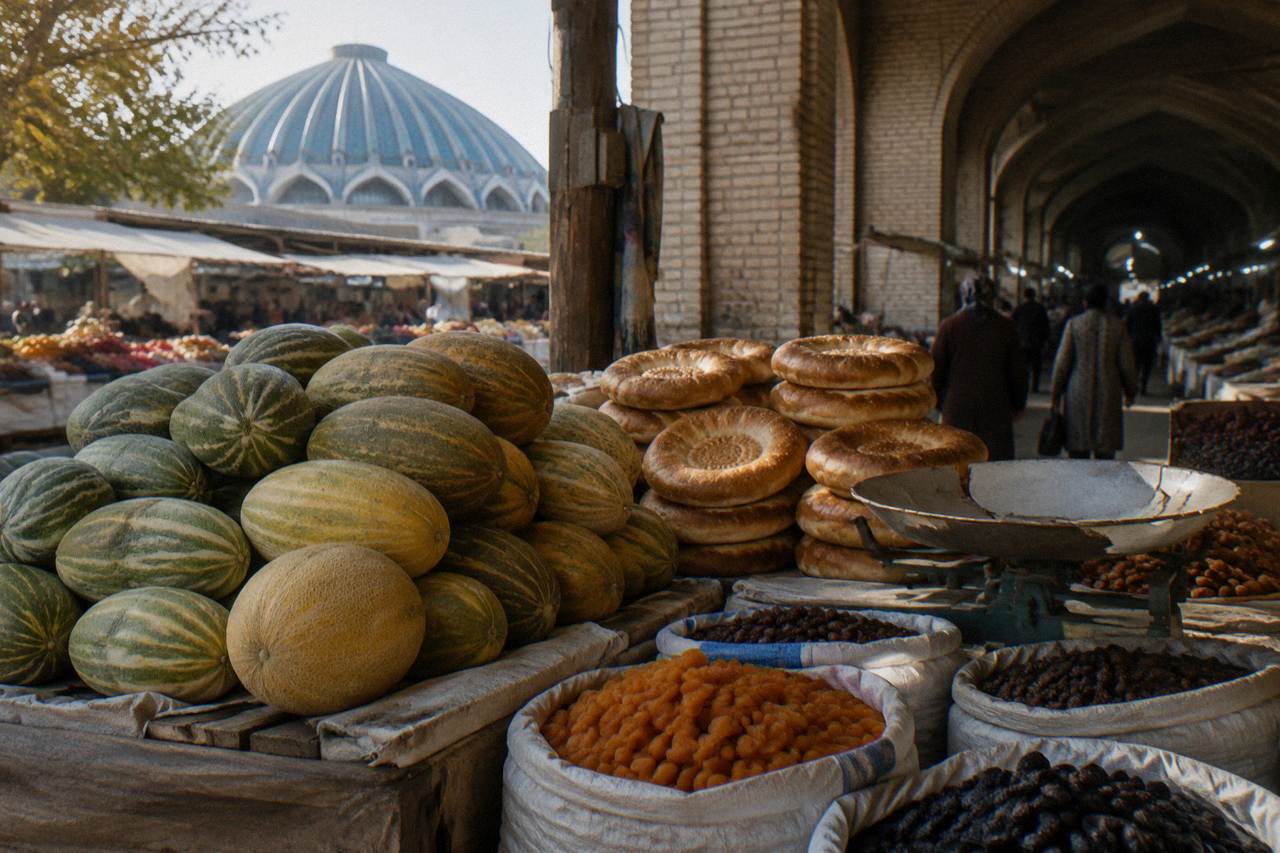
The exchange rate does a lot of quiet work here. The Central Bank rate has hovered around 11,900 som per US dollar, which means a 100,000-som entry ticket feels like a big number in local currency and reads as roughly eight dollars in yours. That psychological gap is why travelers consistently report the country feeling cheaper than they expected even after reading budget guides. Prices are quoted in som at the door, and the mental arithmetic always works in your favor.
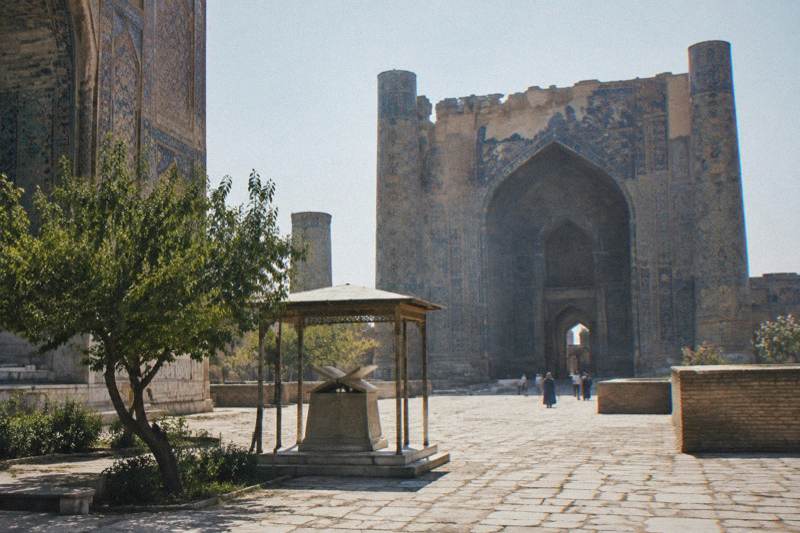
The other structural reason the country stays affordable is that the headline sights, the Registan, the Ark, Itchan Kala, charge entry fees in the single-digit to low-double-digit dollar range, not the thirty-to-fifty-dollar range of Western European monuments (see Khiva Tour Guide). Sightseeing, usually the fastest way to burn a budget, is cheap here. Food and private transport are where the tiers separate.
For readers who want the comfort of a private guide without paying premium prices, the roster's floor is instructive: the budget six-day private tour from Tashkent starts at $632 per person, covers the classic cities, and carries free cancellation. That is the number to beat if you are deciding between booking a package and arranging everything yourself.
Is Uzbekistan Cheap Or Expensive For Tourists?
For tourists specifically, Uzbekistan is cheap on the ground but the answer bends with travel style: a budget tourist can hold $25-50 a day, a mid-range tourist $60-120, and sightseeing fees run about $5-12 at the biggest monuments. Guided touring pushes the number up fast, since a licensed private guide runs from about $70 for a full day, often per group rather than per person. So the country is cheap, and the tourism layer around it is moderately priced.
The budget tiers that circulate among travelers and operators are consistent, and they exclude international flights, which is the honest way to compare a destination. A budget of $25 to $50 a day buys a basic guesthouse or hostel bed, local meals and street food, shared or public transport between cities, and paid entry at the main sights. It is a real tier, not a stunt budget: plenty of travelers report doing exactly this and eating well.
| Tier | Daily budget per person | What it typically buys |
|---|---|---|
| Budget | $25 to $50 | Basic guesthouse or hostel, local meals and street food, shared or public transport, main entry fees |
| Mid-range | $60 to $120 | Three-star or boutique guesthouse, a mix of restaurants, taxis and trains, paid attractions |
| High or luxury | $180 and up | Four and five-star hotels, fine dining, private transfers and guides, premium experiences |
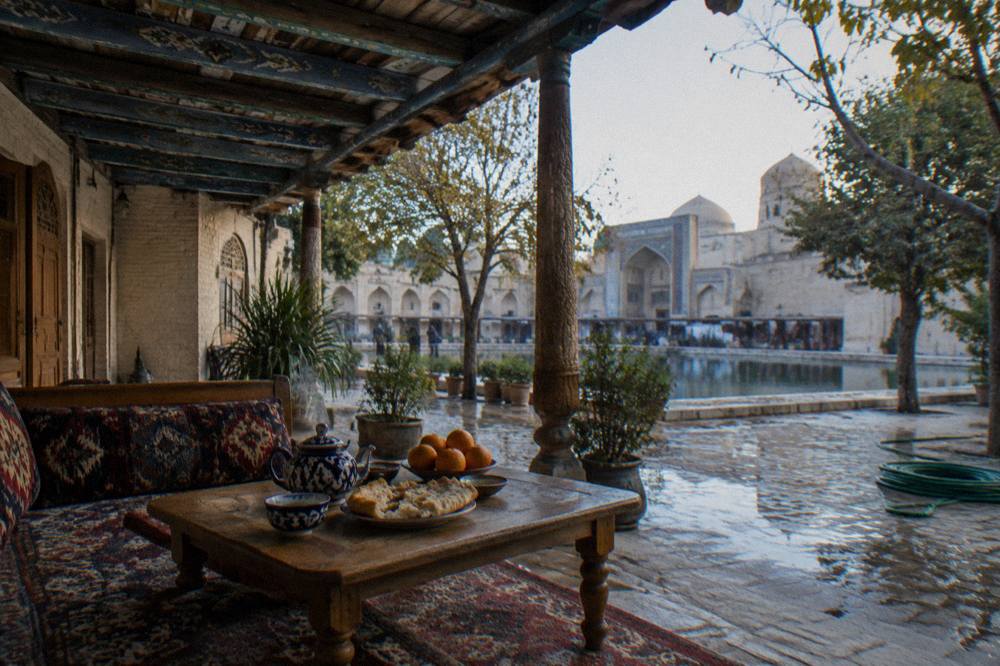
Mid-range is where most readers of a site like this one will land. A comfortable double room in a well-located boutique guesthouse, two restaurant meals, train tickets between cities and every monument entry still fits inside $120 on most days. The mid-range traveler also has room for the small paid experiences that define a trip here: a bread-making class from $21, a woodcarving masterclass from $20, a plov cooking class in a village outside Samarkand from $59.
The luxury tier exists, and it is mostly a services tier rather than an entry-fee tier. The monuments cost the same no matter where you sleep. What $180-plus a day buys is space, privacy, a car and driver, and a guide who stays with you rather than meeting you for a few hours. Private guides are the biggest single line item: licensed English-speaking city guides typically start from about $70 for a full day, half-days from about $45, and rates are often per group, so a party of four splits that cost four ways.
There is one more expense category tourists ask about and should not skip: tips. Tipping is not deeply traditional but is increasingly expected in tourist areas. The working norms reported by operators and travelers are 5 to 10 percent in restaurants when no service charge is on the bill, and $10 to $20 a day for a private guide or driver who has done well. On a six-day private tour, that is a real $60 to $120 that belongs in the budget from the start.
One cost that used to worry Americans, the visa, has disappeared. US citizens may enter visa-free for up to 30 days from January 1, 2026, per the official government tourism announcement, and hotels register you automatically, so there is no fee or paperwork line item to plan around. Check the current entry rules before you book, as with any destination.
Where does a package fit into all this? A three-day private tour covering Tashkent, Bukhara and Samarkand by bullet train starts at $505 per person with meals listed, and the Check availability link shows the live price for your dates. Against a mid-range independent budget of $60-120 a day, that package is priced to save you planning time rather than money, and for a short trip the difference is small.
Is Tashkent Cheap Or Expensive?
Tashkent is the most expensive city in Uzbekistan and still cheap by capital-city standards: a half-day classic city tour costs from $16 per person, a full-day version from $77, and a guided food or walking tour from $19. Day-to-day costs sit below Samarkand's tourist strip, because Tashkent serves a large local population, not only visitors.
The capital's pricing has a two-layer quality. The Metro, shared taxis and neighborhood cafeterias are priced for locals and cost very little, while hotel dining, mall restaurants and rides around the tourist core drift upward. A traveler who uses the Metro and eats at a chaikhana-style canteen will find Tashkent the cheapest big city they have visited in years. A traveler who orders hotel breakfast and takes unmetered taxis everywhere will wonder what everyone means by cheap.
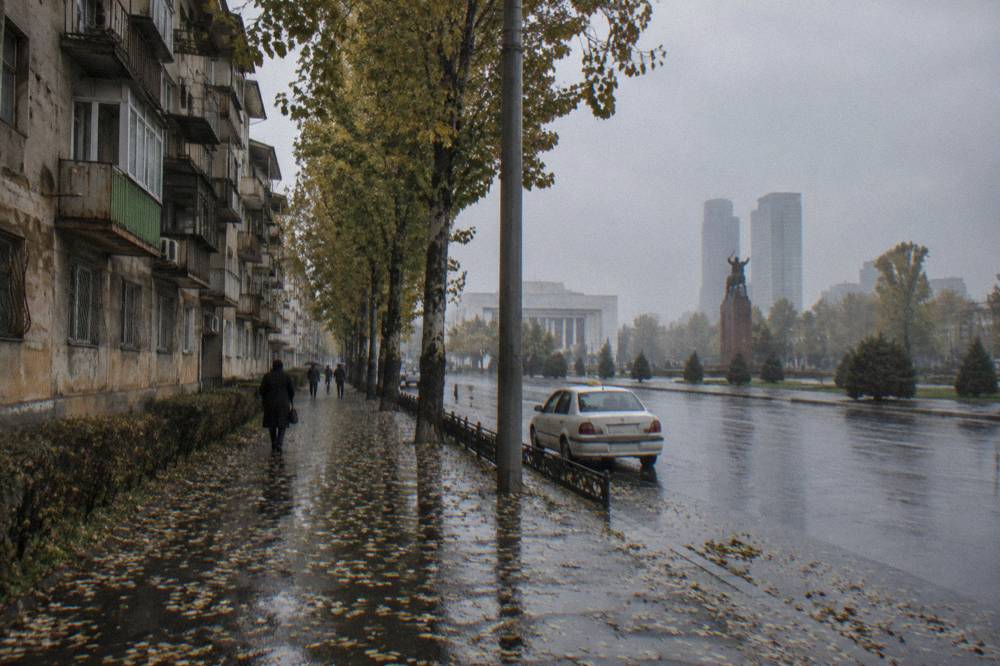
City tours show the spread clearly. The half-day classic tour runs from $16 and holds a 4.8 rating from 115 reviews. The full-day Tashkent city tour runs from $77 per person, price varying by group size, with a 5.0 rating from 100 reviews. The guided walking or food tour with a local guide runs from $19 with a 4.9 rating from 273 reviews. In other words, a full day of guided sightseeing in the capital costs about what a single museum ticket costs in London or New York.
The mountains change the math again. A full-day trip to Amirsoy, Chimgan and Charvak runs from $45 per person in one version, from $69 in another with a 4.9 rating from 431 reviews. Add lunch at a mountain restaurant and a cable car fare if it is running, and the day still rarely cracks $100 per person. For a capital city with a modern ski infrastructure an hour away, that is genuinely inexpensive by any regional comparison.
Accommodation is where Tashkent outpaces the other cities. Hotel inventory skews business and government, and central business hotels price accordingly. The workaround is straightforward: the boutique and guesthouse sector has grown fast, and staying a Metro stop or two from the core cuts the room rate substantially while keeping every sight within a ten-minute ride.
What Do The Famous Monuments Actually Cost To Enter?
The headline sights are the cheapest part of a Uzbekistan trip: the Registan runs about $6-8 for the ensemble, the Bukhara Ark about $5, and Khiva's Itchan Kala combined ticket about $11.50 standard or $18.50-19 for the fuller two-day version. Monument fees are the least of a traveler's worries, though they rise regularly, so treat every figure as approximate and check on site.
These are the numbers that surprise people who have priced European sights. A full day of monument-hopping in Samarkand, entry to the Registan ensemble plus a couple of mausoleums, costs less than a sandwich and a coffee in Zurich. Khiva is the priciest of the three because Itchan Kala works on a combined-ticket model, but even the fuller ticket, valid for two days and including select interiors and minarets, stays under twenty dollars.
| Monument | Approximate entry cost (foreign adults) | Notes |
|---|---|---|
| Registan ensemble, Samarkand | about $6 to $8 | Individual monument tickets; recent increases noted |
| Ark fortress, Bukhara | about $5 | Museum-reserve tariff; many old-town areas free |
| Itchan Kala, Khiva, standard ticket | about $11.50 | Combined ticket for the walled city |
| Itchan Kala, fuller ticket | about $18.50 to $19 | Includes select interiors and minarets, valid two days |
Bukhara charges many sites individually rather than through one pass, and much of the old town, the pools, the trading domes, the lanes themselves, is free to wander. No single combined ticket covers everything across cities, so budget a rough per-city allowance rather than hunting a national pass. Ten to fifteen dollars a day covers entries comfortably in any of the three tourist cities.
Two practical notes. First, tickets are often payable in som on site, so carry cash, since cards are not reliably accepted at monument ticket windows. Second, prices at these sites have risen repeatedly in recent years, and the figures above are planning ranges, not promises. The pattern of increases is itself a reason to treat any budget article's fee numbers, including this one's, as approximate.
City walking tours compound the value. The Samarkand historical monuments walking tour, the most reviewed product on this site's roster at 4.9 from 1,104 reviews, runs from $15 per person, and Check availability shows current dates. For roughly the price of a Registan ticket, a licensed guide walks you through the monuments and the stories behind them.
How Do Package Prices Compare To Independent Travel?
Roster packages span $632 to $1,600 per person for six to eleven days, which means a private, guided, multi-day tour can cost less per day than a mid-range independent budget of $60-120 once you count every entry, train and meal. The sticker totals look large next to a daily budget, but the comparison only becomes fair when you divide each package across its own length and remember what the price bundles.
The comparison only works if you compare the right things. An independent traveler's $60-120 a day includes accommodation, food, transport and entries. A package price usually includes accommodation, intercity transport, guiding and entries, but meals vary by listing and international flights are never included. Add the cost of meals on top of a package and the gap with independent travel narrows to almost nothing at the budget end, and widens dramatically at the premium end.
| Package | Days | From price per person | Rating |
|---|---|---|---|
| Budget 6-Day Private From Tashkent | 6 | $632 | 10 reviews |
| 3-Day Private, Bullet Train | 3 | $505 | 4.7 from 29 reviews |
| 6-Day Private, Meals Included | 6 | $800 | 4.9 from 48 reviews |
| 8-Day Private Train Tour, Meals | 8 | $1,035 | 4.7 from 40 reviews |
| 7-Day Private, Premium Fare | 7 | $1,450 | 14 reviews |
| 11-Day Magical Cities, Meals | 11 | $1,600 | 10 reviews |
The pattern in the table is worth pausing on. Longer packages are not automatically more expensive for what they cover; the eight-day tour from $1,035 spreads the same corridor across more nights than the three-day tour from $505 does. What drives the price up is premium positioning, not length. The $1,450 seven-day tour and the $1,035 eight-day tour cover overlapping ground, and the difference is the tier of the operation, not the map.
Private listings on the roster mostly carry the note that price varies by group size, and that matters more here than in most destinations. A private tour priced for two travelers can drop sharply per person when a party of four or six splits it, because the fixed costs, the vehicle, the guide, the driver, divide across more people. A family or friend group of four comparing a $632 six-day private tour against four independent mid-range budgets will often find the private tour cheaper per head, not just easier.
What the package buyer is really purchasing is the removal of the tasks that eat a Silk Road trip: booking Afrosiyob tickets 30 to 45 days out on the railway's e-ticket site, where international cards work with varying success, arranging the Khiva leg around a train that runs only a few days a week, and negotiating every transfer. The official railway ticketing site works, but it is a task, and tasks are what packages are for.
Where Does The Money Go Wrong? Five Common Overspends
The expensive version of Uzbekistan is almost always built from five avoidable choices: unmetered taxis, hotel dining, souvenir traps in the old towns, last-minute train bookings through resellers, and tipping inflation that drifts far past local norms of $10-20 a day for a private guide. Each one is avoidable with a small amount of planning, and together they can double an otherwise modest budget without adding a single memorable experience to the trip.
Taxis first. Traveler reports consistently flag overcharging on non-app taxis, especially around airports and the old-city cores. Ride-hailing apps fixed this problem years ago in Tashkent and now operate in the tourist cities too. The rule is simple: use the app where it works, agree a fare before getting in where it does not, and never accept the first figure offered at a station rank.
Hotel dining is the quiet one. A breakfast included with the room is standard in the package tier, but dinner at the hotel restaurant routinely costs two to three times what the same national dishes cost at a restaurant two streets away, and the food is often worse. The old towns of Bukhara and Samarkand are dense with excellent small restaurants within a ten-minute walk of every hotel.
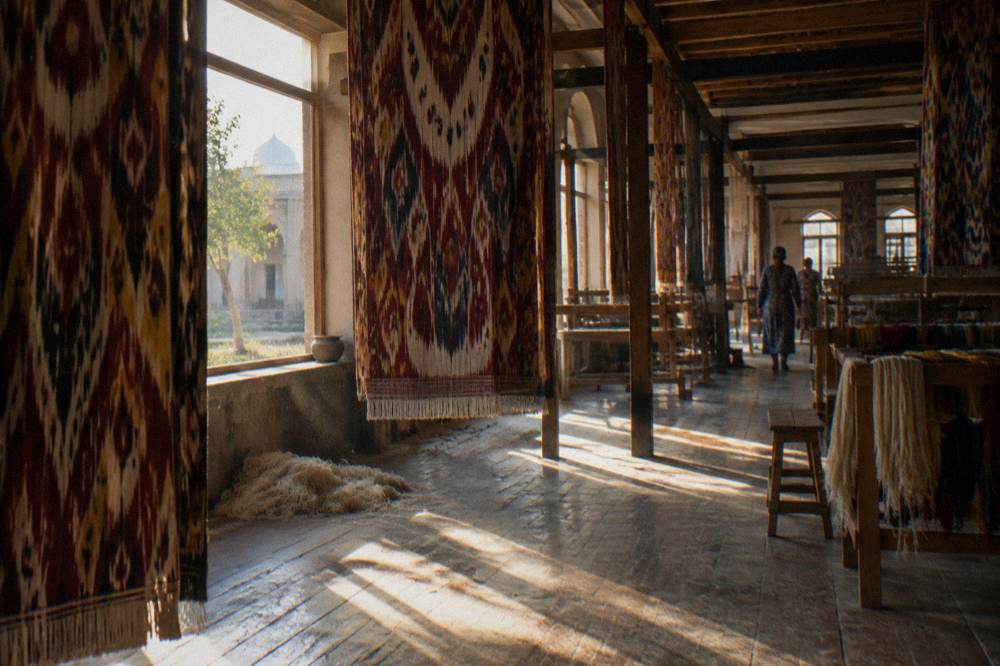
Souvenirs deserve honesty: this is a country of real crafts, silk carpets, suzani embroidery, woodcarving, and real prices for them. A hand-woven silk carpet is expensive everywhere on earth, and haggling in Bukhara's domes will not make it cheap. What travelers complain about is not the craft pricing but the commission-driven shopping stops some low-quality guides insert into tours. Booking guides and tours with strong review pools, which the roster makes easy to check, is the practical defense.
Train tickets are the fourth. Booking opens about 30 to 45 days ahead on the official site, and popular Afrosiyob departures in the April-May and September-October peaks do sell out. The expensive mistake is buying through resellers at a markup because the direct site felt opaque. Budget thirty minutes with the official e-ticket portal instead, or let a package operator handle the rail seats, which most roster multi-day tours do.
Finally, cash. Cards work at mid and upper hotels, supermarkets, malls and many tourist restaurants in the big four cities, but guesthouses, bazaars, small eateries, taxis and monument ticket windows want som in hand. ATMs in main cities and airports dispense local currency, commonly with withdrawal limits around $200-400 equivalent and fees of 1 to 3 percent. The costly mistake is exchanging at the airport's worst rate or pulling tiny amounts repeatedly; the cheap habit is one or two larger withdrawals at a major bank ATM and a small reserve of clean US bills as backup.
When Does Uzbekistan Get Expensive?
Uzbekistan gets expensive during the April-May and September-October peaks, when hotel rates and tour prices rise, and it gets expensive again at the private-guided luxury tier, where daily spending of $180-plus is easy to reach. In short, the costliest times to visit are the two peak seasons and the luxury end of the market. Summer heat suppresses demand enough that discounts appear, and winter is the cheapest and quietest season, with cold nights as the trade-off for the lowest prices of the year.
The seasonal effect is real but moderate by European standards. Spring and autumn are the peaks because the climate is continental: summers regularly exceed 35 to 40 degrees Celsius in the south and west, and winters bring freezing nights inland. Crowds and prices at the major Silk Road sites are highest in the two shoulder windows, and travelers chasing value sometimes split the difference, aiming for late March or late October, accepting cooler evenings for lower rates and thinner crowds at the Registan.
The luxury tier is the other answer, and it is a choice rather than a trap. Four and five-star hotels, fine dining and a dedicated private vehicle with a guide who never leaves your side will carry a day past $180 without difficulty. What keeps that tier honest is that the monuments charge everyone the same modest fees. The $250-a-day traveler and the $40-a-day backpacker stand in the same courtyard looking at the same tiles, and pay about the same $6-8 for the privilege.
Group versus private is the last pricing fork, and it interacts with season. Private tours dominate the roster here, and their prices fall per person as group size rises, while small-group city walks, a Bukhara old-town walk from $15, a Khiva bread class from $20, stay flat. The expensive weeks of the year are therefore cheapest to survive by mixing formats: a private core itinerary with cheap small-group experiences bolted on in each city.
For readers weighing all of this against a single number, this Uzbekistan Tour Packages guide series exists precisely because the answer is comparative rather than absolute. A related piece, how much a trip to Uzbekistan costs, breaks the total trip budget down by length of stay, and the seven, ten and fourteen day cost guide does the same across the three classic itinerary lengths.
Common Questions About Costs In Uzbekistan
Is Uzbekistan Cheap Or Expensive?
Uzbekistan is cheap by Western standards. Budget travelers report $25-50 a day, mid-range travelers $60-120, and entry fees at the biggest monuments run about $5-12. The expensive version of the country comes from private guides, premium hotels and peak-season travel, not from any structural high cost.
is uzbekistan cheap or expensive for tourists?
For tourists it is cheap on the ground: monument entries cost about $5-12, city walking tours run from $15, and a licensed private guide starts around $70 a day, often per group. A mid-range tourist budget of $60-120 a day covers boutique guesthouses, restaurant meals, trains and all entries comfortably.
is tashkent cheap or expensive?
Tashkent is the country's most expensive city and still cheap by capital-city standards. A half-day classic city tour runs from $16, a full-day version from $77, and the Metro and local cafeterias are priced for locals. The Metro plus app taxis plus neighborhood eateries make it one of the most affordable capitals on the Silk Road.
How much does a multi-day tour package cost?
Private multi-day packages on the current roster run from $632 per person for six days to $1,600 for eleven days. Most private listings note that price varies by group size, and larger parties often see the per-person price fall.
Is Uzbekistan cheaper than its Central Asian neighbors?
Uzbekistan is generally considered affordable for the region, with a well-developed tourist infrastructure of guesthouses, trains and guided tours at low prices. Direct comparisons depend on your route and travel style., but the combination of cheap rail travel and low entry fees keeps a classic Uzbek itinerary among the better value Silk Road trips.
Do I need cash, or can I pay by card?
Carry cash. Visa and Mastercard work at mid and upper hotels, supermarkets, malls and many tourist restaurants in Tashkent, Samarkand, Bukhara and Khiva, but guesthouses, bazaars, small eateries, taxis and monument ticket windows require or prefer Uzbek som. ATMs in main cities dispense som, typically with withdrawal limits around $200-400 equivalent and 1-3 percent fees.