Is A Yurt Night In The Kyzylkum Desert Worth It?
An honest look at whether a night in a Kyzylkum Desert yurt camp deserves a place on your Uzbekistan itinerary, who it suits, what it costs, and how it fits the classic Silk Road route.
Is A Yurt Night In The Kyzylkum Desert Worth It?
Yes, if you want stars, silence and a slice of nomadic life enough to accept a firm bed, shared bathrooms and several hours of driving, and no, if your priority is comfort, because none of the 35 multi day and day tour listings on this site is confirmed to include a yurt night, so it is always an add-on to weigh rather than a package feature to assume. That single framing changes the whole decision. A yurt night is not something you get by default on the classic Tashkent, Samarkand, Bukhara and Khiva circuit. It is a detour, usually toward the Aydarkul Lake area near Nurata, and you have to want it.
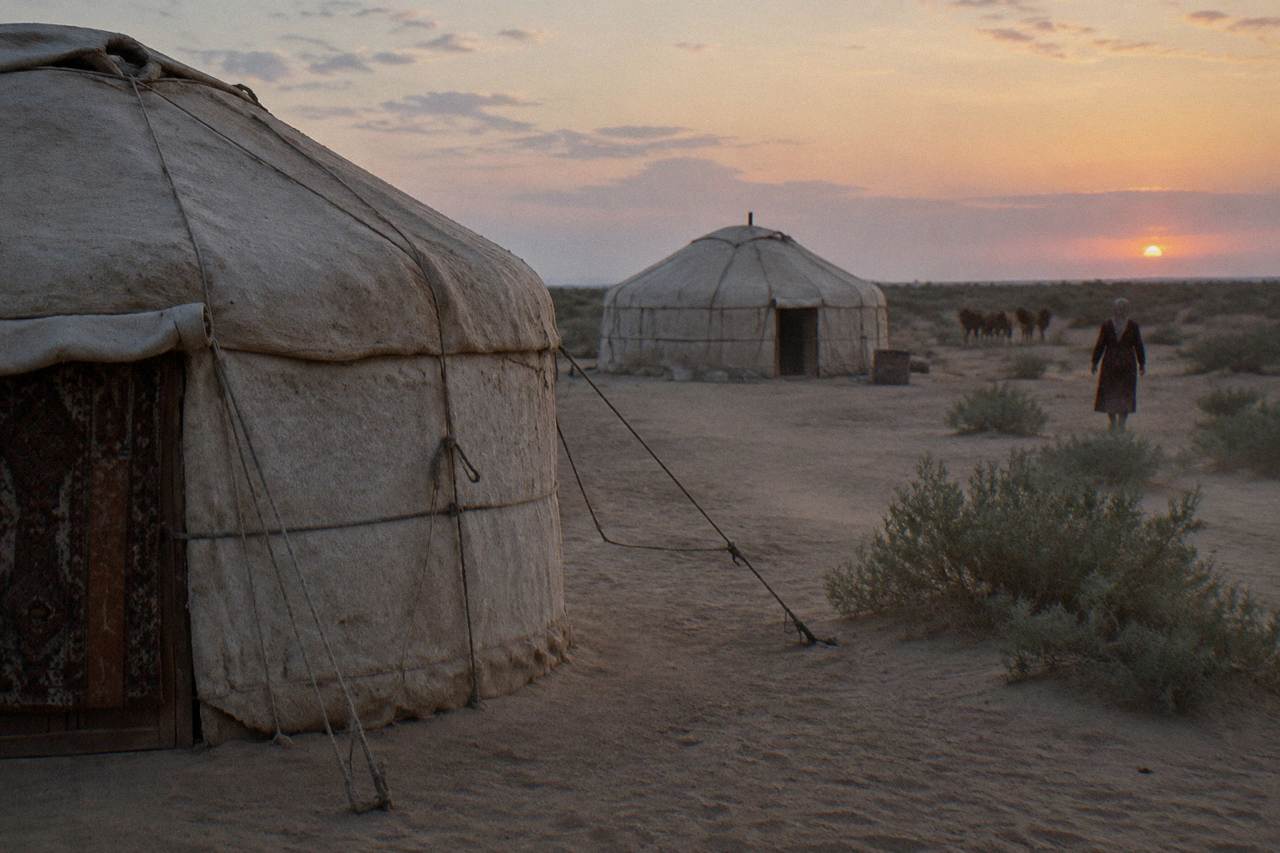
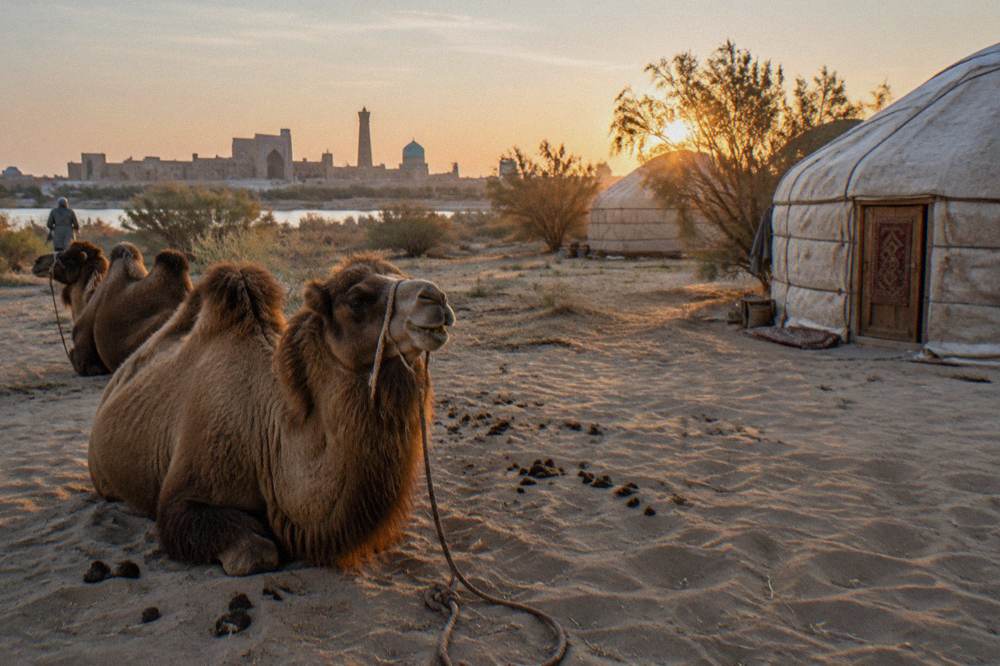
The Kyzylkum, whose name translates roughly as red sand, stretches across a huge share of western Uzbekistan between Bukhara and Nurata and on toward Khiva. Travelers do not cross it on the standard sightseeing route, they branch off to it. Camps near Aydarkul host guests in round felt dwellings, serve dinner and sometimes a bonfire or music, and put you somewhere with almost no light pollution. On a clear night the sky is the genuine attraction.
The honest tension is comfort. A yurt is a single round room with a low door, often a shared washroom block a short walk away, and thin walls that carry every snore. People who arrive expecting a boutique hotel leave disappointed. People who arrive expecting camping with better food leave delighted. Knowing which description matches you is most of the decision, and this article works through the rest: what the night actually involves, what it adds to a budget, how it fits a route, and what the honest alternatives are.
For context, the market does offer packaged versions. Some longer Uzbekistan tour packages on the wider market advertise a desert yurt night that list a yurt stay among their inclusions, alongside hotels, meals and transport. On this site's own roster, the verified multi day products run 2, 3, 5, 6, 7, 8 and 11 days, and none of their listing lines confirms a desert camp night, so the right move is always to read the itinerary of the specific tour you are comparing. The three below are the most useful comparisons for a reader weighing a desert detour against a pure city circuit.
What Actually Happens During A Yurt Night Near Aydarkul?
A typical stay runs arrival in the late afternoon, a walk or camel ride near the lake, a communal dinner, an evening around a fire, and a night on bedding inside a felt yurt, followed by an early breakfast and a departure the next morning, usually with about 18 hours total at the camp. The rhythm is slow on purpose. You drive out of the Silk Road city corridor, the land flattens, and the schedule collapses into walking, eating and looking at the sky.
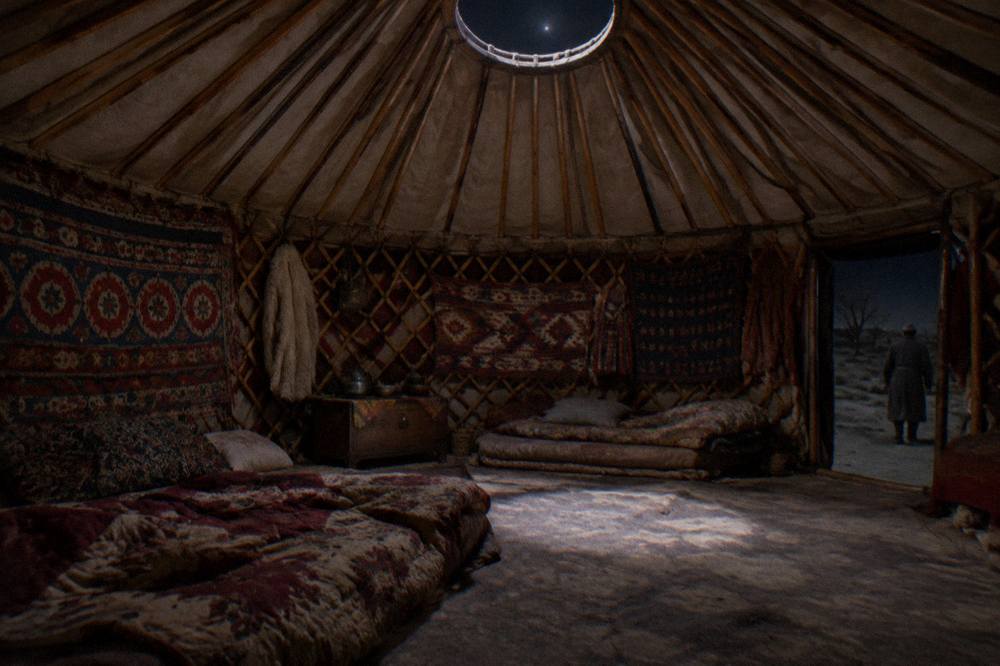
The camps around Aydarkul and Nurata are the best known cluster. Accommodation is a yurt, a round frame draped in felt, with a center skylight that works as a natural alarm clock. Beds are mattresses on a platform or the floor with blankets, which sounds spartan and is, though the felt holds warmth well once the desert cools. Washrooms are generally in a separate block. Dinner is usually a communal Uzbek spread, plov, bread, salad and tea, and several camps offer a short camel ride or a walk to the lake shore before sunset.
What you are really buying is darkness. Aydarkul sits far from any large town, and on a clear night the star field is something most city residents have never seen. Camps that light a bonfire usually switch it off partway through the evening for exactly this reason. Some arrange a local music performance or a Kazakh singing demonstration, and quality varies from camp to camp, so if music matters to you, ask the operator before booking rather than assuming.
The other thing that happens is cultural contact, of a mild and staged but genuinely pleasant kind. Camp staff in this region are usually local, food is regional, and unlike a city hotel the evening has nothing else in it. Travelers who enjoyed the night most often describe the same things: quiet, stars, and dinner conversation with no screens. Travelers who regretted it describe a cold night, hard bedding and a long drive back the next day. Both descriptions are accurate, which is the point.
If you are building this into a longer trip and want the desert handled by an operator rather than arranged solo, the 11-day Magical Cities tour from $1600 per person is the site's featured multi city product, with pickup, free cancellation and meals listed, though you would need to check its itinerary for any desert component. The longer the package, the more room there is to add a night like this without breaking the route.
Who A Yurt Night Suits, And Who It Does Not
A yurt night suits travelers who camp or rough it happily, families with children old enough to enjoy a fire and stars, photographers chasing a dark sky, and anyone with 10 or more days who can absorb the detour, and it poorly suits light sleepers, travelers who need a private bathroom, anyone on a tight 6 or 7 day city circuit, and visitors touring in the depths of winter or the peak of summer heat. That is the short version. The table below puts the tradeoffs side by side.
| Consideration | What you get | What you give up |
|---|---|---|
| Sleep | Deep quiet, no traffic noise | Firm bedding, thin felt walls, early sunrise through the skylight |
| Facilities | Warm shelter, hot tea, communal dinner | Shared washrooms, no reliable heating in cold months |
| Experience | Stars, silence, camel rides, local hosts | Several hours of driving each way from the city corridor |
| Schedule | A slow evening with nothing planned | A night away from Samarkand or Bukhara sightseeing time |
| Weather | Magical in spring and autumn | Very hot midsummer nights, freezing winter nights |
The weather column deserves emphasis. Uzbekistan's desert climate swings hard: summer daytime readings in the Bukhara region often exceed 35 degrees, and winter nights drop below freezing. Spring, from March through May, and autumn, September through October, are the windows most recommended for the whole country, and they are doubly right for a night in an uninsulated felt tent. If your trip falls in July or August, a yurt night is survivable but sweaty. If it falls in December or January, it is a cold-weather adventure and should be chosen as one.
Light sleepers should think carefully. Yurts are single rooms, and camps place guests in shared or adjacent dwellings. If a stranger's snoring ruins a night for you, the stars will not compensate. Earplugs help. So does booking a camp with fewer yurts, though availability is seasonal.
Families tend to do well. Children usually treat a yurt as a giant play tent, and a bonfire plus a camel ride is a strong combination for the under-12 crowd. The practical questions to ask an operator are whether the camp has a family yurt option, what the bathroom situation is at night, and whether dinner can be served early. These are ordinary questions, and good camps answer them plainly.
What A Yurt Night Adds To Your Budget
Expect a desert camp night to behave like a mid-range hotel night plus transport, because the camps charge for the yurt, dinner and breakfast as a package, and the significant costs are the hours of driving to reach them, so as a planning range a night typically lands somewhere in the mid-range daily budget band of $60 to $120 per person, and less if you share a vehicle. That range comes from current budget guides for Uzbekistan, which put budget travel at $25 to $50 a day and high-end travel at $180 or more, with mid-range in between.
The comparison that matters is against what else that money and day could buy. A licensed local guide for a full day in one of the cities starts from about $70 for the group, not per person, according to current operator rates. Walking tours on this site's roster run from $15 per person for the Bukhara old town walk to $23 for the small-group ancient city tour, and Samarkand's monuments walking tour is $15 per person with a 4.9 rating across 1,104 reviews. Against those prices, a yurt night is a splurge, and a justifiable one if the desert is the thing you came for.
| Spending option | Typical planning range | What you get |
|---|---|---|
| City walking tour | $15 to $23 per person | 3 to 4 guided hours in one historic center |
| Private guide, full day | from about $70 per group | About 8 hours of a licensed guide's time |
| Yurt night near Aydarkul | roughly a mid-range day, $60 to $120 per person | Overnight, dinner, breakfast, camp activities |
| Full-day mountain trip from Tashkent | $45 to $69 per person | Amirsoy, Chimgan and Charvak in one day |
Two cost notes from current traveler and operator reporting. First, tipping: for private guides and drivers on multi day trips, $10 to $20 a day for good service is the common norm, and camp staff appreciate small local notes. Second, cash: cards work at mid and upper hotels and many city restaurants, but guesthouses, bazaars and camps run on cash, and ATMs in smaller towns are sparse, so withdraw in the cities before you head for the desert. The exchange rate runs at about 11,900 som per US dollar, and clean bills exchange easily.
Booking through a package versus booking the night yourself is the real financial question. Some 7 and 10 day packages on the wider market fold a yurt stay into the price with hotels and transport, which is efficient if you wanted the full route anyway. Booking a standalone night as a side trip from Samarkand or Bukhara gives you control over the camp but leaves the driving to arrange, and private transfer pricing in the region is not trivial at that distance.
How The Desert Night Fits An Uzbekistan Route
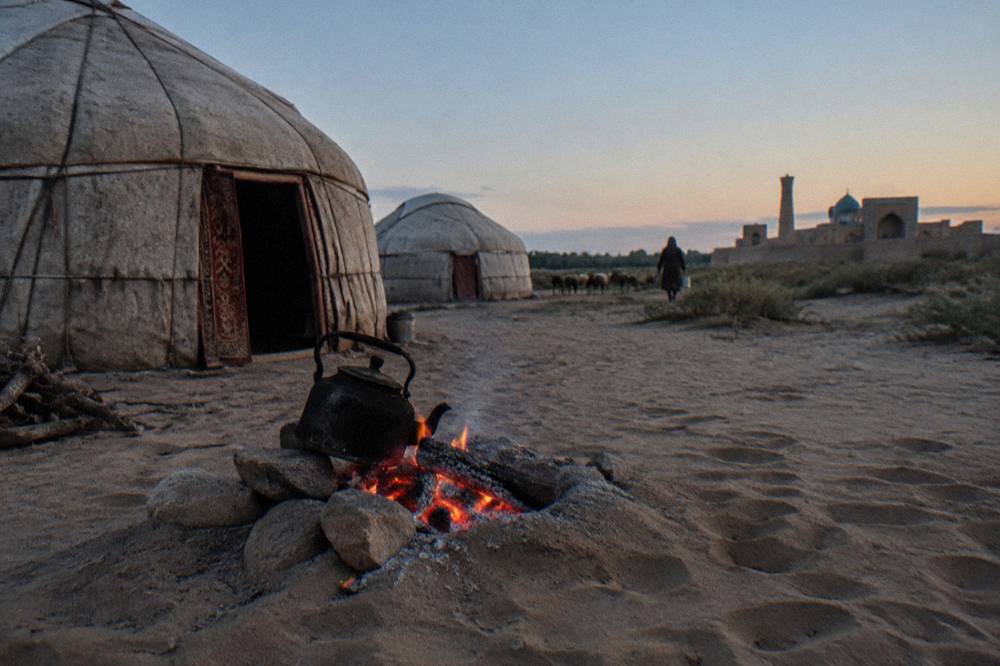
The practical way to place a yurt night is between Samarkand and Bukhara, splitting the overland leg with a stop in the Nurata and Aydarkul area, which most travelers do on an itinerary of 10 days or more, while on a 6 or 7 day circuit the detour usually costs more than it returns. The geography is forgiving in one direction only: Nurata sits roughly on the line between the two great cities, but the lake camps are a further drive off the highway, so the night adds real hours.
If you are planning this yourself, the standard pattern is to leave Samarkand in the morning, reach the camp by afternoon, stay the night, and continue to Bukhara the next day, arriving by evening. Road journeys in this corridor take hours rather than minutes. Travelers who prefer rail should know the fast trains connect Tashkent, Samarkand and Bukhara directly, with the Tashkent to Samarkand run taking about 2 hours to 2 hours 30 minutes, so a yurt detour means trading a train segment for a private vehicle. Timetables and tickets are best checked live on the official railway booking site, eticket.railway.uz, where foreigners can buy with passport details and booking typically opens 30 to 45 days ahead.
For route planning at every length, the site's guide to how many days and which route breaks down the tradeoffs, and the 10 day itinerary with a yurt stay shows exactly where the desert night slots into a longer trip. The short version: at 7 days the classic four-city circuit is already tight, and a yurt night means dropping real time somewhere, usually Khiva or Tashkent depth. At 10 or 11 days the night fits without sacrifice.
On packaged tours the calculus changes. The 7-Day Uzbekistan with the Local tour, from $1075 per person with a 5.0 rating from 21 reviews, is built around a local guide leading from the blue-domed cities into the mountains, and reading its live listing is the way to see whether a desert or village stay appears in its current itinerary. You can also check availability on the listing page, or on the operator's live listing, before committing.
The Aral Sea As The Other Remote Uzbekistan Trip
If the attraction of a yurt night is remoteness rather than nomadic romance, the stronger alternative on this site's roster is the 2-Day Aral Sea trip from Khiva, from $380 per person with a 4.9 rating from 61 reviews, which trades comfort for one of the most arresting landscapes in Central Asia. The two trips scratch a similar itch, the urge to see the Uzbekistan beyond the monuments, but they are very different products.
The Aral Sea listing travels toward the Muynak ship cemetery and the former sea bed, a full overnight expedition with pickup and free cancellation listed. It is a long drive across the northwest, and the reward is a haunting landscape of vessels resting on dry land, accessible as a day or overnight trip according to current reporting. Where the yurt night is soft adventure, firelight and plov, the Aral trip is hard travel with a payoff that travelers describe in superlatives.
Comparing the two is honest work. The yurt night is closer to the main route, cheaper, gentler and better for children. The Aral trip is farther, pricier and more demanding, and it is the choice if you want to say you saw something few visitors see. A traveler with 12 or more days can occasionally do both, using Khiva as the base for the Aral leg and the Samarkand-Bukhara road for the desert night, though most itineraries pick one. If you are still deciding how either detour fits into a bigger Uzbekistan route, our comparison of the best bookable Silk Road tours ranks the main options by length, budget and travel style.
A related read is the site's 14 day itinerary with Nukus and the Aral Sea, which builds the far west into a full route. Note that neither the Aral listing nor any other roster tour is confirmed to include Nukus museums or Fergana valley stops, so read each itinerary before assuming a region is covered.
The Honest Verdict, By Trip Length
On a trip of 10 days or more, a yurt night is worth it for most travelers who enjoy the outdoors, and on a trip of 7 days or fewer it is usually a mistake unless the desert is the single reason you came, with the middle ground, 8 and 11 day itineraries, coming down to whether stars or a fourth city matter more to you. The deciding factor is almost never the night itself, which most guests enjoy, it is the day of driving on either side.
Travelers on the shorter end should consider the mountain alternative instead. The Amirsoy, Chimgan and Charvak day trip from Tashkent, from $45 per person and rated 4.8 across 819 reviews, delivers landscape and fresh air in a single day without an overnight commitment, and the full-day version from $69 runs about 9 hours. It is the efficient answer when there is no room for a desert night.
For safety-minded readers, the US State Department advisory for Uzbekistan stands at Level 1, Exercise Normal Precautions as of January 2026, and the standard guidance about avoiding the southern border area with Afghanistan applies to the whole country, not the desert camps. Entry rules should always be checked before booking, and the official e-visa portal carries the current requirements for nationalities that still need one; US citizens do not, for stays up to 30 days.
The site's own collection at Uzbekistan Tour Packages exists to make exactly this comparison easy, and comparing is the right instinct here. A yurt night is a good product badly placed if it eats your Khiva day, and a modest product wonderfully placed if it turns a transfer day into the story you tell at home. Length of trip is the honest variable, more than price, more than the camp you pick.
Whichever way you lean, the three listings below span the range this article has covered: the long city circuit where a desert night fits comfortably as an add-on, a local-guided tour that already reaches beyond the cities, and the far-west expedition for travelers whose real interest is remoteness.
Common Questions About Yurt Nights In The Kyzylkum Desert
Is A Yurt Night In The Kyzylkum Desert Worth It?
For most travelers with 10 or more days who enjoy the outdoors, yes: the stars, silence and communal dinner are a genuine highlight. On shorter trips the driving usually costs more than the night returns. No tour on this site's roster is confirmed to include a yurt night, so check each listing's itinerary.
Do any multi day tour packages include a yurt stay?
Some 7 and 10 day packages on the wider market list a yurt camp among their inclusions, alongside hotels and meals. None of this site's 35 verified listings confirms one, so always read the itinerary of the specific tour before booking.
Where are the yurt camps located?
The best known camps cluster near Aydarkul Lake and Nurata, roughly between Samarkand and Bukhara. That position makes them a natural overnight split on the overland leg of the classic circuit.
What is a yurt night actually like?
Expect a round felt dwelling with a central skylight, mattresses with blankets, shared washroom facilities, a communal dinner and often a bonfire or camel ride. It is comfortable camping, not a hotel. Spring and autumn are the best seasons.
Is there a remote alternative to the desert camps?
Yes. The 2-Day Aral Sea trip from Khiva, from $380 per person and rated 4.9 from 61 reviews, is the roster's far-west expedition, including the Muynak ship cemetery. It is harder travel but a more dramatic landscape.
Can families with children do a yurt night?
Usually yes, and children tend to enjoy it. Ask the operator about family yurt options, nighttime bathroom access and early dinner service before booking.