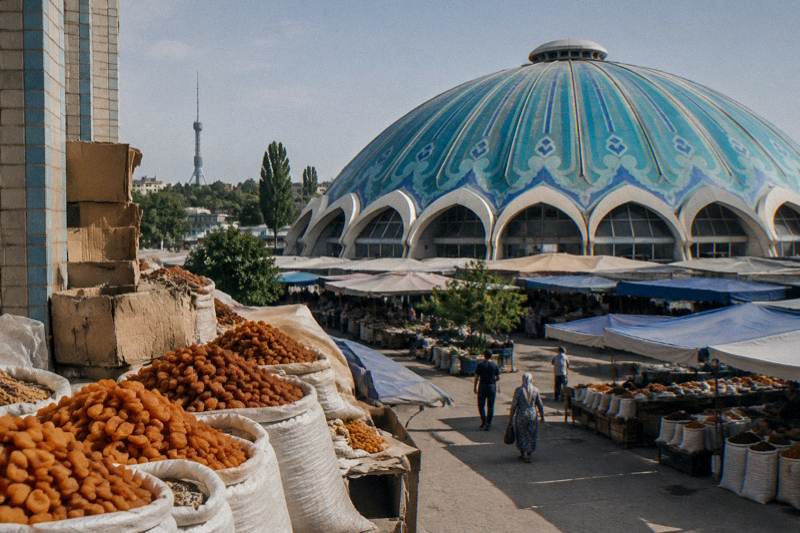
What Is The Best Silk Road Tour?
A comparison of the real, bookable Silk Road tours through Uzbekistan, ranked by traveler need: shortest, cheapest, most reviewed, train-based and longest, with route and cost guidance.
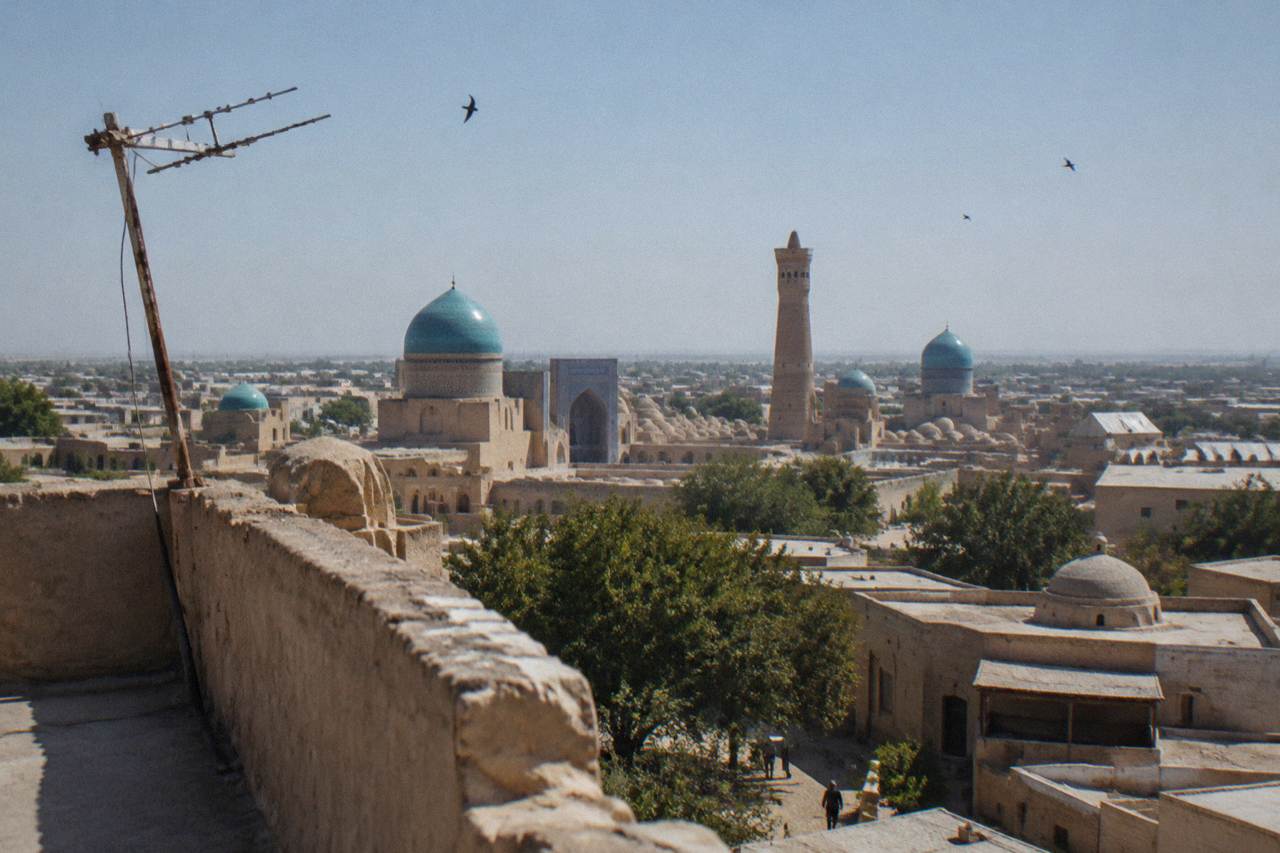
What Is The Best Silk Road Tour?
Anyone asking this question is really asking three smaller ones: how many days do you have, how much do you want to spend, and which cities matter most to you. A five-day sampler and an eleven-day circuit are both sold as Silk Road tours, and both are legitimate answers for different travelers. What follows is a comparison of the real, bookable options, with from-prices spanning $15 to $1600 and review counts across all 35 tours. Before you book anything, it helps to know what the Silk Road looks like for travelers today, since the old caravan routes are gone but the route itself remains very much open.
The honest short version: for most first-time visitors, a private multi-day tour of roughly six to eight days covering Tashkent, Khiva, Bukhara and Samarkand hits the sweet spot between pace, cost and coverage. The best value on the current roster is a six-day private itinerary from $800 per person, rated 4.9 from 48 reviews. The most complete is the eleven-day circuit from $1,600. Travelers short on time can see the two greatest cities in two days by bullet train from $499. The right pick depends on which of those budgets and calendars matches yours.
What Is The Best Silk Road Tour?
The best Silk Road tour is the longest one that fits both your calendar and your budget without rushing: for most travelers that is a private six-to-eight-day itinerary from Tashkent covering Khiva, Bukhara and Samarkand, currently from $800 to $1,035 per person. Travelers with two weeks and a bigger budget get more from the 11-day circuit at $1,600, and those with a weekend get genuine value from the two-day train trip at $499. Once you've picked your route, our guide to what Uzbekistan is most famous for tells you which monuments, dishes, and craft traditions to seek out in each city.
That answer sounds evasive, so let us make it concrete. The tours sold under the Silk Road banner on this site range from $15 walking tours of a single old city to a $1,600 eleven-day private circuit. That is not a market where one product can be "the best" for everyone, any more than one hotel could be. What you can do is rank the field by need, and that ranking is stable because it rests on verified listing data, not on slogans.
The 8-Day Private Train Tour from Tashkent deserves special mention for one reason: it is built around the rail network. You move between the cities the way the modern Silk Road traveler does, on fast trains, and it includes meals and pickup, from $1,035 per person with a 4.7 rating from 40 reviews. For travelers who dislike long drives through flat desert, that format beats a bus-based itinerary of equal length almost every time.
For travelers who want the trip to feel less like a checklist, the 7-Day Uzbekistan with the Local: From Blue Domes to Mountains mixes the classic cities with mountain scenery, from $1,075 per person, rated a perfect 5.0 from 21 reviews. That is a small review pool, so read it as strong early feedback rather than settled consensus, but the direction is clear. And for the budget-conscious, the Silk Road Secrets five-day tour from $856 and the budget six-day private tour from $632 keep the core cities while trimming the inclusions.
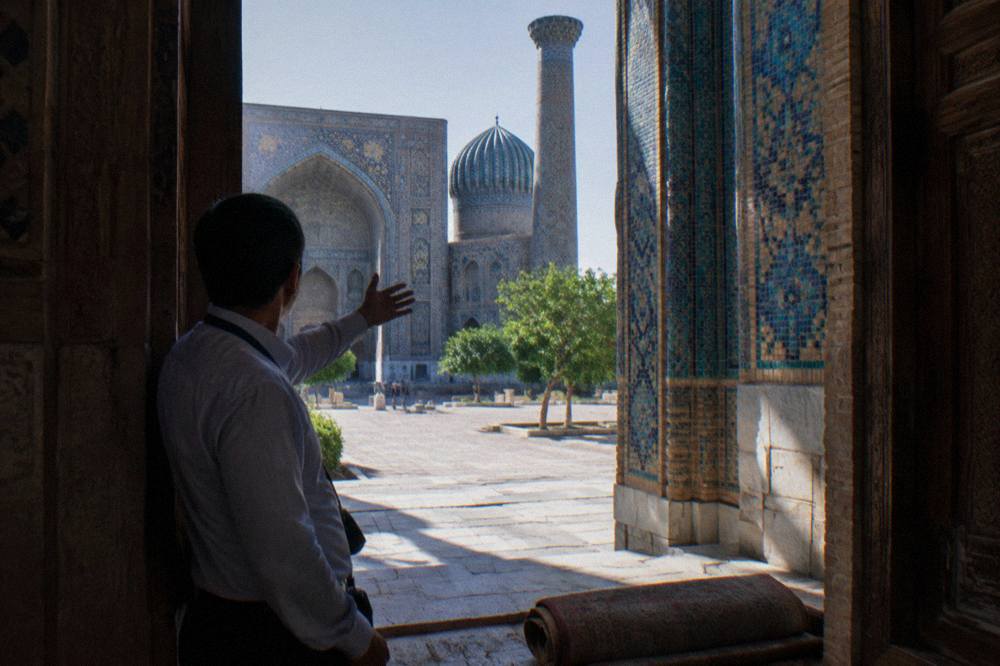
Which Silk Road Tour Fits Each Type Of Traveler?
The cheapest real multi-day Silk Road tour is the budget six-day private itinerary from Tashkent at from $632 per person; the shortest meaningful circuit is the two-day Bukhara and Samarkand train trip from $499; the most reviewed tour in the entire roster is the Historical Monuments Guided Walking Tour in Samarkand, rated 4.9 from 1104 reviews; and the longest is the eleven-day Magical Cities circuit from $1,600. Each of those holds a different crown, and only you know which crown you are shopping for. Whatever crown you pick, a quick read of the famous sights and foods of Uzbekistan will tell you exactly what you are paying to see.
The table below matches the bookable listings to the traveler they suit. Prices are per person, from the live listings, and the private ones vary by group size, which means a party of four often pays less per head than the "from" figure suggests. Ratings are printed beside their review counts because a 5.0 from three reviews and a 4.9 from 633 are very different signals.
| Traveler need | Best current pick | Days | From (per person) | Rating and reviews |
|---|---|---|---|---|
| Cheapest full circuit | Budget 6-Day Private From Tashkent | 6 | $632 | 10 reviews |
| Best balance of pace and price | 6-Day Private, Meals Included | 6 | $800 | 4.9 from 48 reviews |
| Train-based travel | 8-Day Private Train Tour, Meals | 8 | $1,035 | 4.7 from 40 reviews |
| Cities plus mountains | 7-Day Local Guide, Mountains | 7 | $1,075 | 5.0 from 21 reviews |
| Quickest two-city circuit | 2-Day Train Trip, Meals | 2 | $499 | 4.9 from 57 reviews |
| Longest, most complete | 11-Day Magical Cities, Meals | 11 | $1,600 | 10 reviews |
Two reading notes on that table. First, the listings with "too few for a star claim" are not bad tours; they are simply new or thinly reviewed, and printing an average from eight or ten people would be dishonest. Second, every listing above includes free cancellation as stated on its page, which matters when you are booking a trip months out, since plans shift.
If the eleven-day option is the one that keeps pulling at you, it is worth reading the full eleven-day Magical Cities itinerary in detail. It is the only roster package long enough to absorb a slow morning in Khiva and an unplanned second visit to the Registan without costing you another city, and at $1,600 per person with meals listed, it sits at the top of the market on this site without being an outlier against it.
How Many Days Do You Need For A Silk Road Tour?
Five days is the practical minimum for the classic four-city circuit, and it is tight; six to eight days is the comfortable range; eleven days lets you add the mountain and desert side trips that shorter tours skip. Anything under five days means choosing two or three cities rather than all four, and that is a legitimate trip, just a different one.
The reason five days is the floor is geography. Tashkent sits in the northeast, Khiva in the far west, and the distances between them are not walkable: the Tashkent to Khiva rail journey, on the service reportedly launched in May 2026, runs about seven and a half hours, and the drive between Bukhara and Khiva takes five to six hours by road. You can cover the corridor fast by train, but every transfer eats a half day, and the cities themselves deserve more than a drive-by.
A useful way to think about pace is what you lose at each length. At five days you see all four cities but you will visit the great monuments on a schedule. At six to seven days the pressure drops enough for a workshop, a bathhouse or a long dinner in the old town. At eight days you can add the mountain day trip from Tashkent. At eleven you can do all of it and still have a slow morning, which is, honestly, when these cities are at their best, before the tour buses arrive.
The two-day option deserves its own defense. The 2-Day Tour to Bukhara and Samarkand from Tashkent by train, from $499 per person and rated 4.9 from 57 reviews, is not a compromise tour for people who failed to plan. It is a deliberate choice for travelers transiting through Tashkent on a longer Central Asia trip, or those whose employers gave them exactly one long weekend. You ride the fast trains, you sleep in the two most spectacular cities on the route, and you skip the rest without pretending you saw it.
Solo travelers and pairs should also weigh the private-versus-group question, which our private versus small group tours comparison covers in depth. On this roster almost every multi-day listing is private, which means the per-person price falls as your group grows, so a family of four frequently pays less per head than the advertised "from" figure.
Did The Silk Road Go Through Uzbekistan?
Yes, and not marginally: the cities that anchored the Silk Road's central stretch, Samarkand, Bukhara and Khiva, all sit inside modern Uzbekistan, which is why nearly every commercial Silk Road tour today is, in practice, an Uzbekistan tour. The caravans that carried goods between China and the Mediterranean passed through these oases, and the architecture they funded still stands in the old centers.
That geography explains the market. When a tour operator sells a "Silk Road tour," the itinerary is almost always Tashkent, Khiva, Bukhara and Samarkand, in some order, because that is where the surviving medieval fabric is. The walled inner city of Khiva, the Registan ensemble in Samarkand and the old town of Bukhara are UNESCO-listed complexes that grew rich on caravan trade, and no neighboring country can offer three of them in a single week's drive.
It also explains the question people ask next, about whether the "real" Silk Road still exists. The trade route was never a single road; it was a shifting web of caravan paths, and the thing travelers visit today is the infrastructure that outlived the trade: the caravanserais, the bazaars, the domed markets and the madrasahs that line the old centers. You can still walk a bazaar in Bukhara where merchants have sold from the same spots for centuries, even if the goods are now machine-made and the buyers are locals rather than caravan agents.
If you want the deeper route logic, including which cities to cut when time is short, read our Silk Road routes comparison guide. It walks through the corridor city by city and explains the tradeoffs a four-city versus three-city itinerary forces on you.
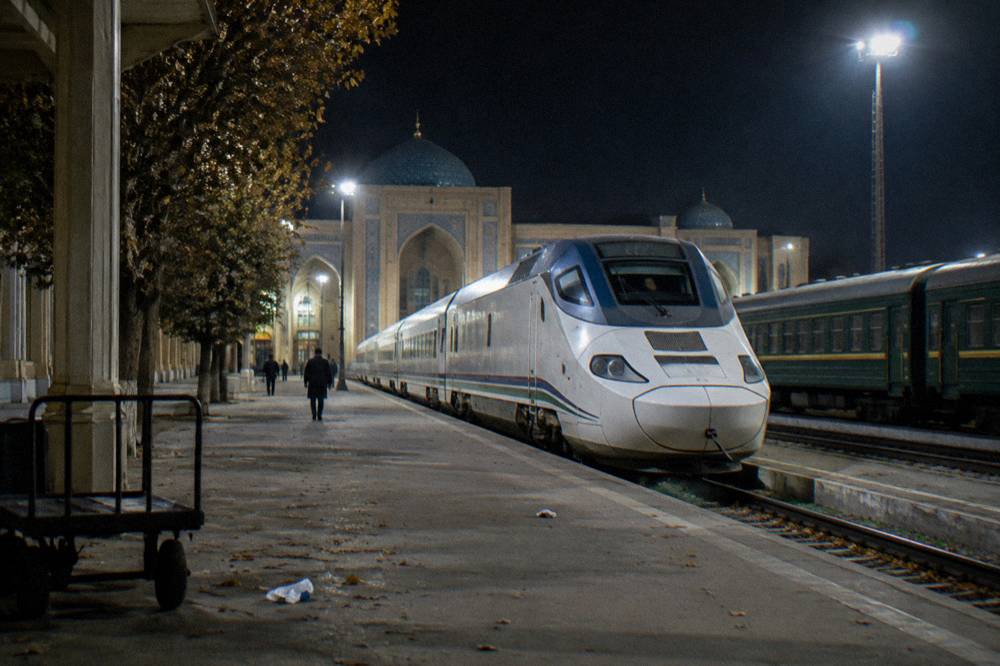
Should You Travel Between Cities By Train Or Private Car?
For the Tashkent, Samarkand and Bukhara legs, the fast trains beat driving: the high-speed service covers Tashkent to Samarkand in about two to two and a half hours versus a much longer drive, and it is the format the best multi-day tours are built around. For reaching Khiva, the picture is mixed, with a new direct train reported since May 2026 and a five-to-six-hour road option from Bukhara.
The rail corridor is genuinely good. The high-speed trains run several departures a day on the main segments, tickets can be bought online through the railway's own e-ticket site at eticket.railway.uz, and booking typically opens 30 to 45 days ahead. Economy fares from Tashkent to Samarkand run from about $25 to $40, and the Tashkent to Bukhara economy fare from about $42 to $55, though these are secondary-source ranges that shift with the date, so check live before budgeting.
The Khiva question changed recently. A new direct high-speed service between Tashkent and Khiva reportedly launched in early May 2026, running about seven and a half hours, three days a week, at a fare of roughly 780,000 som, about $65. Those details come from secondary reporting rather than the railway's own confirmed timetable, so treat the days and times as unconfirmed until you check the booking site. The traditional alternative is the road transfer from Bukhara, five to six hours, which is exactly why the Khiva-to-Bukhara transfer tour with the five desert fortresses and a lake stop exists: it turns the dead driving day into the most photogenic leg of the trip. The rest of the planning pages sit on Uzbekistan Tour Packages.
| Leg | Best format | Typical time | Notes |
|---|---|---|---|
| Tashkent to Samarkand | High-speed train | About 2h to 2h30 | Several daily departures |
| Samarkand to Bukhara | High-speed train | About 1h12 to 1h50 | Shortest intercity hop |
| Tashkent to Bukhara | High-speed train | About 3h50 to 4h20 | Slower classic trains also run |
| Bukhara to Khiva | Private transfer or bus | About 5 to 6 hours | Fortress stop tours turn it into a sightseeing day |
| Tashkent to Khiva | Train (reported) or flight | About 7.5 hours by train | New service, check live days and times |
This is also why we flagged the 8-day train-based package earlier. A tour operator who has already solved your rail tickets, transfers and station pickups removes the single most stressful part of independent travel in the region, which is not danger, it is logistics. Our Uzbekistan by train guide covers the full rail picture if you would rather build the trip yourself.
What Should A Good Silk Road Tour Include?
A good multi-day Silk Road package includes accommodation, intercity transport, a local English-speaking guide, entrance tickets to the listed monuments and hotel or station pickup, with breakfasts standard and full meals a differentiating extra; on this roster, meals are explicitly listed on some tours and not on others, so read the inclusions line rather than assuming. Free cancellation is stated on nearly every listing, which is worth confirming before you pay anything.**
The differences between a $632 six-day tour and a $1,450 seven-day tour are rarely the cities, they are the hotel tier, the meal count, the vehicle class and how many entrances are prepaid. The premium seven-day listing at from $1,450 per person covers the same four cities as the budget six-day at $632, but the listing positions it at a higher service level. Neither is a scam; they are answering different questions about comfort.
One inclusion question travelers forget to ask: what happens between the cities. Some tours bundle the desert fortress stops and lake visits into the long transfer days, which is the single best use of otherwise dead time, while others drive straight through. The Khiva-to-Bukhara transfer with the top five fortresses and Akchakul Lake, rated 5.0 from 111 reviews and from $220 per person, is the standalone version of that idea and can be bolted onto an independent trip.
Do not skip the fine print on monument tickets either. Entry fees in Uzbekistan are paid per monument and they have been rising: the Itchan Kala combined ticket in Khiva runs about 150,000 som, roughly $11.50, with a fuller version about 240,000 to 250,000 som, and the Registan ensemble in Samarkand about 70,000 to 100,000 som. Those are approximate figures that change, so a tour with entrances prepaid spares you both the queue and the arithmetic, and it removes the risk of a price rise landing mid-trip.
How Much Should You Pay For A Silk Road Tour?
Real, bookable multi-day Silk Road tours through Uzbekistan currently run from $632 per person for a budget six-day private tour to $1,600 for the eleven-day circuit, with the mainstream six-to-eight-day private options clustered between $800 and $1,450; on top of the tour price, budget roughly $25 to $50 a day for a frugal independent day and $60 to $120 for a mid-range one.
Those daily budget ranges, from current 2026 traveler and operator cost guides, cover hotels, food, local transport and sightseeing when you are not inside a package. On a fully inclusive tour your out-of-pocket spending shrinks to lunches not covered, souvenirs, tips and the occasional monument the tour skips. Tipping deserves a line in your budget: about $10 to $20 per day for a private guide or driver who has done well is the accepted norm, and restaurants add 5 to 10 percent when no service charge appears on the bill.
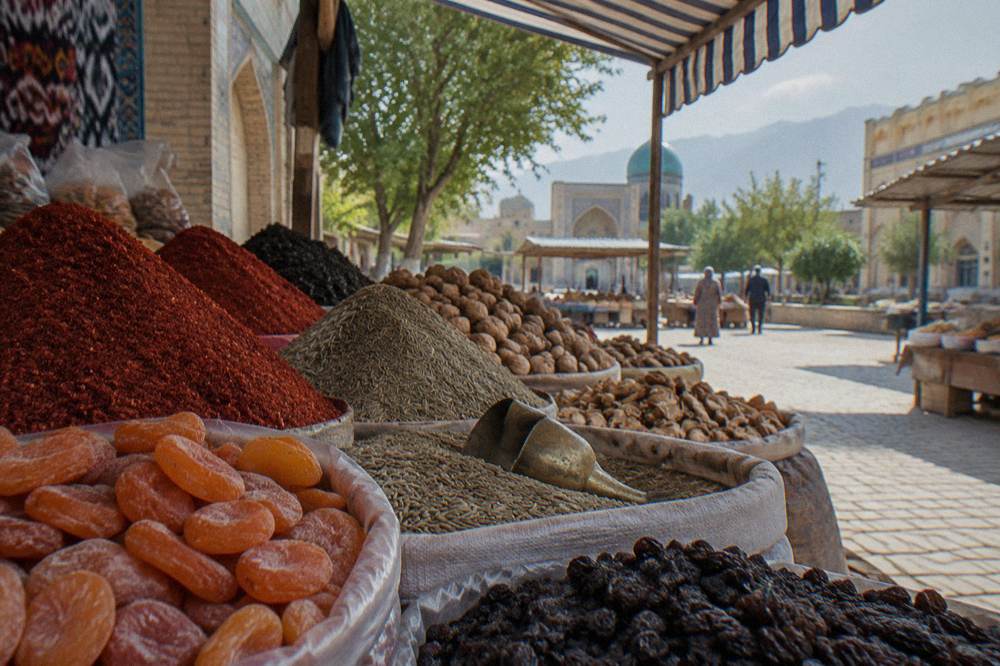
Season moves prices more than most travelers expect. Spring and autumn are the comfortable windows, with April, May, September and October drawing the biggest crowds to the main sites, and operators charge accordingly. Summer in the cities runs hot, often past 35 degrees, and winter nights freeze, but both seasons bring quieter monuments and, in some cases, softer pricing. Our month-by-month guide to visiting Uzbekistan breaks the tradeoffs down if your dates are flexible.
Payment logistics are easier than they used to be, with cards accepted at mid-range and upper hotels, malls and many tourist restaurants in the big cities, but cash in som remains the norm at bazaars, guesthouses, taxis and monument ticket windows. ATMs in the main cities dispense som with per-withdrawal limits, so plan on carrying clean backup bills. None of this is exotic, it is just worth knowing before you land.
Is Booking A Tour Better Than Traveling Independently?
For a first trip of seven days or less, a tour is usually better value than independent travel, because the operator's group rates on hotels, trains and transfers often undercut what a solo traveler can assemble; for longer trips, or for travelers comfortable buying rail tickets online a month ahead, independent travel becomes competitive and eventually cheaper. The break-even point lands somewhere around eight to ten days.**
The case for the tour is not just convenience. The good operators hold accommodation blocks in the old towns, they have solved the station-transfer dance that eats a morning when you do it yourself, and their guides unlock monuments whose signage is thin. The premium you pay for that is real, but so is the time you save. The case against is flexibility: you cannot linger three hours in a bazaar because the schedule will not allow it, and you will sometimes eat where the tour eats.
The middle path is worth considering. Book a multi-day package for the spine of the trip, then add independent days at either end using the cheap city tours this site lists: the Samarkand historical monuments walking tour at from $15 per person, rated 4.9 from 1,104 reviews, is the most reviewed experience on the roster and works perfectly as a do-it-yourself day. A food or walking tour of Tashkent at from $19 fills the capital day the same way.
Whichever way you lean, two practical notes apply to everyone. US citizens should still check the current entry rules before booking, even with the 2026 visa-free regime in place, since registration and passport-validity guidance lives on official pages like the State Department's Uzbekistan advisory, which stands at Level 1, Exercise Normal Precautions, as of January 2026. And if your dates might move, prioritize tours with free cancellation stated on the listing, which is most of this roster.
Entry rules for other nationalities, including the e-visa process for countries not covered by visa-free entry, are explained on the official portal at e-visa.gov.uz. It is worth ten minutes of checking before you commit hundreds of dollars to a package.
Common Questions About Silk Road Tours
What Is The Best Silk Road Tour?
For most travelers it is a private six-to-eight-day tour from Tashkent covering Khiva, Bukhara and Samarkand, with the best current balance being the six-day private itinerary from $800 per person, rated 4.9 from 48 reviews. Travelers with more time and budget should look at the eleven-day Magical Cities circuit from $1,600, and those with a weekend at the two-day train trip from $499.
Did the Silk Road go through Uzbekistan?
Yes. Samarkand, Bukhara and Khiva, the oasis cities that anchored the route's central stretch, all lie inside modern Uzbekistan, which is why nearly every commercial Silk Road tour is effectively an Uzbekistan itinerary built around those three old centers plus Tashkent.
what killed the silk road?
The caravan trade declined as maritime shipping took over the movement of goods between Asia and Europe, making the long overland routes commercially uncompetitive. The cities survived, but the trade that funded them faded, and the monuments travelers visit today are what remained.
does the real silk road still exist?
Not as a trade route, but the physical fabric does. The old centers of Khiva, Bukhara and Samarkand, the caravanserais and the bazaars are still standing and still in daily use, and you can walk markets where merchants have traded for centuries. Tours sell the surviving infrastructure, not a revived caravan economy.
How many days do you need for a Silk Road tour?
Five days is the practical minimum for all four cities and it is rushed; six to eight days is comfortable; eleven days lets you add mountains, desert fortresses and slow mornings. Under five days, choose two or three cities rather than attempting the full circuit.
Are the monument entry fees included in these tours?
It varies by listing. The higher-priced multi-day packages typically include entrance tickets to the listed sites, while budget listings may leave some fees to you. Approximate costs to plan around are about 150,000 som for the Itchan Kala combined ticket in Khiva and about 70,000 to 100,000 som for the Registan in Samarkand, with prices subject to rises, so check each tour's inclusions line before booking.