Silk Road Tours Through Uzbekistan: Which Route Fits
The Silk Road's most famous surviving cities sit inside one country. This guide maps what is actually still there, which tour packages follow which route, and how to match the circuit to your days, budget and pace.
Short answer
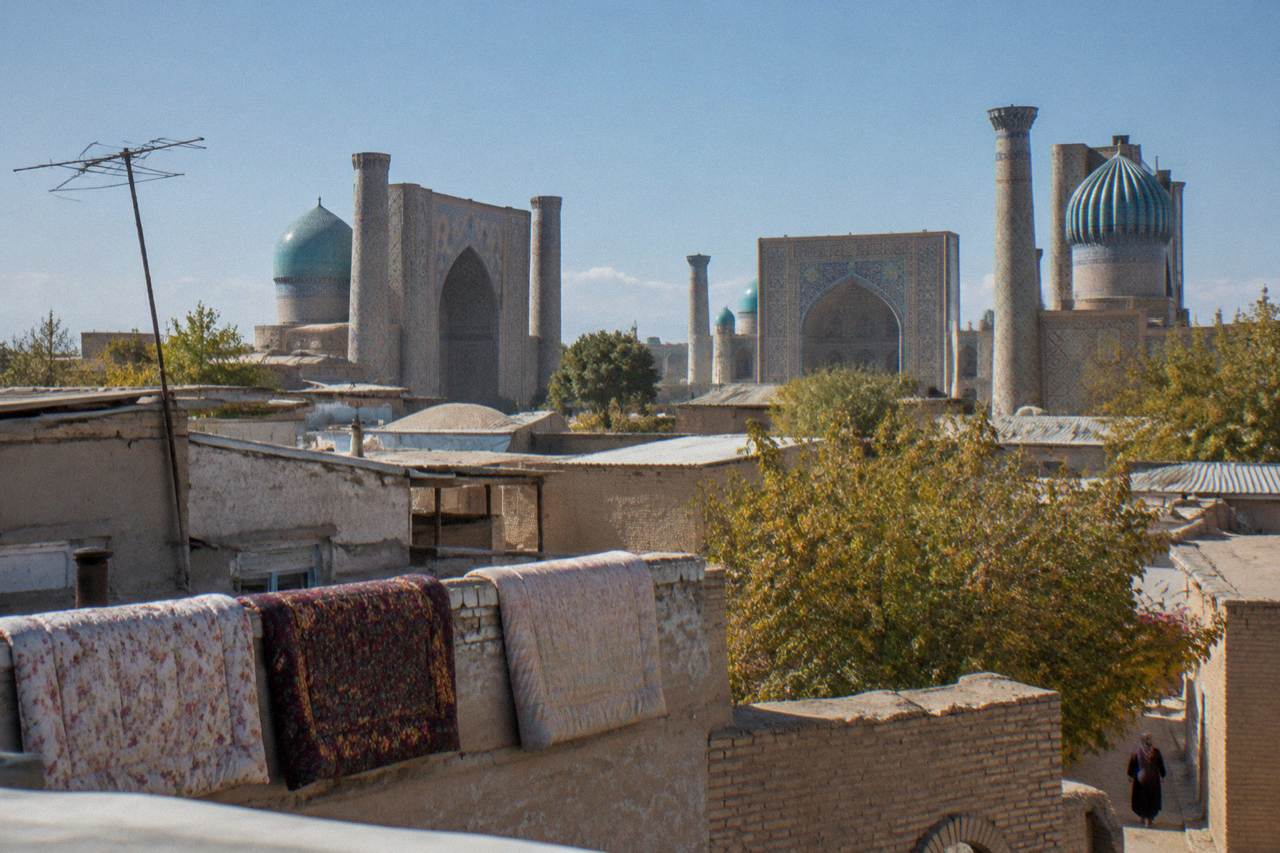
Uzbekistan holds the Silk Road's three great surviving caravan cities, Samarkand, Bukhara and Khiva, all within a train corridor from Tashkent. Roster packages run from $499 for a 2-day train trip to $1,600 for an 11-day private tour, so the route you pick depends mostly on how many days you have.
Silk Road Tours Through Uzbekistan: Which Route Fits
The three most photographed monuments of the Silk Road era, the Registan in Samarkand, the Poi Kalon complex in Bukhara and the Itchan Kala walls of Khiva, all stand inside the borders of one country, connected by a high-speed rail corridor that did not exist when the caravans ran. That geography is why Uzbekistan has become the practical answer for travelers who want to travel the Silk Road without stitching together five visas. Most of the multi-day packages on this site, from a $499 two-day train sprint to an $1,600 eleven-day private circuit, follow the same spine: Tashkent, then Samarkand, Bukhara and Khiva, sometimes Urgench, in varying order and depth. If you're wondering which of these itineraries actually fits your time and budget, our ranked comparison of the best Silk Road tours matches each option to a different style of traveler.
This guide breaks the question into pieces. What is actually still standing. Which route shape matches which trip length. Which roster packages run which route, at what price and with what included. And what you can bolt on beyond the big three cities if you have the days.
What Is Still Left Of The Silk Road In Uzbekistan?
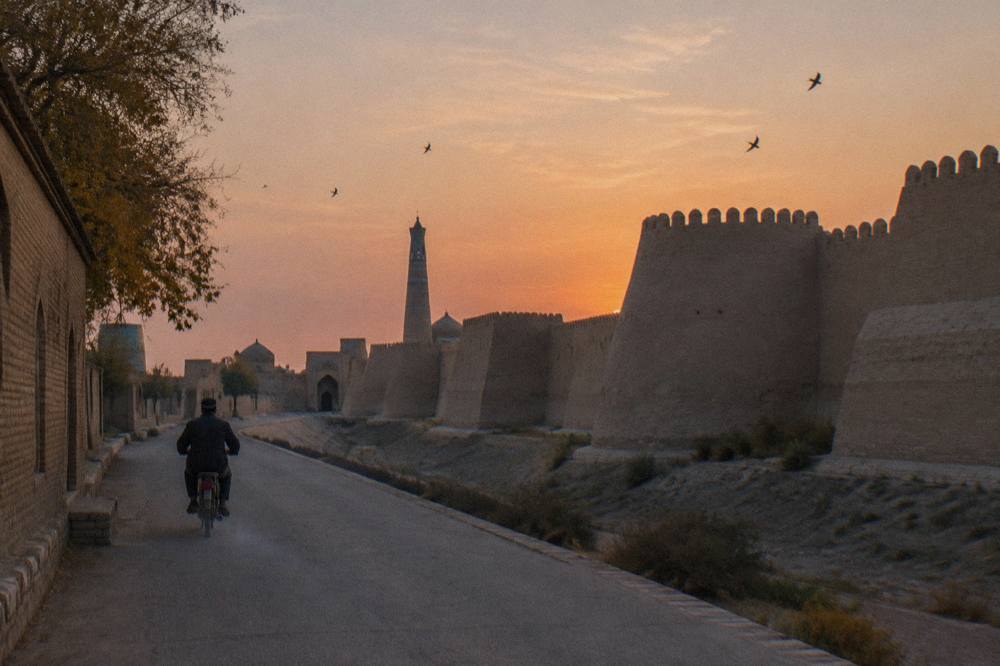
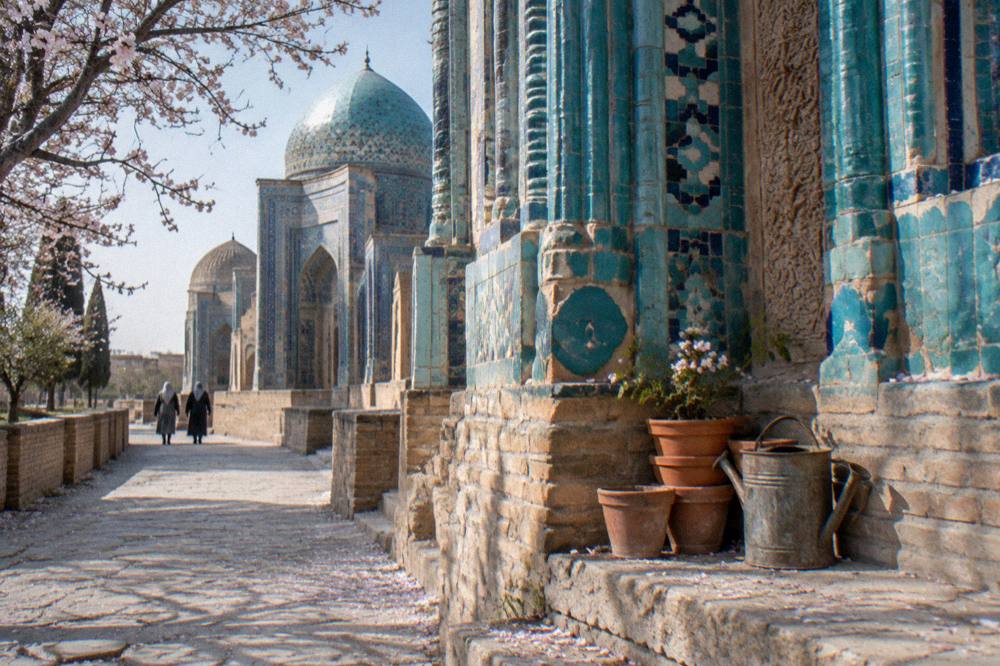
More than most people expect: Samarkand's Registan ensemble, Bukhara's Ark fortress and old-town trading domes, and Khiva's entire walled inner city survive as walkable, functioning historic centers, not ruins. Together they anchor a route that package tours can cover in five to eight days. The monuments are medieval in origin, restored over centuries, and the bazaars, caravanserais-turned-workshops and bread ovens around them still run daily.
The honest framing matters here. The Silk Road was never a single road but a mesh of caravan routes, and Uzbekistan holds the stretch with the densest cluster of surviving urban fabric. Khiva's Itchan Kala is the extreme case: a walled inner city where dozens of monuments sit inside one gate-to-gate walk, ticketed as a combined entry of about 150,000 som, with a fuller ticket at about 240,000 to 250,000 som covering more interiors. Bukhara spreads wider, with open squares you cross for free and individual sites, such as the Ark at about 60,000 som, paid one by one. Samarkand's Registan charges per monument, with reports placing a full ensemble visit around 70,000 to 100,000 som, and prices there have been rising, so treat those as planning ranges and check on site.
What the listings sell, beyond the monuments, is the continuity. The bread ovens of Samarkand still stamp loaves travelers have carried for centuries. The mulberry paper workshop in Samarkand still makes sheets the way the region did when paper moved west along the caravan routes. Khiva's woodcarving masters still work in the old city. These living-craft layers are exactly what the shorter city tours and workshop classes on the roster plug into, and they are a good answer when a companion is "monumented out."
For a deeper city-by-city breakdown of what you actually see and do in each, read the Samarkand monuments guide, the Bukhara old town guide, and the Khiva and Itchan Kala guide.
Which Silk Road Route Through Uzbekistan Fits Your Trip Length?
For five to seven days, run the classic loop: Tashkent to Samarkand to Bukhara, adding Khiva only if you fly or take the new train. For eight to eleven days, all four cities plus mountain or desert sidetrips fit at a human pace. Under five days, pick two cities, usually Samarkand and Bukhara, and buy a train-based package rather than a road one.
Route shape is the single biggest decision, bigger than operator or hotel class, because it fixes your transport reality. The Tashkent to Samarkand to Bukhara corridor is served by the Afrosiyob high-speed trains, about 2 to 2.5 hours to Samarkand and about 1 hour 12 minutes to 1 hour 50 minutes onward to Bukhara, with five-plus departures a day on the main segments. Khiva is the outlier: until recently it meant a drive of roughly five to six hours from Bukhara or an internal flight to Urgench, which is why many seven-day packages start or end there rather than looping.
| Trip length | Realistic route | Transport pattern | What you trade away |
|---|---|---|---|
| 2 days | Tashkent, Samarkand, Bukhara (fast) | High-speed rail both ways | Depth; roughly one day per city |
| 3 days | Tashkent, Bukhara, Samarkand | Bullet train, private transfers | Khiva entirely |
| 5 to 6 days | Tashkent, Khiva, Bukhara, Samarkand | Flight or train to Khiva first, then rail back | Relaxed pacing; some one-night stops |
| 7 to 8 days | All four cities, full loop | Rail plus internal flight or Khiva train | Little; the sweet spot |
| 11 days | Four cities plus sidetrips | Mixed rail, road, mountain day trips | Nothing except budget |
The pattern to internalize: Khiva is the expensive city to reach, so short itineraries that promise all four cities in three days are selling you a lot of vehicle time. If Khiva is your priority, flip the route and start there, flying or training into Urgench first and working back east, which is exactly how several roster packages sequence themselves. The 7-day itinerary guide walks the full loop day by day, and the how many days guide covers the same math for other lengths.
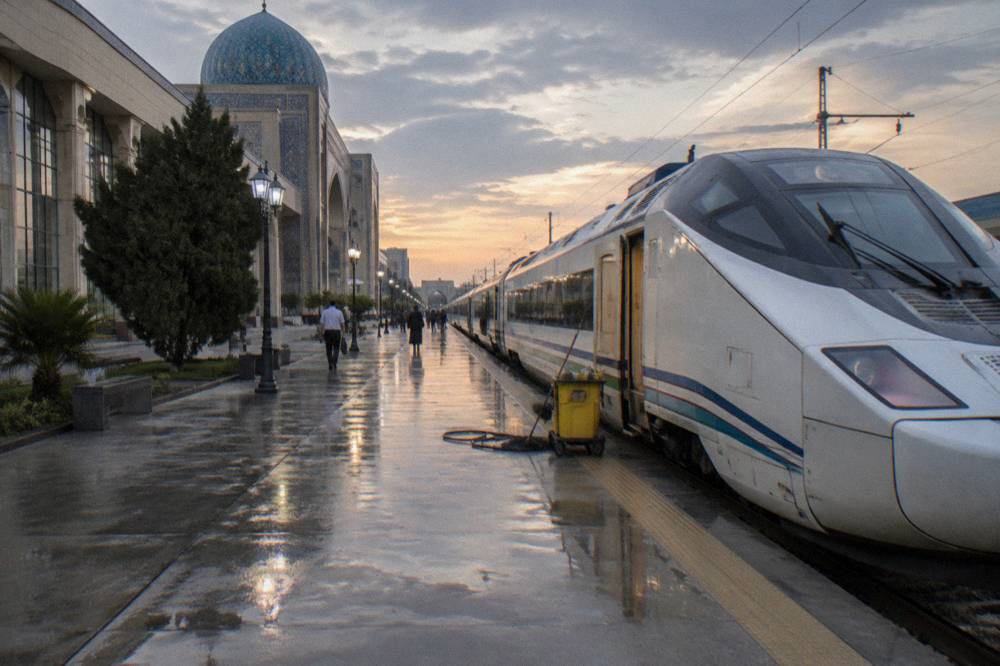
If you are shopping rather than planning from scratch, three roster listings cover the three most common route shapes between them.
Which Packages Follow The Classic Silk Road Route?
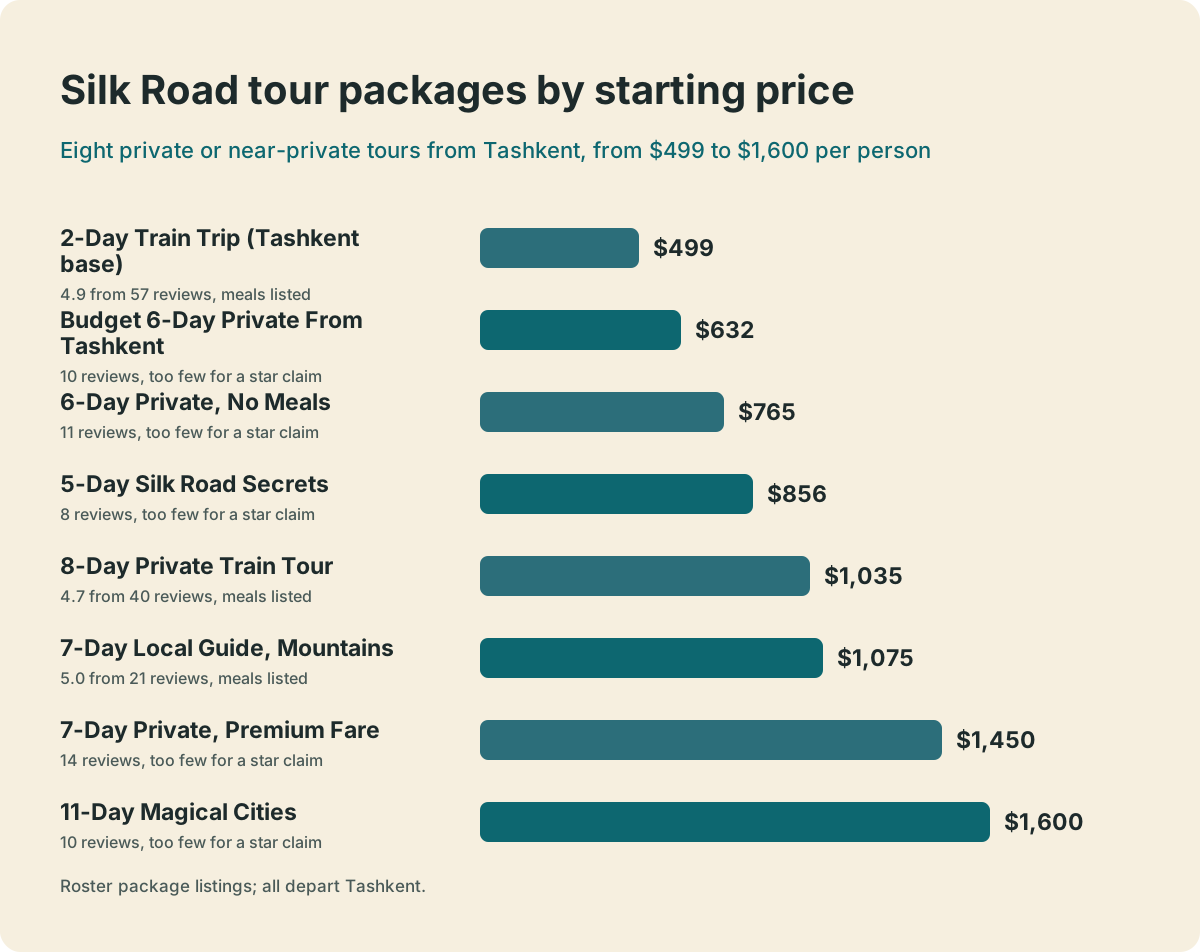
Eight roster packages run the classic circuit, from a $632 budget six-day private tour to a $1,600 eleven-day private tour, all departing Tashkent, all private or near-private, with prices varying by group size on most. The best reviewed are the six-day private with meals at 4.9 from 48 reviews and the eight-day train-based tour at 4.7 from 40 reviews.
The roster's multi-day Silk Road line-up is deeper than it first looks, and the differences between listings are mostly duration, meal inclusions and price point rather than route. Two listings at six days can differ by $65 and by whether meals are included, so read the inclusions line, not just the headline. Here is the full spread. Many of these routes bundle in a night at a desert yurt camp, and if you're unsure whether that stop earns its spot, our honest take on the Kyzylkum yurt night covers who it suits and what it costs.
| Package | Days | From (per person) | Rating and reviews | Meals listed |
|---|---|---|---|---|
| Budget 6-Day Private From Tashkent | 6 | $632 | 10 reviews | No |
| 6-Day Private, No Meals | 6 | $765 | 11 reviews | No |
| 2-Day Train Trip (Tashkent base) | 2 | $499 | 4.9 from 57 reviews | Yes |
| 5-Day Silk Road Secrets | 5 | $856 | 8 reviews | Yes |
| 7-Day Local Guide, Mountains | 7 | $1,075 | 5.0 from 21 reviews | Yes |
| 8-Day Private Train Tour | 8 | $1,035 | 4.7 from 40 reviews | Yes |
| 7-Day Private, Premium Fare | 7 | $1,450 | 14 reviews | Yes |
| 11-Day Magical Cities | 11 | $1,600 | 10 reviews | Yes |
Read that table as three tiers. The budget tier, $499 to $632, buys the rail corridor and the two or three big cities without meals. The mid tier, $765 to $1,075, is where most travelers should shop: it picks up meals, more nights, and in the case of the 8-day train tour, a route that starts in Tashkent, reaches Urgench for Khiva, and returns through Bukhara and Samarkand, which is the full loop done properly. The premium tier, $1,450 to $1,600, is for longer trips or higher hotel standards.
The 8-day private train tour is the roster's cleanest expression of the classic route, and the listing's structure, Tashkent to Urgench to Bukhara to Samarkand and back to Tashkent, is the sequence a first-time Silk Road traveler should want: you knock out the far end first, then work home eastward with the grain of the rail network.
The featured compact option is the Silk Road Secrets tour, five days from $856 per person with price varying by group size, pickup and meals listed. It suits a traveler who wants the Silk Road headline cities with the logistics handled but without committing a full week of vacation. Eight reviews is a small pool, so judge it on the itinerary detail rather than a star average, and check the live listing for the current departure pattern. Check availability
One comparison worth making before you book anything: the private versus small group guide explains why almost every Silk Road package here is private, and what that does to price per person as your group grows.
What Can You Add Beyond Samarkand, Bukhara And Khiva?
The strongest add-ons from the roster are the Khiva to Bukhara transfer that stops at five ancient fortresses and a lake, from $220, the two-day Aral Sea trip from Khiva from $380, and the Shahrisabz day trip from Samarkand from $49. None of these is inside a standard city package, so you either book them separately or pick a longer tour that absorbs them.
The classic three-city circuit is the trunk of the route; the branches are where a trip stops feeling like a checklist. The most underrated roster listing for Silk Road purposes is the fortress transfer: instead of a dead five-to-six-hour drive between Khiva and Bukhara, you spend ten to twelve hours stopping at desert fortresses, remnants of the caravan era's frontier posts, plus a lake, and arrive at your next city having seen landscape most visitors skip. At 5.0 from 111 reviews it is also one of the best reviewed listings anywhere on this site, and it effectively converts your transfer day into a tour day for $220 per person, price varying by group size.
| Add-on | Base city | Duration | From (per person) | Rating and reviews |
|---|---|---|---|---|
| Three Ancient Fortresses day trip | Khiva | 6 hours | $84 | 4.7 from 151 reviews |
| 2-Day Aral Sea trip | Khiva | 2 days | $380 | 4.9 from 61 reviews |
| Fortress transfer with lake stop | Khiva (to Bukhara) | 10 to 12 hours | $220 | 5.0 from 111 reviews |
| Shahrisabz day trip via mountain pass | Samarkand | 7 hours | $49 | 4.7 from 168 reviews |
| Mountain day trip (Chimgan, Charvak) | Tashkent | 9 hours to 1 day | $45 | 4.8 from 819 reviews |
| Village plov cooking class | Samarkand | 6.5 hours | $59 | 4.8 from 52 reviews |
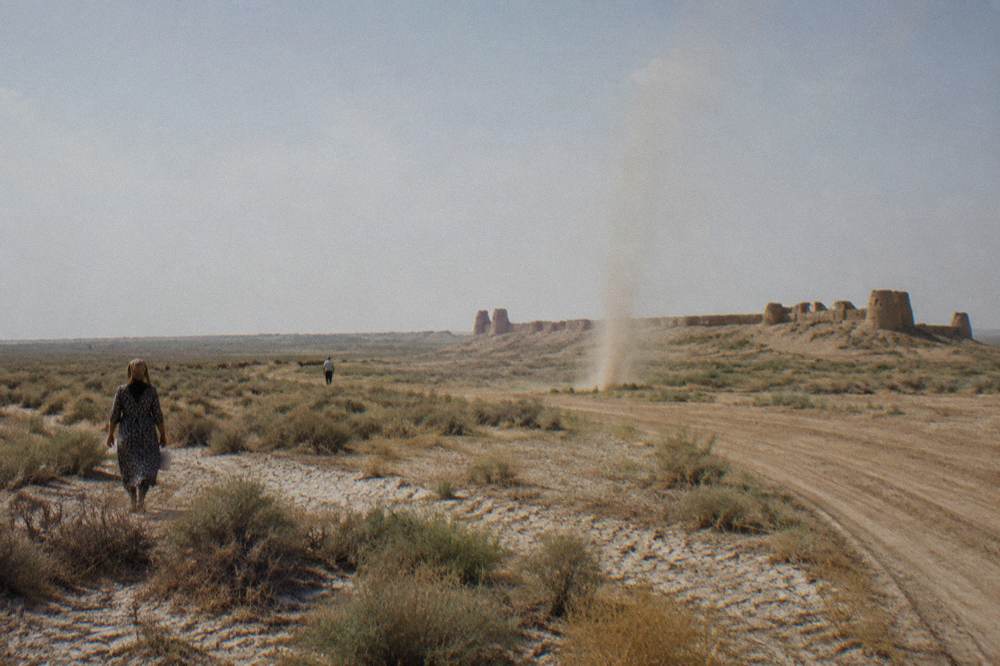
The Aral Sea option deserves a flag: it is the roster's only route into Karakalpakstan, it takes two full days, and it is a haunting rather than beautiful destination, the Muynak ship cemetery being the point. It only makes sense on a trip of eight days or more, since it eats a big chunk of your Khiva end. Shahrisabz, by contrast, is an easy half-day-plus from Samarkand over a mountain pass, and the plov cooking class is the best food entry point on the roster. Travelers weighing the full extended route, including Nukus and beyond, should read the 14-day itinerary guide, which plans that version of the trip in detail.
How Do You Travel Between The Silk Road Cities?
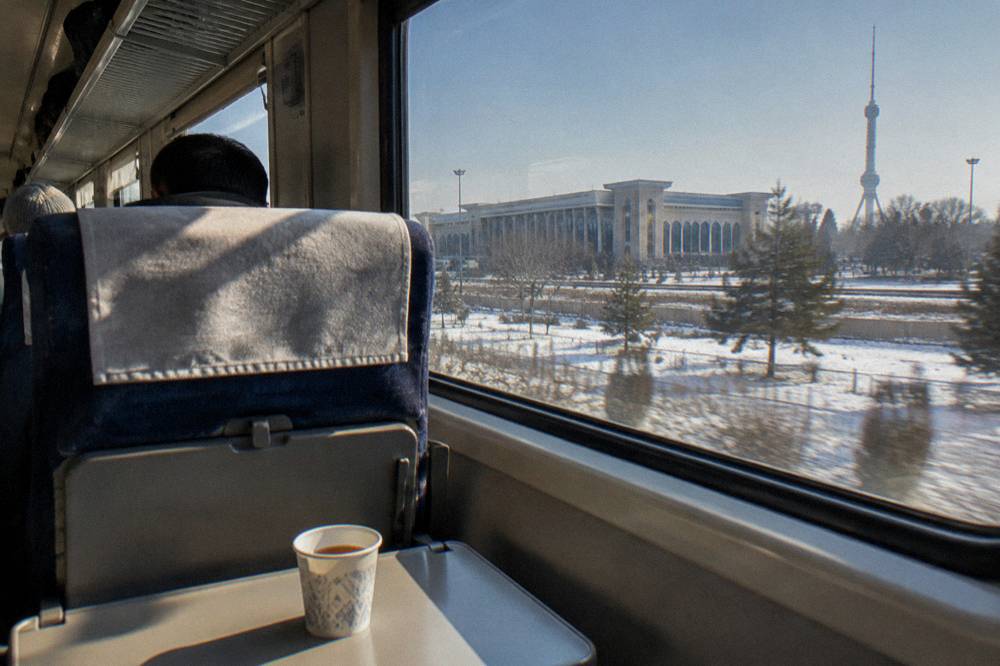
By train for the eastern corridor and by car or plane for Khiva: Afrosiyob high-speed trains run Tashkent to Samarkand in about 2 to 2.5 hours and Samarkand to Bukhara in about 1 hour 12 minutes to 1 hour 50 minutes, while the new Tashkent to Khiva service, launched in May 2026, is reported to take about 7.5 hours three times weekly. Packages bundle this; independent travelers book at eticket.railway.uz.
If you buy a package, the transport question is answered for you, which is a large part of what you are paying for: rail seats on this corridor sell out in peak season, and booking opens only about 30 to 45 days ahead, which catches independent planners off guard. The official booking site, eticket.railway.uz, accepts foreign passports and international cards with varying success, so have a backup plan for payment.
| Leg | Best mode | Typical time | Notes |
|---|---|---|---|
| Tashkent to Samarkand | Afrosiyob train | About 2 to 2.5 hours | 5+ departures daily each way |
| Samarkand to Bukhara | Afrosiyob train | About 1h12 to 1h50 | Fastest link on the route |
| Tashkent to Bukhara | Afrosiyob train | About 3h50 to 4h20 | Skips Samarkand if needed |
| Tashkent to Khiva | New train or flight | About 7.5 hours by train | Train launched May 2026, reported 3x weekly |
| Bukhara to Khiva | Road | About 5 to 6 hours | Fortress transfer tour covers this leg |
| Samarkand to Tashkent | Flight or train | About 2 hours by train | Flight also available |
Fares are secondary-source ranges, so print them as budgets rather than facts: Tashkent to Samarkand Afrosiyob economy from about $25 to $40, Tashkent to Bukhara economy from about $42 to $55, business classes higher. The slower Sharq trains cost less, about 3 hours to Samarkand. If your package includes an internal flight, usually Urgench back to Tashkent, domestic minimum fares on Uzbekistan Airways have run about 442,000 to 484,000 som one way, and schedules are published on the airline's site. The deeper comparison, train versus private car for the whole route, is covered in the trains guide.
What Does A Silk Road Tour In Uzbekistan Cost?
Package prices on the roster run from $499 to $1,600 per person for multi-day tours, day tours from $15 to $84, and independent daily budgets from about $25 to $50 budget to $60 to $120 mid-range, excluding flights. A package premium over independent travel buys logistics, guides and entrance coordination, typically $100 to $300 more per person over a comparable week.
Whether a package is worth it depends on how you value the rail-booking problem and the guide problem. The rail corridor in April, May and September sells out; guides booked independently start from about $70 a day for a licensed English-speaking city guide, often per group; monument tickets add up when Registan, the Ark and Itchan Kala are all on the list. A $1,035 eight-day private tour that includes pickup, meals, trains and guiding starts to look conventional once you price those pieces separately.
| Cost layer | Budget range | Mid-range range | Notes |
|---|---|---|---|
| Daily spend (excluding flights) | $25 to $50 | $60 to $120 | Guesthouse vs 3-star hotel baseline |
| City walking tour | $15 to $23 | $45 to $84 | Small-group vs private with transport |
| Monument entries (full circuit) | Roughly $25 to $35 total | Same, plus interiors | Itchan Kala about $11.50, Ark about $5 |
| Private guide (if independent) | From about $70 per day | $95+ for premium languages | Usually per group, not per person |
| Multi-day package | $632 to $856 | $1,035 to $1,600 | Roster endpoints, per person |
Two roster listings bracket the whole question well. At the short end, the all-inclusive Samarkand day tour from Tashkent, from $180 per person with price varying by group size, at 5.0 from 60 reviews, shows what a single day costs when everything is included. At the long end, the eleven-day package at $1,600 shows the ceiling. Between them sits the trip cost guide, which builds full budget tables by trip length.
Money mechanics are simple if you prepare: cash som for tickets, bazaars and guesthouses, cards at hotels and malls, an exchange rate of about 11,900 som per dollar, and clean US bills as backup for exchange desks. Tipping is increasingly expected in tourist areas, roughly $10 to $20 a day for a private guide or driver on multi-day tours and 5 to 10 percent in restaurants when no service charge appears on the bill.
When Is The Best Time To Ride The Silk Road Route?
April, May, September and early October are the peak windows: mild temperatures across all four cities, full train schedules and the highest crowds and prices. Summer runs hot, with southern cities regularly exceeding 35 to 40°C, while winter is cold at night but quiet and cheap. Shoulder edges, late March and late October, trade a few degrees for thinner crowds.
The route's climate is continental and dry, so the swing between seasons is dramatic. Khiva, the most continental of the four, runs winter nights below freezing while July days reach about 36 to 37°C. Samarkand sits a few degrees milder in both directions. Because the core experience is walking outdoor squares and walled cities with little shade, heat matters more here than in museum-heavy destinations, which is why the summer discounts exist and why nobody regrets an April booking.
Peak season also compresses the rail problem: the five-plus daily Afrosiyob departures fill up in April, May and September, and package tours with pre-arranged transport sidestep that entirely. For a month-by-month breakdown including festival timing, see the best time to visit guide.
What Is The Best Silk Road Tour?
By review evidence, the six-day private tour with meals, 4.9 from 48 reviews, from $800 per person, is the strongest multi-day pick on the roster, with the eight-day train tour, 4.7 from 40 reviews, the best full-loop choice. "Best" still depends on days available: a five-day traveler and an eleven-day traveler need different products, and small review pools on several listings make the itinerary, not the stars, the deciding factor.
This question, in various wordings, is what most Silk Road searches resolve to, and the honest answer has three parts. First, match duration to route: any package shorter than five days cannot honestly cover four cities, and the roster's own two- and three-day products deliberately limit themselves to Samarkand and Bukhara for exactly that reason. Second, weight the review pool: 4.9 from 48 reviews is evidence, while a listing with 8 or 10 reviews has essentially no signal, good or bad. Third, check inclusions line by line: two six-day privates $65 apart differ mainly on meals, and meals along this route are a genuine cost and a genuine pleasure.
The featured five-day option, the Silk Road Secrets tour, sits in the compact lane, and the seven-day local-guide tour with mountains, 5.0 from 21 reviews at $1,075, is the pick for travelers who want the classic cities plus a taste of the mountains beyond them. Between those two, the 8-day private train tour, and the budget six-day at $632, most Silk Road shoppers will find their fit on this site, on the pages collected under the Uzbekistan Tour Packages umbrella.
Common Questions About Silk Road Tours In Uzbekistan
Did the Silk Road go through Uzbekistan?
Yes. The caravan routes crossed the territory of modern Uzbekistan, and its cities, Samarkand, Bukhara and Khiva among them, were among the route's major trading and craft centers. That is why the densest cluster of surviving Silk Road era monuments sits in Uzbekistan today.
What is the best Silk Road tour?
By review evidence on this site's roster, the six-day private tour with meals (4.9 from 48 reviews, from $800 per person) and the eight-day private train tour (4.7 from 40 reviews, from $1,035 per person) lead. The right pick depends on your available days: five days suits a compact loop, eight days the full four-city circuit.
what killed the silk road?
Historians generally point to the opening of sea routes between Europe and Asia, which made ocean shipping cheaper and safer than long overland caravans, alongside political changes that disrupted the land corridors. Overland caravan trade faded over time rather than ending in a single event, leaving the cities that had grown rich from it to live on their crafts and agriculture.
does the real silk road still exist?
The caravan trade does not, but the physical route does: the walled cities, caravanserais, bazaars and craft workshops survive, many still working. In Uzbekistan you can walk the Itchan Kala walls, buy bread stamped in centuries-old ovens, and watch mulberry paper made by hand, so the honest answer is that the road's infrastructure largely exists while the trade that created it moved to the sea.
does the actual silk road still exist?
As a single paved road you can follow, no; it was always a mesh of routes rather than one highway. As a set of cities, monuments and living crafts strung across Uzbekistan, yes, and modern tours follow that same geography by rail.
what are 5 facts about the silk road?
First, it was a network of routes, not a single road. Second, goods traveled in relay, changing hands many times, so few traders ran the full length. Third, Uzbekistan's cities were among its great centers, and their monuments survive today. Fourth, sea routes eventually undercut the overland caravans. Fifth, paper, a signature Central Asian craft, moved west along these routes, and Samarkand still makes mulberry paper by hand.