Bukhara Tour: The Ark, Poi Kalyan And The Old Town
Bukhara is the most walkable of Uzbekistan's Silk Road cities, and almost everything worth seeing sits inside a compact old town you can cross on foot in half an hour. Here is how to tour it: what to see, what a tour costs, and whether a walking tour or a day trip from Tashkent fits your trip.
Short answer
A guided Bukhara walking tour costs from $15 to $23 per person and covers the old town in about three to four hours. A full-day private tour from Tashkent runs from $299 per person over 12 to 16 hours. Most travelers need one to two full days in Bukhara itself, with the Ark and Poi Kalyan as the anchors.
Bukhara rewards the traveler who arrives with a plan. The old town is small enough that you could wander it in an afternoon, yet dense enough that a guide changes what you actually take away from it: a wall you might have walked past becomes a story, a dome becomes a workshop, a courtyard becomes the reason the city mattered on the Silk Road. This guide lays out what a Bukhara tour covers, what the real listed options cost, and how to choose between a walking tour in the city and a day trip down from Tashkent.
The city's core sights cluster around a single pedestrian spine. The Ark fortress sits at one end, the Lyabi-Hauz pool complex at the other, and the Poi Kalyan complex with its great minaret sits a few minutes off the axis. Between them run the covered trading domes, medieval market halls that still sell suzani embroidery, carpets and spices. Nearly every tour on the roster, from a $15 group walk to a $299 private day trip, follows some version of this route, because it works.
What Should A Bukhara Tour Actually Include?
A complete Bukhara tour covers four anchors: the Ark fortress, the Poi Kalyan mosque and minaret complex, the covered trading domes, and the Lyabi-Hauz pool square, all reachable on foot inside the old town. Add a workshop stop or a madrasah courtyard if time allows. Anything beyond that, such as the summer palace or a fortress side trip, needs extra hours.
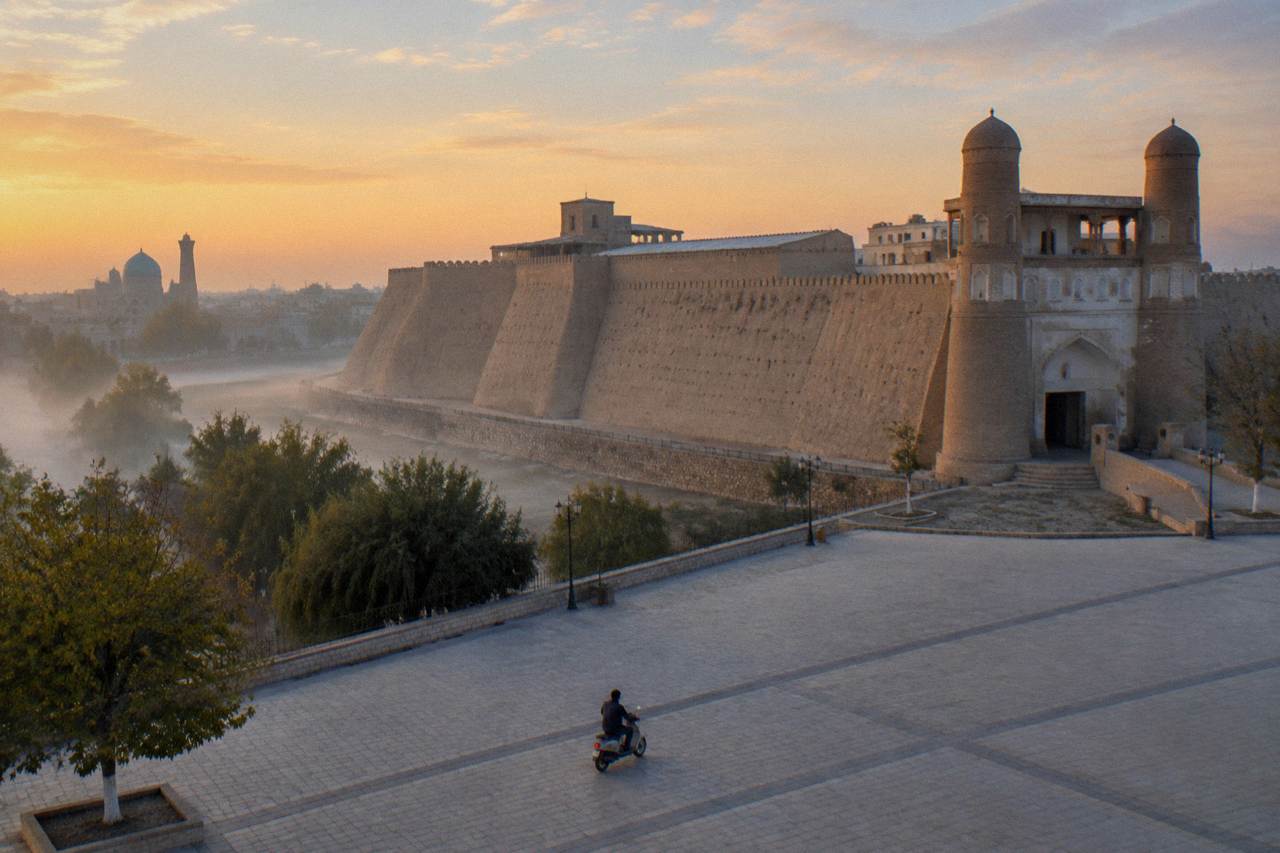
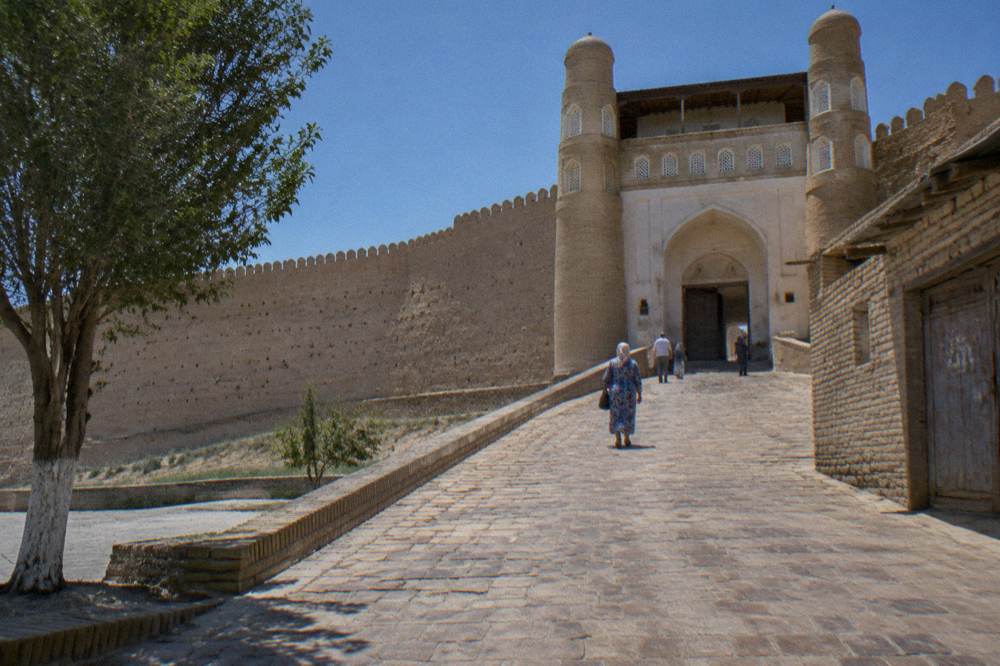
The Ark is the city's original citadel, a walled fortress that housed rulers through the Silk Road era and now functions as a museum complex. You enter through a raised gateway and walk a ramp into a courtyard ringed by exhibition halls. It is the one sight in Bukhara that genuinely benefits from a guide, because the buildings are austere and the stories are what carry it. Expect to spend about an hour inside.
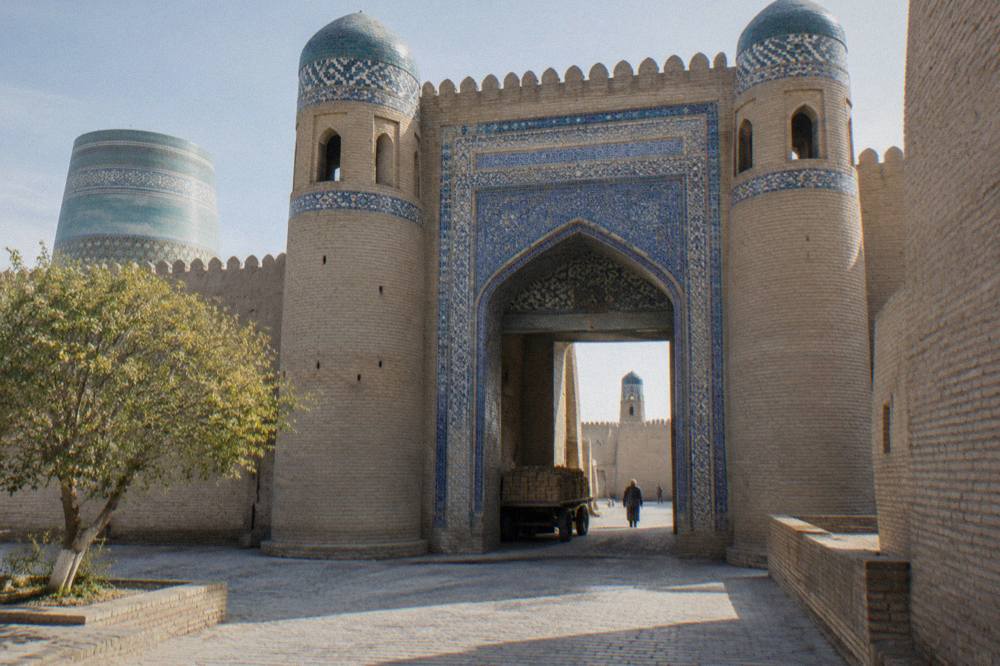
Poi Kalyan is the visual heart of the city and the image most people picture when they think of Bukhara. The minaret is centuries old and famously sturdy, and the mosque and madrasah flanking it form one of the grandest ensembles in Central Asia. Tour groups typically pause on the plaza for the wide view, then walk closer for the tilework. Photography is straightforward here at almost any hour, and early morning or late afternoon light is the kindest to the facades.
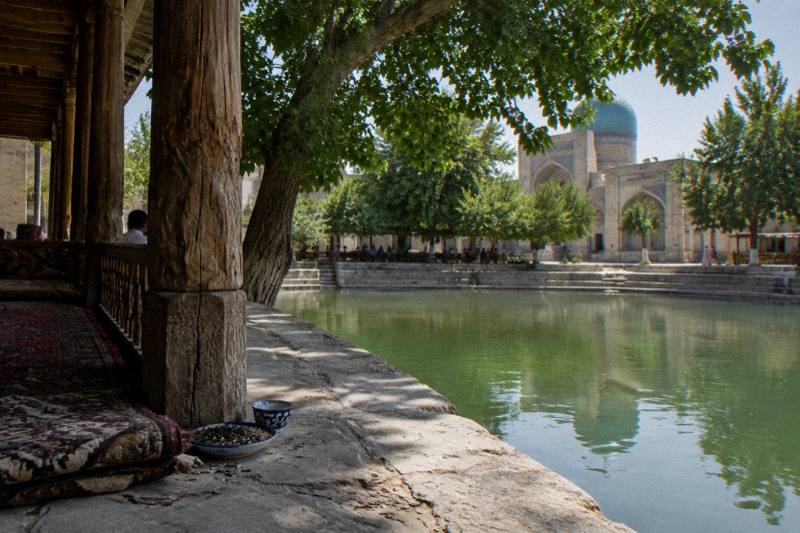
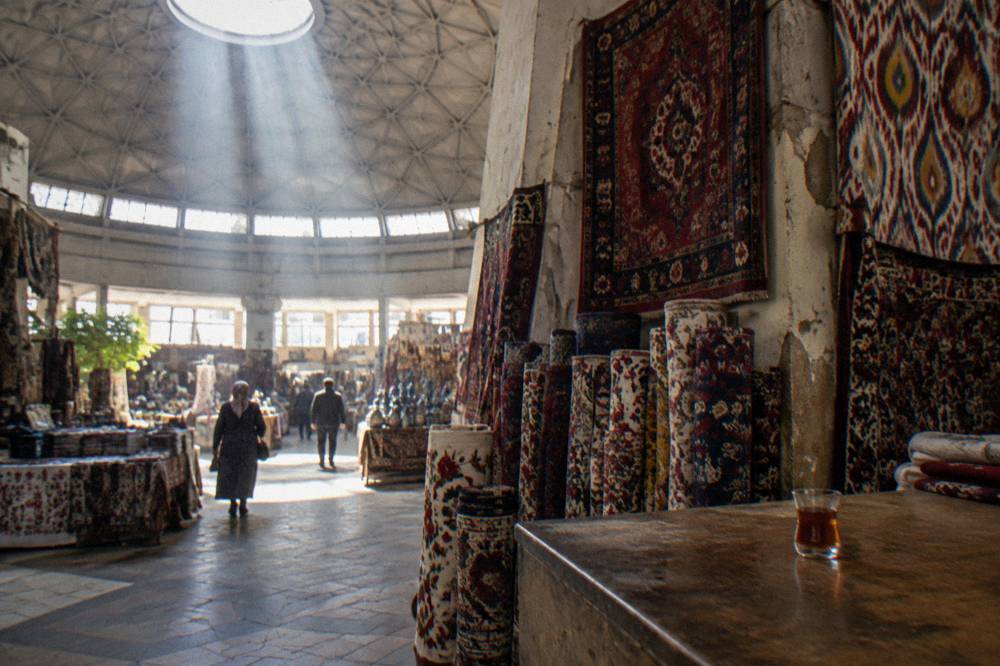
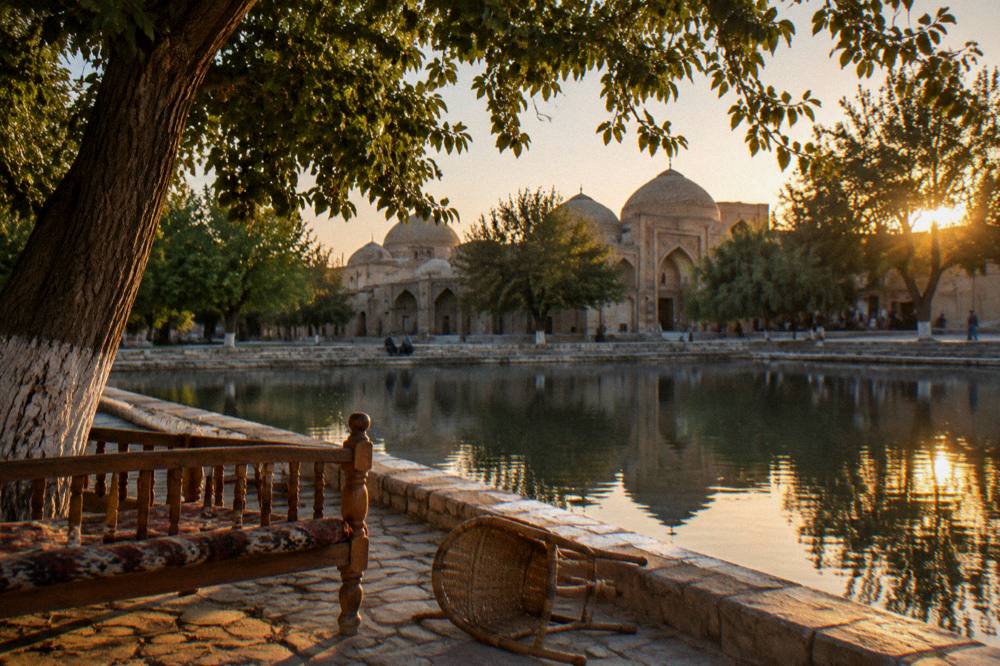
The trading domes, the toki, are the experience that makes Bukhara different from Samarkand. These are covered crossroad markets where merchants have traded for centuries, and they still trade: carpet sellers, suzani embroiderers, knife makers, spice stalls, hat makers. A good guide points you to the workshops behind the retail front, where you can watch artisans at work. Lyabi-Hauz, the pool-side square at the southern end, is where tours usually end, with tea houses under mulberry trees, and it is the natural place to sit down afterward with a pot of green tea.
How Much Does A Bukhara Tour Cost?
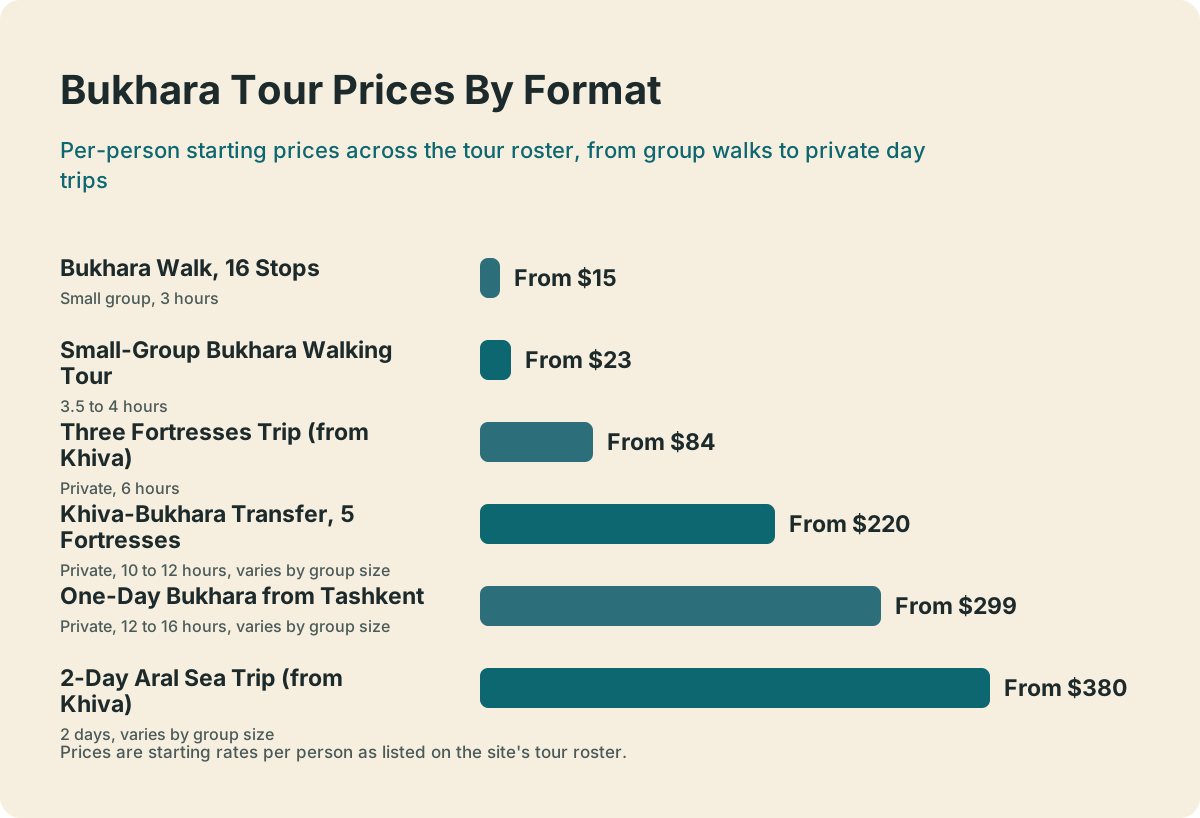
Bukhara tours on this site's roster run from $15 to $299 per person depending on format. Small-group walking tours cost from $15 to $23, a private Khiva-to-Bukhara transfer with fortress stops starts at $220, and a private one-day tour from Tashkent starts at $299 with hotel pickup listed. Prices marked as varying by group size fall as your party grows.
Here is the full set of Bukhara-area listings, with the figures exactly as each listing states them:
| Tour | Format | Duration | Price | Rating |
|---|---|---|---|---|
| Small-Group Bukhara Walking Tour | Small group | 3.5 to 4 hours | From $23 per person | 4.9 from 633 reviews |
| Bukhara Walk, 16 Stops | Small group | 3 hours | From $15 per person | 4.9 from 203 reviews |
| One-Day Bukhara, Hotel Pickup (from Tashkent) | Private | 12 to 16 hours | From $299 per person, varies by group size | 4.7 from 50 reviews |
| Khiva-Bukhara Transfer, 5 Fortresses | Private | 10 to 12 hours | From $220 per person, varies by group size | 5.0 from 111 reviews |
| Three Fortresses Trip, Meal (from Khiva) | Private | 6 hours | From $84 per person | 4.7 from 151 reviews |
| 2-Day Aral Sea Trip (from Khiva) | Listed format | 2 days | From $380 per person, varies by group size | 4.9 from 61 reviews |
Two things stand out in that table. First, the two walking tours are close in price and both rate 4.9, so the choice between them comes down to depth and group style rather than cost. Second, the day trip from Tashkent costs more than ten times the walking tour, and that premium buys logistics, not better sightseeing: you see largely the same old town either way. The Khiva-to-Bukhara transfer tour is a different animal entirely, a scenic overland link between the two western cities with five ancient fortress sites and a lake stop along the way, and it suits travelers moving west to east across the country.
When you weigh these against a do-it-yourself day, remember the extras a tour absorbs. A licensed guide hired independently starts from about $70 for a full day, entry fees at the Ark and other sites run a few dollars each, and your time has a cost too. If you want the stories and the orientation, the group walks deliver them at a fraction of the independent-guide rate.
Walking Tour In Bukhara Or Day Trip From Tashkent: Which Fits Your Trip?
Choose a walking tour in Bukhara if you are already sleeping in the city, which most Silk Road itineraries allow. Choose the day trip from Tashkent only if your schedule cannot include an overnight, because it spends roughly four hours of its 12 to 16 hours on trains and transfers, leaving a compressed old town visit with a private guide.
The arithmetic matters here. The high-speed Afrosiyob train covers Tashkent to Bukhara in about 3 hours 50 minutes to 4 hours 20 minutes, and the day trip builds its schedule around those runs. You gain a full guided circuit of the old town, hotel pickup is listed on the listing, and the tour is private, so the pace bends to you. What you lose is evening light at Lyabi-Hauz, the dinner crowd in the old town, and the slow morning hours when the domes are empty of other visitors. If those matter, sleep in Bukhara.
The two small-group walks suit the overnight traveler. The related tour on this page, the small-group ancient city walking tour, runs 3.5 to 4 hours from $23 per person, rates 4.9 from 633 reviews, and lists free cancellation. Check availability on the operator's listing for your dates. It is the most reviewed tour on this site's Bukhara roster, and the review pool is large enough that the 4.9 means something.
There is a third pattern worth naming: arriving overland from Khiva. Travelers coming east from Khiva often assume they must back track to Urgench and fly, but the private transfer tour turns the drive itself into a sightseeing day, stopping at five ancient fortress sites in the Kyzylkum desert fringe plus Akchakul Lake. It runs 10 to 12 hours, starts from $220 per person with the price varying by group size, rates 5.0 from 111 reviews, and lists pickup and free cancellation. For a trip built around the western cities, it beats a bare transfer.
How Many Days Do You Need For Bukhara?
Most travelers need two full days in Bukhara: one for the Ark, Poi Kalyan and the trading domes at a relaxed pace, and one for the outer sights such as the summer palace, a craft workshop or a fortress side trip. With one day you can cover the old town core well; three days is only worth it if you want a very slow, café-heavy stay.
One day done properly looks like this: a morning walking tour covering the four anchors, lunch near Lyabi-Hauz, an afternoon revisiting whatever the tour moved through quickly, and an evening stroll when the tilework glows and the crowds thin. That single day is genuinely enough for the old town itself, which is compact and mostly pedestrian. Our longer look at this question, is two days in Bukhara enough, works through the tradeoffs in detail.
The second day pays off for the sights beyond walking distance and for the experiences that need unhurried time: the summer palace on the city's edge, a bread or embroidery workshop, and the bazaars where locals actually shop rather than the souvenir domes. Travelers pairing Bukhara with Khiva should also read which is better, Khiva or Bukhara, because the honest answer depends on pace and interest, not on one city being simply superior.
| Days in Bukhara | What fits comfortably | Best tour pairing |
|---|---|---|
| Half day | Ark or Poi Kalyan plus one dome row | Bukhara Walk, 16 Stops (3 hours) |
| One day | All four anchors, guided, plus tea house time | Small-Group Bukhara Walking Tour |
| Two days | Full old town plus summer palace and workshops | Walking tour on day one, independent day two |
| Three or more | Slow pace, day trips to fortresses or the desert | Add the Three Fortresses trip from nearby bases |
If you are short on total trip time rather than Bukhara-specific time, the guide on how many days in Uzbekistan is enough is the better starting point, since the real constraint on most itineraries is the distance between the four great cities.
What Is The Ark Fortress And How Do You Visit It?
The Ark is Bukhara's original walled citadel, a fortress that housed the city's rulers through the Silk Road era and now holds a spread of museum exhibitions inside its gates. Entry runs about 60,000 som, roughly five US dollars, and a typical visit takes about an hour with a guide bringing the otherwise plain buildings to life.
The approach is part of the effect. You face a long sloping ramp leading to a raised ceremonial gateway, a piece of defensive theater designed to make every arrival feel small. Inside, the courtyards and halls house exhibits on court life, reception ceremonies and the city's history. The buildings themselves are mostly brick and restraint, so the exhibition labels and your guide's telling carry the visit. Go with someone who knows the stories, or the Ark can read as an hour of empty rooms.
Practical notes: pay cash in som, since monument ticket offices are cash-only, and assume the fee will drift upward over time, as prices at Uzbekistan's museum-reserves have been rising. An exchange rate of about 11,900 som per US dollar in October 2026 makes the entry roughly the price of a coffee back home. Photography is generally permitted in the courtyards, but check for signs inside the exhibition halls, and the ramp and uneven paving call for comfortable shoes.
How Do You Get To Bukhara: Train, Flight Or Road?
The fast route to Bukhara is the Afrosiyob high-speed train from Tashkent, taking about 3 hours 50 minutes to 4 hours 20 minutes, with several departures a day. Domestic flights serve the corridor too, and overland options include the private Khiva-to-Bukhara transfer tour with fortress stops, which turns the long western drive into a sightseeing day.
Train booking is the detail travelers trip over. Tickets open on the railway's official e-ticket site roughly 30 to 45 days ahead, foreigners buy with passport details, and international cards work with varying success, so have a backup plan. The site is eticket.railway.uz, and checking live times there beats any secondhand timetable, since departures shift seasonally. Our full guide to Uzbekistan by train, Afrosiyob, Sharq and the Khiva line covers the whole rail network, including the new reported service through to Khiva.
If you are combining the two western cities, the road option deserves a hard look. The private transfer tour from Khiva runs 10 to 12 hours, rates 5.0 from 111 reviews, and lists pickup and free cancellation, with the price from $220 per person varying by group size. Five ancient fortress sites lie along the corridor, remnants of the Silk Road's desert outposts, plus a lake stop that breaks the drive. Compared with a bare car transfer, the premium buys a full day of guided sightseeing on a route you would drive anyway.
For flight arrivals, domestic services connect Tashkent with the western cities in about an hour and a half, and minimum one-way fares run about 442,000 to 484,000 som. Flights make sense when train times do not line up with your itinerary, but for the Tashkent-Bukhara leg specifically, the train is usually the calmer choice: city center to city center, no airport transfer, and a schedule stable enough to plan around.
What Are The Trading Domes And The Old Town Like On Foot?
The trading domes are Bukhara's covered crossroad markets, centuries old, where the old town's merchant life still runs out in the open: carpets, suzani embroidery, spices, knives and hats, with artisan workshops tucked behind the retail stalls. On foot the whole old town is a single compact zone, crossed end to end in about half an hour at a stroll.
This is the part of Bukhara that no other Silk Road city matches in the same way. Samarkand has the grander monuments; Bukhara has the living fabric, a street plan where the monuments sit inside a working bazaar district rather than apart from it. Walk the domes slowly. Look for the workshop doors on the side passages, where metalsmiths and embroiderers work within earshot of the stalls selling their output, and where a small purchase supports a craft chain you can actually see.
Haggling is expected in the domes but gentle; a first counter-offer at roughly two-thirds of the asking price is a normal opening, and walking away is a legitimate move that often summons a better number. Quality varies more than price does, so if a carpet or suzani is a serious purchase, a guide's steer toward established workshops is worth having. The two walking tours on the roster both route through the domes, and the shorter option, the 3-hour, 16-stop old town walk, is built precisely for travelers who want the maximum ground covered efficiently, from $15 per person with a 4.9 rating from 203 reviews.
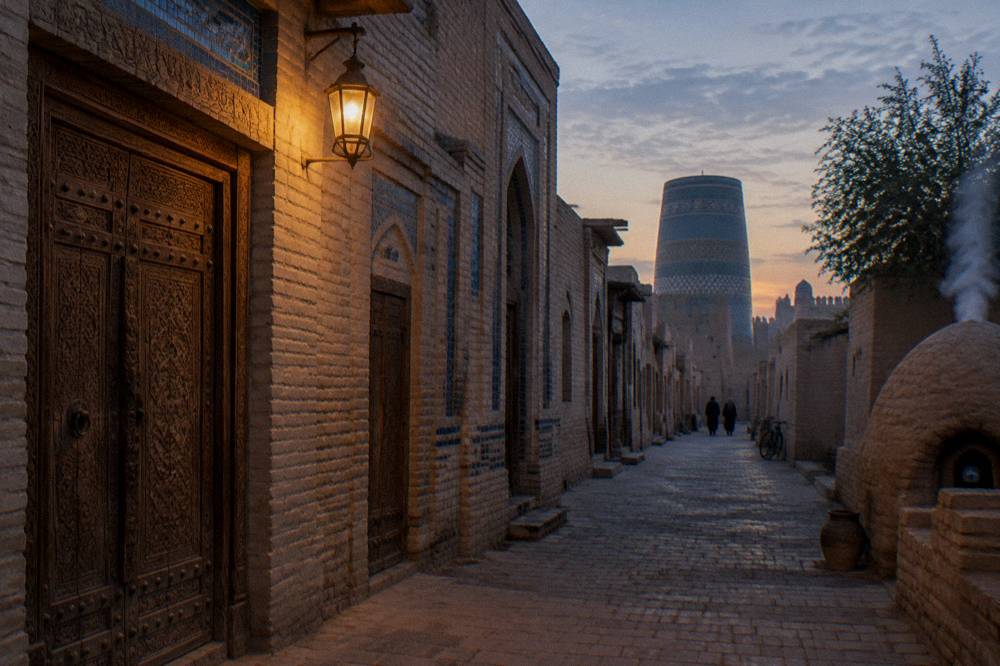
Beyond the domes, the old town's back lanes reward aimlessness. Medressah courtyards open into quiet arcades, neighborhood tea houses spill onto the street, and the scale stays human throughout: two and three story facades, mulberry trees, pools. The Lyabi-Hauz square at the end of the spine is the natural finish, and in the evening it becomes the old town's living room. Give it an hour with a pot of tea and watch the light come off the surrounding buildings.
When Is The Best Time Of Year To Tour Bukhara?
Spring, from April to May, and autumn, from September to October, are the best times to tour Bukhara, with mild temperatures suited to long walking days. Summer is seriously hot, winter is cold at night with occasional fog or snow, and the peak seasons bring higher hotel prices and bigger crowds at the domes and Poi Kalyan.
The old town's sightseeing is almost entirely outdoors, walking between monuments and through uncovered bazaar lanes, so temperature tolerance is the main planning variable. The shoulder seasons also line up with the region's calendar. The Silk and Spices Festival fills Bukhara's historic center around late May or early June in its recent editions, and Navruz on 21 March opens the spring season with public celebrations. Dates for the variable festivals shift year to year, so confirm them against official tourism channels before you lock a trip around one.
One entry-side note that matters for Americans planning the trip: US citizens may enter Uzbekistan visa free for stays up to 30 days from 1 January 2026 under the announced decree, and hotels register you automatically, per the official tourism ministry announcement. Check the current entry rules before you book regardless, since requirements can change, and our dedicated guide to the Uzbekistan visa for US citizens covers the details.
| Season | Conditions in Bukhara | What it means for a tour |
|---|---|---|
| Spring, April to May | Mild days, blooming gardens | Peak season, book walking tours early |
| Summer, June to August | Very hot, dry | Tour early morning, discounts possible |
| Autumn, September to October | Mild, harvest markets | Peak season, the most popular window |
| Winter, December to February | Cold nights, some fog or snow | Thin crowds, some reduced hours |
Should You Book A Guided Tour Or Explore Bukhara Independently?
Explore independently if you enjoy research and just want the sights; book a guided tour if you want the stories, the context and the workshop doors pointed out to you. At $15 to $23 per person for a small-group walk, the guided option costs less than a single museum entry in most Western capitals, which makes it an easy call for most travelers.
The honest case for independence: Bukhara's old town is flat, compact and forgiving, the main anchors are impossible to miss, and English-language signage has improved. A traveler with a good map and a free afternoon will see the Ark, Poi Kalyan and the domes without any help. The case for a guide is depth. The city's buildings are quiet about their own significance, and a guide who knows which courtyard held what, which trade dominated which dome, and which workshop still runs a family craft turns a pleasant walk into the thing you actually came for.
The format choice follows from your trip shape. Already overnighting in Bukhara? Take a small-group walk on day one for orientation and stories, then explore solo on day two with your bearings set. Based only in Tashkent with a spare day? The private day trip handles the trains and timing for you, from $299 per person with hotel pickup and free cancellation listed, rating 4.7 from 50 reviews. Traveling overland from Khiva? The fortress transfer tour folds the journey and the sightseeing into one day. Whichever shape fits, the planning resources on Uzbekistan Tour Packages, including our guide to private versus small group tours in Uzbekistan, walk through the tradeoffs in more depth.
A final word on expectations. Bukhara is a working city whose old town also happens to be a monument zone, and the two coexist: delivery scooters share the lanes with tour groups, and some facades sit mid-restoration. Restoration work continues across Uzbekistan's heritage sites under state programs, with no widespread closures of the key Bukhara complexes reported for 2026. Go for the ensemble rather than perfection, and the city delivers.
Common Questions About Bukhara Tours
How much does a Bukhara tour cost?
Small-group walking tours of the old town run from $15 to $23 per person for about three to four hours. A private one-day tour from Tashkent starts at $299 per person over 12 to 16 hours, with hotel pickup and free cancellation listed. The private Khiva-to-Bukhara transfer with five fortress stops starts at $220 per person, with the price varying by group size.
Can you see Bukhara on a day trip from Tashkent?
Yes, but it is a long day. The Afrosiyob train covers Tashkent to Bukhara in about 3 hours 50 minutes to 4 hours 20 minutes each way, so a day trip spends a large share of its 12 to 16 hours in transit. It works for travelers who cannot overnight in Bukhara; everyone else should sleep in the city and take a walking tour there.
What should a Bukhara tour include?
The four anchors are the Ark fortress, the Poi Kalyan complex, the covered trading domes and the Lyabi-Hauz pool square. All four sit inside the walkable old town. A good tour also points out artisan workshops behind the domes and gives the stories behind the buildings, which is where a guide earns their fee.
How many days do you need in Bukhara?
One full day covers the old town core well. Two days allow a relaxed pace plus the summer palace, workshops or a fortress side trip. Three or more days suits travelers who want a slow, café-heavy stay or plan day trips into the surrounding region.
Is a guided tour of Bukhara worth it?
For most travelers, yes. At $15 to $23 for a small-group walk, the cost is modest, and Bukhara's buildings are quiet about their own history, so the guide's storytelling and workshop knowledge are what turn a stroll into the experience you came for. Independent exploration also works for well-researched travelers with time to spare.
When is the best time to visit Bukhara?
April to May and September to October offer mild walking weather and the biggest crowds. Summer is very hot and dry, winter is cold at night with occasional fog or snow. The Silk and Spices Festival usually fills the historic center in late May or early June in its recent editions; confirm dates with official channels before planning around it.