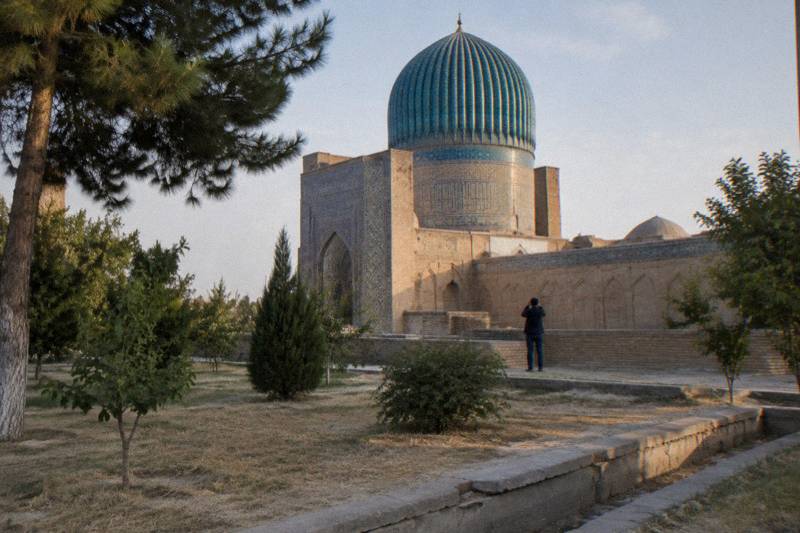
Samarkand Tour: Registan, Shah-i-Zinda And Bibi-Khanym
Samarkand's three headline monuments sit within a few kilometers of each other, and the difference between a rushed visit and a memorable one is almost entirely about sequencing, timing and what your guide adds at each stop.
Short answer
A Samarkand tour built around the Registan, Shah-i-Zinda and Bibi-Khanym needs about four to seven hours. A 4-hour city tour starts from $18 per person, a private tour with transport from $75 per person, and a full day trip from Tashkent from $178 per person. Registan entry runs about 70,000 to 100,000 som.
Samarkand is about 2,500 years old as widely cited, and for most visitors the entire reason for the trip comes down to three places: the Registan ensemble, the Shah-i-Zinda necropolis and the Bibi-Khanym Mosque. The city sprawls, the summer heat is real, and the monuments close at predictable hours, so the order in which you see them matters more than almost anything else about the day. This guide walks through what each site actually is, how a well-built Samarkand tour sequences them, what entry fees really cost, and how the bookable tours on this site compare on price, duration and format. The age claim gets repeated in every guidebook, so before you take it at face value, the case for calling Samarkand the world's oldest city lays out what the evidence actually supports.
What Are The Three Must-See Monuments On A Samarkand Tour?
The three headline monuments of Samarkand are the Registan ensemble, the Shah-i-Zinda necropolis and the Bibi-Khanym Mosque, and a tour that covers all three comfortably needs about four to seven hours with transport, or longer on foot. All three sit within a few kilometers of each other, each belongs to a different era of the city's Timurid and pre-Timurid past, and each rewards a guide who can read the tilework and the legends attached to it.
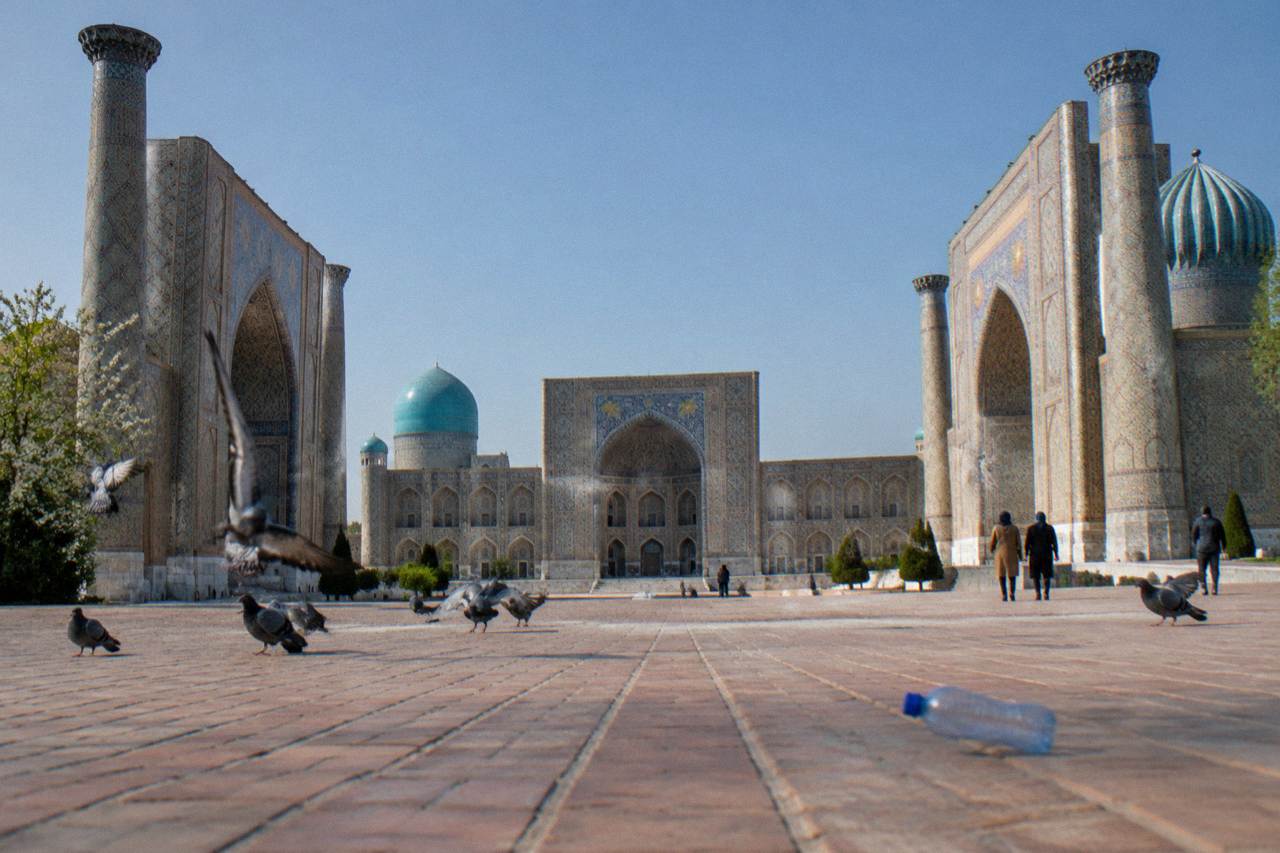
The Registan is the postcard. Three madrasahs, the Ulugh Beg, the Sher Dor and the Tilya-Kori, frame a single square, and the ensemble was the civic heart of the city for centuries. Ulugh Beg, the astronomer-king, built his madrasah here during his reign, and it functioned as one of the Islamic world's leading centers of learning. The Sher Dor across from it carries tigers chasing deer in defiance of the Islamic aniconism of the period, and the Tilya-Kori closes the square with a gilded interior chamber. Standing in the middle at opening time, before the crowds thicken, is the single best photographic moment a Samarkand tour can offer.
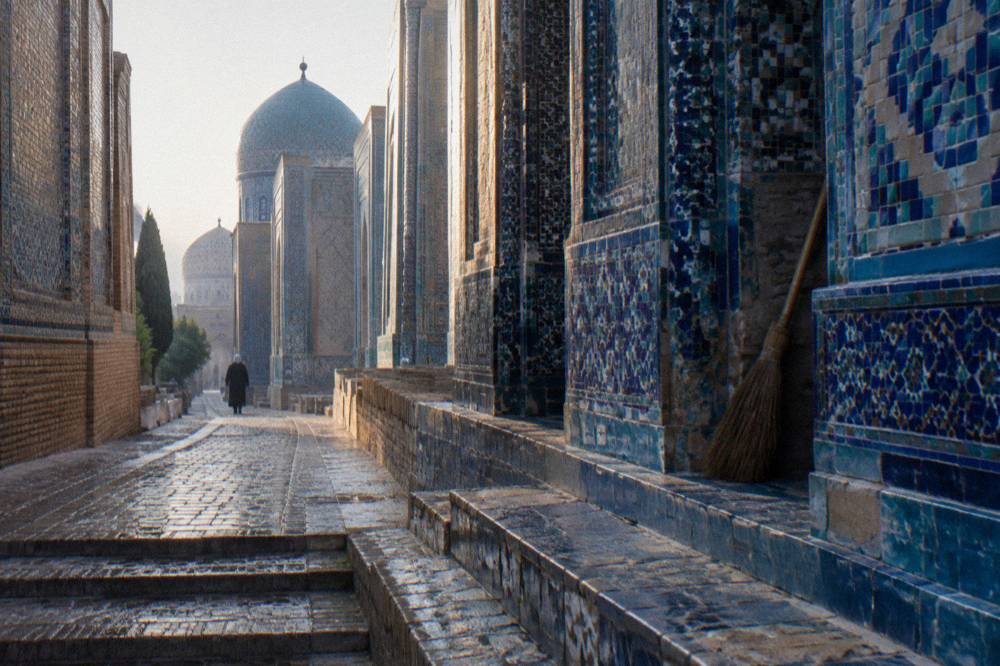
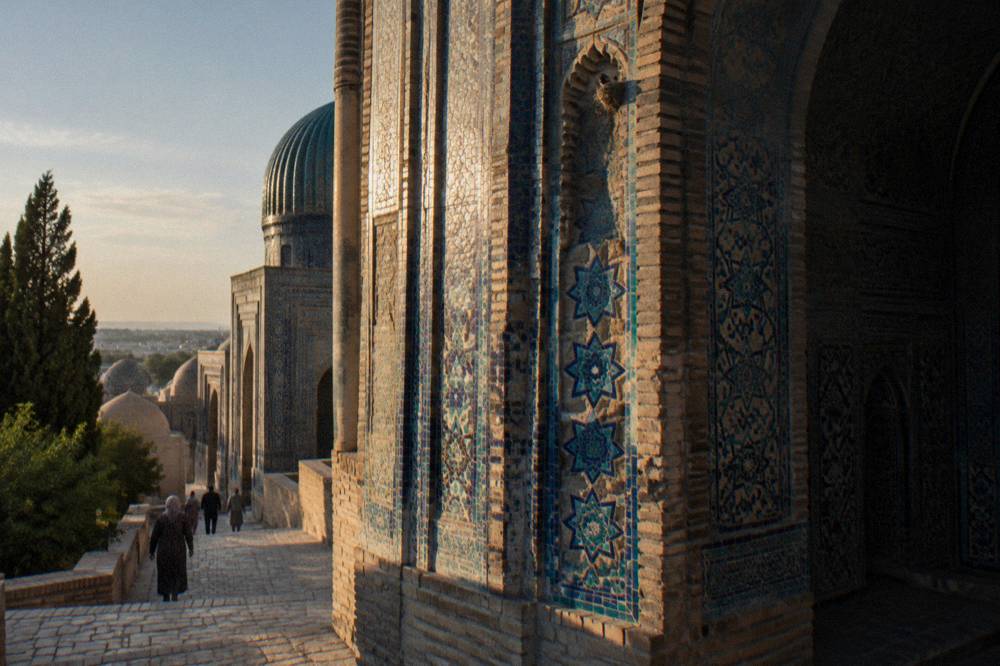
Shah-i-Zinda is a completely different experience. It is a street of mausoleums, an avenue of tiled funerary portals climbing a slope, with the grave of Qusam ibn Abbas, a cousin of the Prophet Muhammad according to the tradition, at its head. The site grew over centuries, and the oldest tombs sit closest to the shrine while later dynasties added their own elaborate façades further down. The tilework here is finer and more varied than at the Registan, and the narrowness of the avenue makes it feel intimate rather than monumental. Cover your head inside the shrine section out of respect.
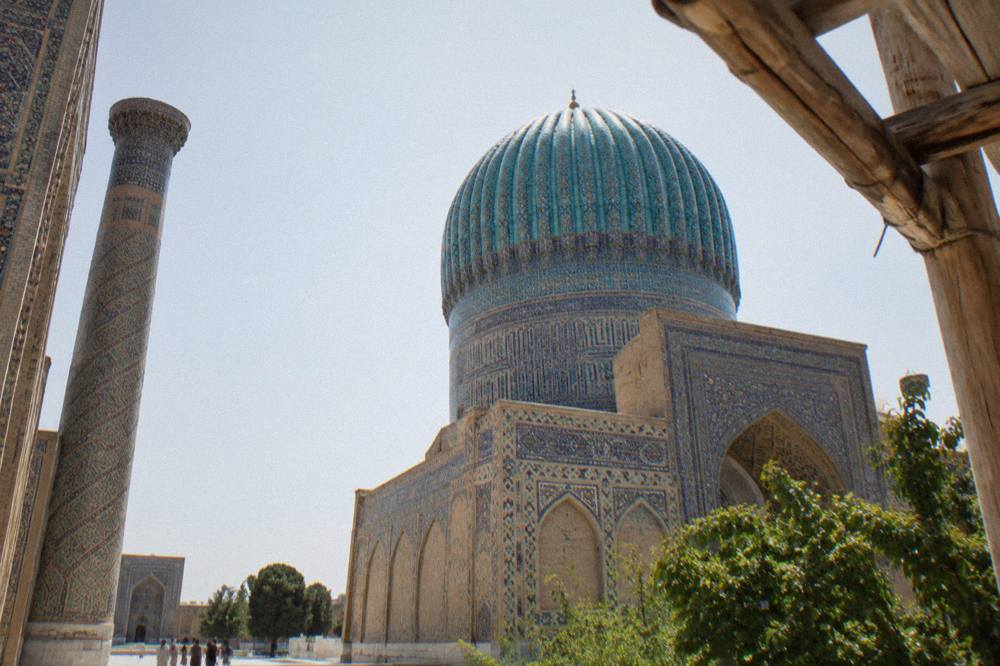
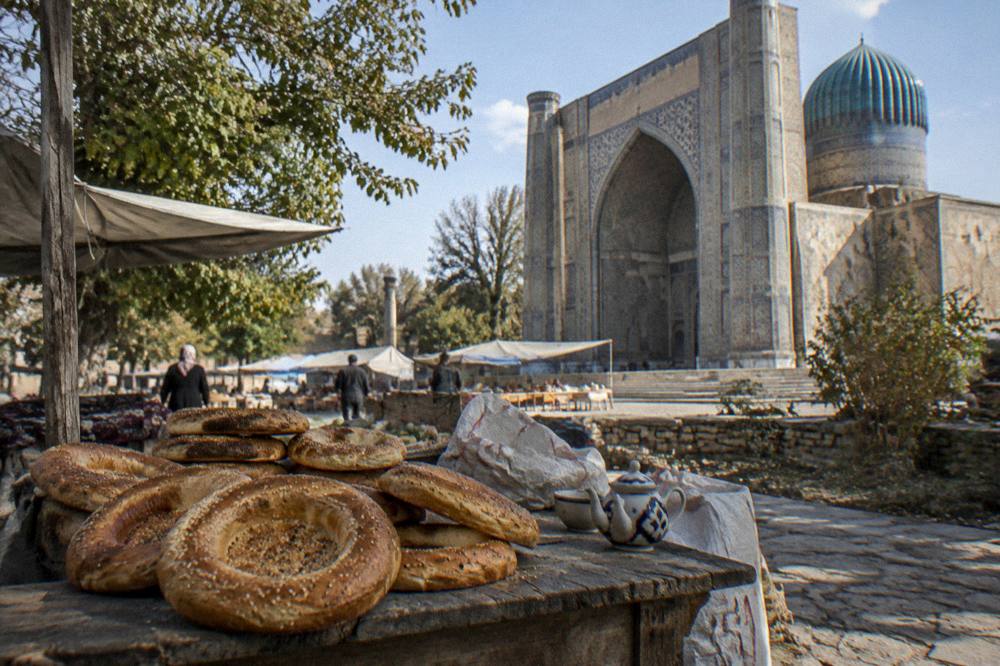
Bibi-Khanym Mosque was, at the time of its construction under Timur, one of the largest mosques in the Islamic world. Timur ordered it for his favorite wife, the story goes, and it was built at breakneck speed, which is part of why it has been falling down and being rebuilt ever since. The vast iwan with its cracked arch is a lesson in architectural hubris, and the smaller nearby mausoleum of Bibi-Khanym herself, where women traditionally pray for family, is often the quieter and more moving stop. The Siyob Bazaar next door belongs on any visit, for fruit, nuts and the bread the city is famous for. All this Timurid grandeur rests on a much older story, and our look at whether Samarkand truly is the world's oldest city digs into what the evidence actually supports.
Most multi-day Uzbekistan itineraries give Samarkand at least a full day, and if you are still deciding how the city fits a wider route, the Uzbekistan itinerary guide on days and routes breaks down the trade-offs.
How Should A Samarkand Tour Sequence The Registan, Shah-i-Zinda And Bibi-Khanym?
The strongest sequence is Bibi-Khanym and Siyob Bazaar first, Shah-i-Zinda second and the Registan last, because the bazaar and mosque open early, Shah-i-Zinda is five minutes from them on foot, and the Registan is at its best in late-afternoon light when the day-trip crowds from Tashkent have already headed back to the train station. Reversing the order works, but it puts you at the Registan at its most crowded midday hour.
The geography makes the logic plain. Bibi-Khanym, Siyob Bazaar and Shah-i-Zinda sit in a tight cluster on the northeast side of the old city, all within an easy walk of one another. The Registan stands a kilometer and a half away, at the western end of the historic core. A tour that starts at the cluster and works west covers everything in one clean line instead of doubling back.
Timing matters as much as direction. Day tours from Tashkent arrive on morning trains, and their groups hit the Registan between late morning and early afternoon, which is exactly when the square is most packed. A local tour that saves the Registan for around 4 p.m. gets you softer light for photographs and far fewer selfie sticks. The trade-off is that the Registan interiors close in the evening, so confirm the closing hour with your guide that morning.
A useful plan for a full day, the kind a private tour can be shaped around:
| Time | Stop | Why then |
|---|---|---|
| 8:30 to 9:30 | Siyob Bazaar and Bibi-Khanym Mosque | Bazaar at its liveliest, mosque cool and empty |
| 9:30 to 11:30 | Shah-i-Zinda necropolis | Full morning light on the tiled avenue, shade in the lanes |
| 12:00 to 13:30 | Lunch and Afrosiab or Gur-e Amir add-on | Midday heat spent indoors |
| 14:00 to 15:30 | Craft workshop or paper mill | Rest from walking, a hands-on break |
| 16:00 to 18:00 | Registan ensemble | Low sun on the façades, thinner crowds |
If your time is short, read how many days in Uzbekistan is enough before you commit to a pace, and if Samarkand is one stop among several, the piece on which cities to include, Samarkand, Bukhara or Khiva puts the three old cities side by side.
The three tours below are the strongest fits for this sequence, a private tour with transport inside the attractions, a monuments-focused walking tour, and a one-day option from Tashkent if you are not staying overnight in the city.
How Much Does A Samarkand Tour Cost?
Samarkand tours on this site run from $15 per person for a small-group walking tour of the historical monuments to $229 per person for a full one-day trip from Tashkent with hotel pickup, with the private city tour including transport inside attractions at from $75 per person, price varying by group size. Half-day formats cluster between $15 and $29, and full-day or from-Tashkent formats run to the low hundreds.
The cheap end of the market is genuinely good here. The small-group walking tour format, at $15 per person and 4 to 4.5 hours, is the lowest price on the entire site roster, and it carries a 4.9 rating from 1,104 reviews. What you give up at that price is transport between sights and the private guide-to-yourself experience. Samarkand's core is walkable, so plenty of visitors do exactly this tour and are happy.
The premium step is a private tour with a vehicle. The featured option on this page, the Private Samarkand City Tour with Transport: Inside Attractions, runs 5 to 7 hours, from $75 per person with the price varying by group size, holds a 5.0 rating from 219 reviews, and lists pickup and free cancellation. This is the format that lets you dictate the sequence from the section above, run late at the Registan, and skip the walk between clusters in summer heat. Check availability beside the site's own private Samarkand tour page if that format fits.
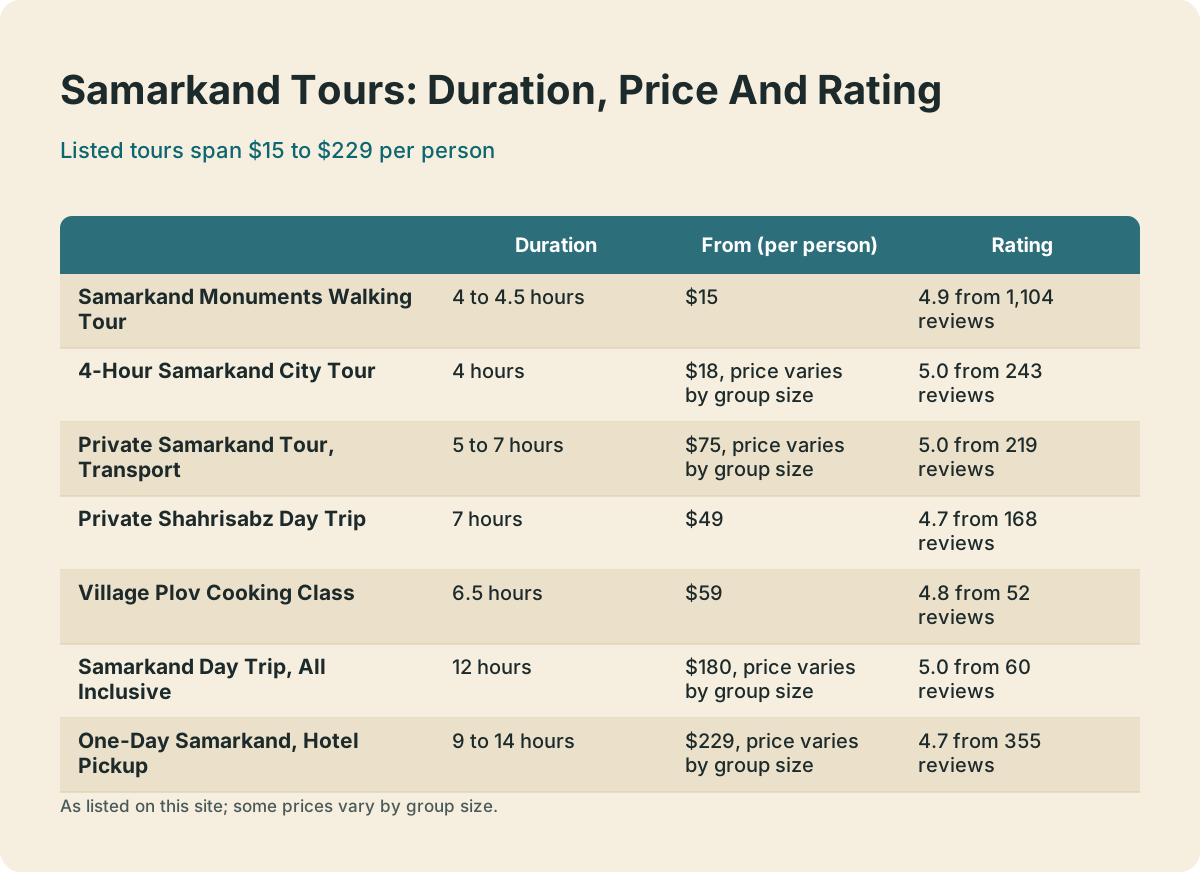
| Tour | Format | Duration | From (per person) | Rating |
|---|---|---|---|---|
| Samarkand Monuments Walking Tour | Small group | 4 to 4.5 hours | $15 | 4.9 from 1,104 reviews |
| 4-Hour Samarkand City Tour | On listing | 4 hours | $18, price varies by group size | 5.0 from 243 reviews |
| Private Samarkand Tour, Transport | Private | 5 to 7 hours | $75, price varies by group size | 5.0 from 219 reviews |
| Private Shahrisabz Day Trip | On listing | 7 hours | $49 | 4.7 from 168 reviews |
| Village Plov Cooking Class | On listing | 6.5 hours | $59 | 4.8 from 52 reviews |
| Samarkand Day Trip, All Inclusive | On listing | 12 hours | $180, price varies by group size | 5.0 from 60 reviews |
| One-Day Samarkand, Hotel Pickup | Private | 9 to 14 hours | $229, price varies by group size | 4.7 from 355 reviews |
Prices are US dollars as shown on each operator's live listing, and per-person figures for private formats fall as group size rises, which is why several rows carry the "varies by group size" note. If you are weighing a day trip from Tashkent against an overnight stay, this site's breakdown of private versus small-group tours in Uzbekistan covers the wider trade-offs.
Is A Half-Day Or Full-Day Samarkand Tour Better?
A half-day tour of about four hours covers the three headline monuments at a walk-and-look pace, while a full day of five to seven hours or more adds the Gur-e Amir, Afrosiab, a craft workshop and unhurried time at the Registan. Choose half a day only if you are connecting through Samarkand on a tight train schedule or have seen the city before; otherwise the full-day format earns its price.
The honest math is about interiors and hours. The Registan alone can absorb two hours if you go inside all three madrasahs and pay for the minaret or observation options on site. Shah-i-Zinda rewards slow walking and the small museum at the top. Bibi-Khanym plus Siyob Bazaar is at least ninety minutes together. Add transfers, tickets and a lunch stop and the three-monument core is already five hours, before a single add-on.
A half-day tour makes sense in two specific cases. The first is the transit passenger: you arrive on a morning Afrosiyob from Tashkent, about two hours to two and a half hours on the fast train, and depart in the evening. The second is the visitor who has already been through the city and wants only a refresher with a guide. For everyone else, the difference between a 4-hour and a 6-hour tour is the difference between seeing Samarkand and understanding it, and the private formats on the roster are built for exactly that stretch.
What the two formats typically cover:
| Element | Half day, about 4 hours | Full day, 5 to 7 hours |
|---|---|---|
| Registan ensemble | Square and exteriors | Square plus all three madrasah interiors |
| Shah-i-Zinda | Full avenue at a steady pace | Full avenue plus shrine and museum |
| Bibi-Khanym Mosque | Photo stop and main iwan | Mosque plus Siyob Bazaar and mausoleum |
| Gur-e Amir | Usually skipped | Standard inclusion |
| Afrosiab site | Skipped | Often included |
| Craft stop | Skipped | Optional add-on |
| Pacing | Steady to brisk | Relaxed, with a lunch break |
Two adjacent sites deserve the extra hours. Gur-e Amir, Timur's own mausoleum, is the blueprint for the Taj Mahal and takes under an hour. The Afrosiab excavation area, on the site of the ancient city, holds a museum of frescoes that predate everything else you will see. Neither fits in a compressed half day, and both are standard on longer private itineraries.
How Much Are Entry Fees At The Registan, Shah-i-Zinda And Bibi-Khanym?
Entry fees for foreign visitors run about 70,000 to 100,000 som, roughly $6 to $8, for the Registan ensemble, with reports of recent increases, and monument fees in Uzbekistan generally rise year over year, so treat every figure here as an about-range and check on site or with your tour operator for the current price. Some tours include entrance fees and some do not; verify on the live listing before you book.
The som traded at about 11,900 per US dollar in October 2026, which is the conversion used for the dollar figures here. Fees at Uzbek monuments are commonly charged in som, often payable in cash at the gate, and card acceptance at ticket windows is unreliable, so carry notes. The Registan has moved to individual monument tickets inside the ensemble rather than one simple square-only price in some recent seasons, and secondary reports note price increases, so budget at the top of the range and be pleasantly surprised. Everything else covered here is indexed on Uzbekistan Tour Packages.
| Monument | Approximate entry, foreign adults | Notes |
|---|---|---|
| Registan ensemble | About 70,000 to 100,000 som, about $6 to $8 | Recent increases reported; interiors ticketed separately |
| Bibi-Khanym Mosque | Posted on site; check the gate | Small additional fee for the mausoleum in some seasons |
| Shah-i-Zinda | Posted on site; check the gate | Shrine section free, head covering expected |
| Gur-e Amir (reference) | Posted on site; check the gate | Often paired on full-day tours |
Whether these fees are inside your tour price depends on the listing. Among this site's Samarkand roster, the walking tours at $15 to $18 are guide-only formats and entrance fees are extra; the all-inclusive day trip from Tashkent at $180 is the format most likely to bundle entrances, but read the inclusions line on the listing itself before assuming. The general rule across multi-day Uzbekistan packages is similar, and the site's guide on what is included in an Uzbekistan multi-day tour maps the typical inclusion set.
Should You Visit Samarkand On A Day Trip From Tashkent?
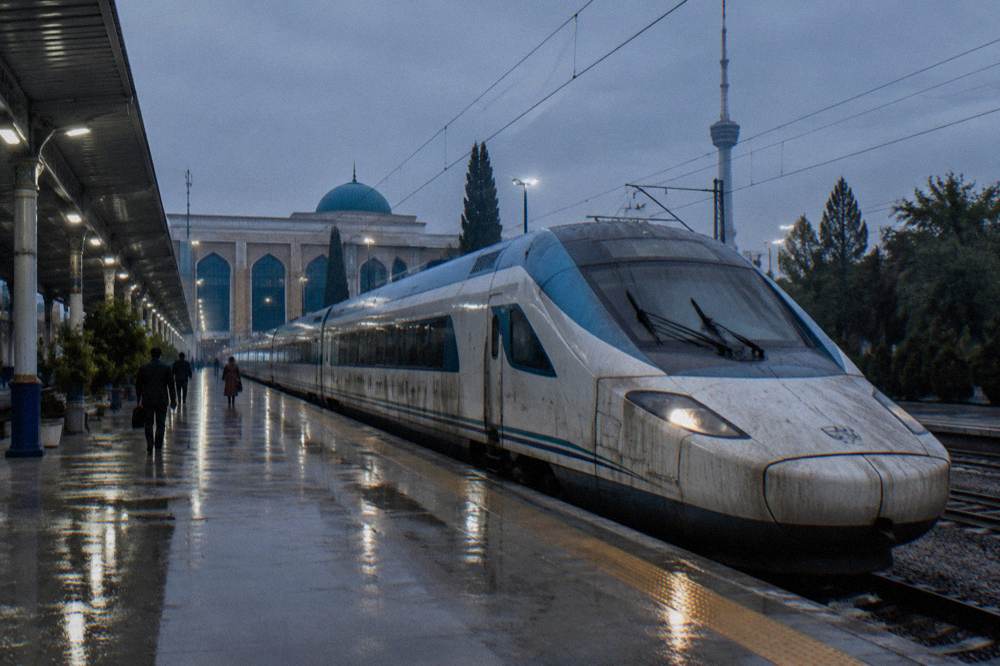
Yes, a day trip works if you cannot overnight in Samarkand: the fast train covers Tashkent to Samarkand in about two to two and a half hours, and the site's day-trip tours run from $178 to $229 per person for 9 to 14 hours door to door, several with hotel pickup and free cancellation. But an overnight stay gives you the Registan in evening light and early morning, which a day trip structurally cannot.
The train has changed this calculation. With about five or more Afrosiyob departures a day on the corridor, a day-tripper can leave Tashkent early, arrive mid-morning, tour for six or seven hours and return on an evening service, all without a hotel booking. The train piece on this site, Uzbekistan by train, Afrosiyob, Sharq and the Khiva line, covers fares and booking windows in detail; rail prices are secondary-source ranges, so print nothing exact from memory.
The roster's day-trip tier is genuinely competitive. The Samarkand All Inclusive Day Tour from Tashkent, 12 hours, from $180 per person with the price varying by group size, holds a 5.0 rating from 60 reviews and lists a meal. The One-Day Samarkand tour with hotel pickup, private, 9 to 14 hours, from $229 per person, carries a 4.7 from 355 reviews, one of the largest review pools on the roster. A no-pickup one-day option starts at $178. All three list free cancellation.
The honest limitation of any day trip is the light. You arrive as the Registan crowds peak and leave before the façades turn gold in the late afternoon. Travelers who can shift one night into Samarkand get the square almost alone at 8 a.m., and the city's hotel stock is priced well below what the monument quality would suggest. If the schedule forces the day trip, book the earliest train you can and a tour that starts at the station.
What Do Guides Add At Each Monument?
A guide adds the most at Shah-i-Zinda and the Registan interiors, where the meaning is in the tilework symbolism, the tomb occupants and the restoration history rather than on any plaque, and the least at Bibi-Khanym, whose story a good guide tells in ten minutes but whose ruin largely speaks for itself. Licensed city guides typically cost from about $70 for a full day if hired directly, which is the reference point for judging tour pricing.
Shah-i-Zinda without a guide is a beautiful alley with anonymous tombs. With one, the avenue becomes legible: which portal belongs to a Timurid-era emir, which tile technique is original versus Soviet-era restoration, which legend explains the name, the Living King. The same is true inside the Registan's madrasahs, where the courtyards, the Ulugh Beg observatory legacy and the Tilya-Kori's gilded hall each carry stories no signage fully delivers.
Bibi-Khanym is the counter-case. The scale of the iwan and the visible crack history of the arch communicate on their own, and a guide's value there is mostly the Timur-era political story plus steering you to the mausoleum and bazaar next door. If you are economizing, a small-group walking tour with a shared guide covers the essentials at every stop, and the roster's 4-hour city tour, 5.0 from 243 reviews at from $18 per person, price varying by group size, is exactly that product.
Beyond the three monuments, guides unlock the experiences that a self-guided visitor rarely finds: the bread-making class where the famous Samarkand non is thrown and caught, the silk carpet and mulberry paper workshop, and the village plov cooking class in a home outside the center. The plov class, 6.5 hours from $59 per person with a 4.8 rating from 52 reviews, is the deepest of these, pairing a village home visit with the cooking of Uzbekistan's national dish.
What Should You Wear And Bring On A Samarkand Tour?
Wear comfortable walking shoes and clothing that covers shoulders and knees for mosque and shrine visits, bring a head covering for women at Shah-i-Zinda's shrine section, and carry cash in som for monument tickets, bazaar purchases and tips, since card acceptance at gates and small vendors is unreliable. In summer, add sun protection and more water than you think you need; Samarkand's July highs average about 34 to 35 degrees Celsius.
The dress code is practical rather than strict, and it is the same advice this site gives nationwide in the piece on what to wear in Uzbekistan. Lightweight long trousers or skirts and a scarf in the bag solve every entry question. Men will want long trousers for the Registan madrasahs if they are visiting as places of worship rather than museums.
Footwear is the underrated item. A full-day tour of the three monuments plus bazaar streets covers several kilometers on pavement, polished stone steps and uneven lanes around Shah-i-Zinda. Sandals that grip beat elegant ones that do not.
The cash point deserves emphasis. Monument tickets, bazaar stalls, taxis and tips all run on som. ATMs in the city center dispense local currency but with per-withdrawal limits and occasional fees, and the exchange rate hovers around 11,900 som per US dollar as of October 2026. Clean US bills exchange easily in the city. Tipping is increasingly appreciated in tourist areas: restaurants at 5 to 10 percent if no service charge, and about $10 to $20 a day for a private guide or driver, per common local practice.
What About Adding Shahrisabz Or The Bread Class To Your Samarkand Stay?
Two strong add-ons extend a Samarkand stay: the private Shahrisabz day trip via a mountain pass, 7 hours from $49 per person with a 4.7 rating from 168 reviews, and the Samarkand bread-making class, 2 hours from $21 per person with a 4.9 rating from 174 reviews. Both list free cancellation, and both fit either side of a three-monument day.
Shahrisabz, Timur's birthplace, sits about 90 minutes south of Samarkand through a mountain pass, and its ruined Ak-Saray palace gate is one of the most striking silhouettes in the country. The tour runs as a private day trip and pairs naturally with a second day in Samarkand for travelers on a slower route. Note that the roster's multi-day packages do not include Shahrisabz unless a listing's itinerary says so; this day trip is the roster's confirmed way to see it.
The bread class is the easier add, a two-hour workshop built around Samarkand's famous non, the dense sesame-crusted loaf sold everywhere in the bazaars, including a demonstration of the acrobatic way bakers handle the dough. It fits a morning before an afternoon Registan visit, and it is one of the most-reviewed food experiences on the roster.
Neither add-on replaces the three headline monuments; they are the padding that turns a rushed Samarkand stop into a two-day stay worth the train fare. Travelers building a wider Silk Road route can weigh the options in the guide to Silk Road tours through Uzbekistan and which route fits.
If you are comparing the full set of Samarkand options again before booking, these three formats cover the range most visitors need.
Common Questions About A Samarkand Tour
What are the three must-see monuments on a Samarkand tour?
The Registan ensemble, the Shah-i-Zinda necropolis and the Bibi-Khanym Mosque. All three sit within a few kilometers of each other, and a tour covering them comfortably needs about four to seven hours, with the Registan usually saved for late afternoon light and thinner crowds.
How much does a Samarkand tour cost?
From $15 per person for a small-group walking tour of the historical monuments, from $75 per person for a private city tour with transport inside attractions, and from $178 to $229 per person for full one-day trips from Tashkent. Private formats vary by group size, with the per-person price falling as the group grows.
How much are entry fees at the Registan, Shah-i-Zinda and Bibi-Khanym?
The Registan ensemble runs about 70,000 to 100,000 som, roughly $6 to $8, with recent increases reported, and the other two sites post their fees at the gate. Fees are charged in som, prices rise over time, and some tours include entrances while others do not, so check the inclusions on the live listing.
Is a half-day or full-day Samarkand tour better?
A half day of about four hours covers the three headline monuments at a brisk pace. A full day of five to seven hours adds the Gur-e Amir mausoleum, the Afrosiab site, a craft stop and time inside all three Registan madrasahs, which is the better choice for a first visit.
Can you visit Samarkand as a day trip from Tashkent?
Yes. The fast train covers the route in about two to two and a half hours, and the site's day-trip tours run 9 to 14 hours from $178 per person, several with hotel pickup and free cancellation. An overnight stay is still better if you can manage it, mainly for the Registan in evening and early-morning light.
What should you wear on a Samarkand tour?
Clothing covering shoulders and knees for mosques and shrines, a head covering for women at the Shah-i-Zinda shrine section, and comfortable walking shoes for several kilometers of pavement and stone. In summer, with July highs averaging about 34 to 35 degrees Celsius, add sun protection and more water than you think you need.