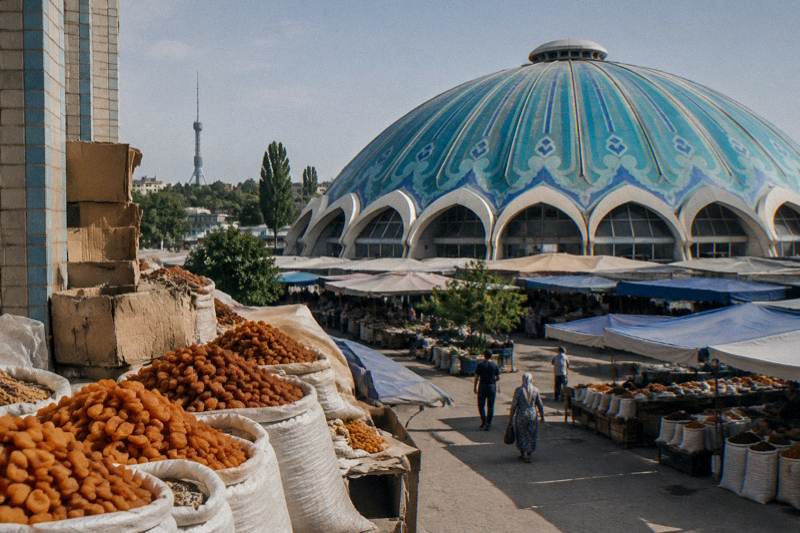
Samarkand, Bukhara Or Khiva: Which Cities To Put In Your Trip
Choosing between Samarkand, Bukhara and Khiva is the single decision that shapes every Uzbekistan itinerary, because the cities sit hours apart and most packaged routes commit to a fixed sequence before you ever leave home.
Short answer
Most travelers should include Samarkand and Bukhara on a first trip, and add Khiva when they have six days or more. Samarkand needs two full days, Bukhara two, and Khiva one to two. Packages from $499 for two days or from $505 for three days cover Bukhara and Samarkand; six day and longer routes add Khiva.
Every Uzbekistan itinerary is really a city list wearing a costume. The country's headline monuments cluster in three places, Samarkand, Bukhara and Khiva, and because they sit at the western end of a long corridor, the order and number of stops determines the train tickets, the internal flights and ultimately which packaged tour you can even book. Cut a city and the whole route reshapes. Add one and a three day trip becomes a six day one.
The choice is not about ranking beauty. All three are Silk Road era cities with medieval cores, tiled facades and bazaars. The real differences are pace, atmosphere and logistics, and those are exactly the things a first time visitor cannot see from a photo. This guide compares the three cities on time needed, character and package coverage, so the decision becomes concrete instead of aesthetic.
How Many Days Do Samarkand, Bukhara And Khiva Each Need?
Samarkand needs two full days, Bukhara needs two, and Khiva needs one to two, so a comfortable three city circuit wants five to six days on the ground plus travel time. Anything shorter forces a cut, and the city that usually gets cut first is Khiva, because it sits farthest west and adds the most travel time for the least number of headline monuments.
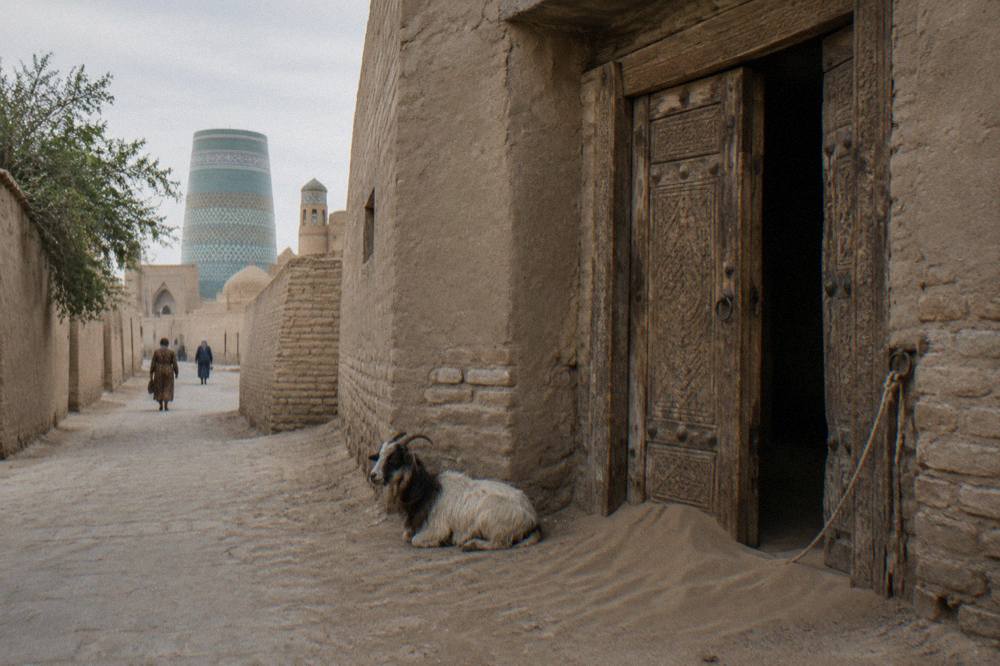
The Registan ensemble alone can absorb half a day if you enter the buildings and not just the square, and Samarkand spreads its sites across a wide modern city with real distances between them. Bukhara is the opposite in geometry: its old town is compact and walkable, but the cluster of monuments, covered bazaars and workshops rewards a slow second day rather than a single rushed loop. Khiva is the smallest of the three. Itchan Kala, the walled inner city, is the attraction, and a determined visitor can walk its lanes in a day, though staying overnight inside the walls is what people remember.
| City | Minimum | Comfortable | What fills the extra time |
|---|---|---|---|
| Samarkand | 1 long day | 2 days | Registan interiors, Shah-i-Zinda at length, workshops, bazaars |
| Bukhara | 1 day | 2 days | Covered bazaars, craft workshops, evening walking in the old town |
| Khiva | 1 day | 1 to 2 days | Itchan Kala interiors, evening on the walls, a fortress day trip |
A one day Samarkand visit is possible from Tashkent by high speed train, and several roster tours are built exactly for that, but it compresses the city into its postcard views. If your dates only allow a taste, a dedicated day trip beats skipping Samarkand entirely. For the deeper planning question of overall route length, the guide on how many days and which route works through the full country arithmetic.
What Is Each City Actually Like As A Place To Walk Around?
Samarkand is grand and spread out, Bukhara is lived in and atmospheric, and Khiva is a small walled museum town that empties beautifully at night. Travelers who want scale and spectacle lean Samarkand, those who want atmosphere and craft lean Bukhara, and those who want a complete medieval envelope choose Khiva, and the three characters suit different travelers rather than different quality levels.
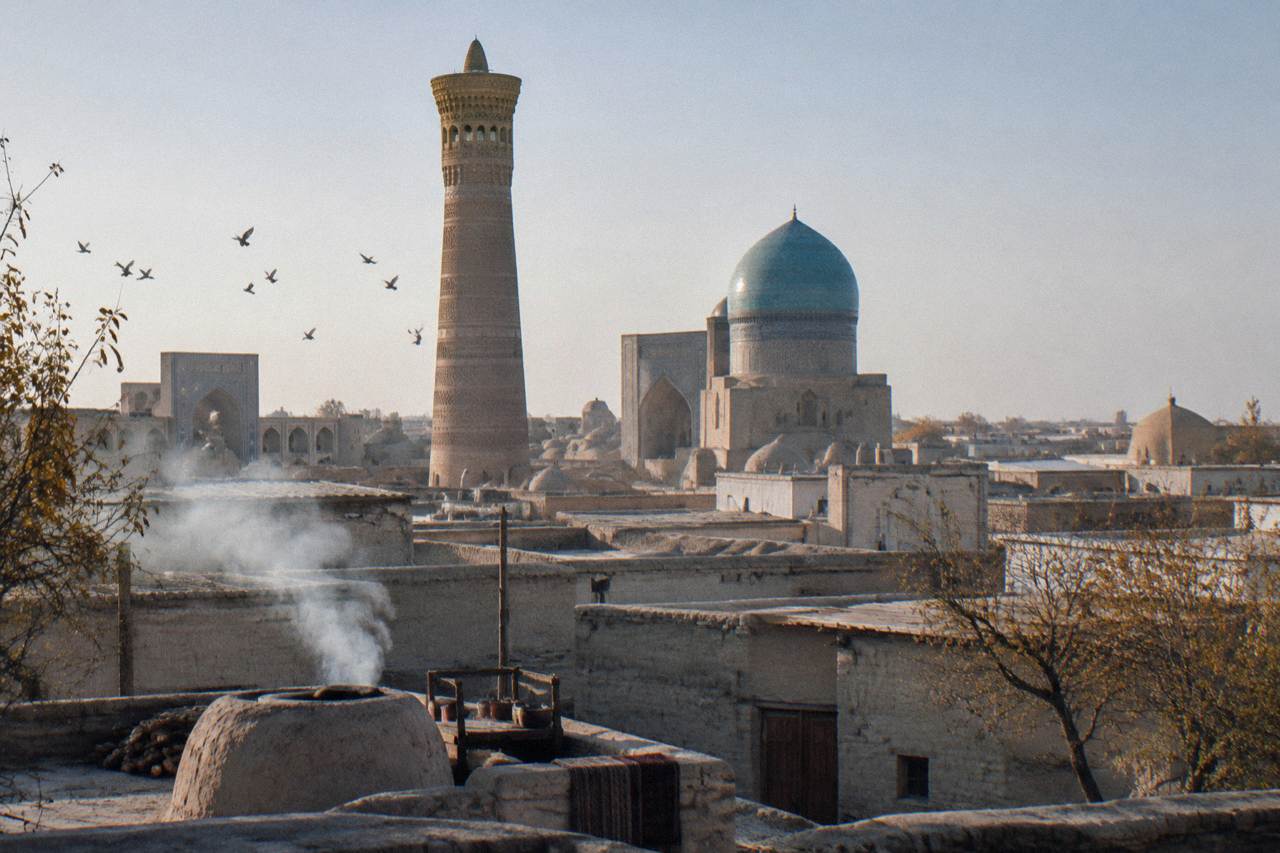
Samarkand's monuments are statements: vast tiled facades set on a modern Soviet era grid of avenues, so you move between sights by car or taxi more than you drift between them on foot. The effect is awe with effort. Bukhara inverts that. Its old town is a low sprawl of brick domes, mulberry trees and trading halls where daily life continues around the monuments, and the walking itself is the pleasure. Khiva is the most concentrated of the three, a walled city small enough that you can learn its lanes in a day, with the catch that it is the most overtly touristic of the three as well.
A practical tiebreaker is what you want to do beyond sightseeing. Bukhara and Khiva both support strong craft experiences: the roster includes a woodcarving masterclass in Khiva rated 5.0 from 61 reviews from $20 per person, and a silk carpet and mulberry paper workshop in Samarkand rated 4.7 from 19 reviews from $29. Food experiences cluster in Samarkand, including a bread making class rated 4.9 from 174 reviews from $21. Whichever city you keep, one hands on workshop changes the rhythm of the trip. If you want to see how those workshops fit into the bigger picture, our guide to what Uzbekistan is most famous for covers the crafts, food and Silk Road landmarks worth planning a trip around.
| City | Scale | Atmosphere | Best for |
|---|---|---|---|
| Samarkand | Large, spread out, sights far apart | Monumental, ceremonial | First time visitors, photographers |
| Bukhara | Compact old town, fully walkable | Lived in, working bazaar city | Wanderers, shoppers, slow travelers |
| Khiva | Small walled city, one gate to gate walk | Museum like, quiet at night | Romantics, short stays, craft classes |
If that character sketch has already settled your city list, the packaged routes follow directly. This trio of bookable tours spans the realistic shapes of a three city trip, from a fast three day train circuit to a full eleven day sweep.
Which Is Better, Khiva Or Bukhara?
Khiva is better for a concentrated, walled, fairy tale experience in one to two days, while Bukhara is better for atmosphere, shopping and a longer, deeper stay. Travelers with five days or fewer usually keep Bukhara, because Khiva's distance adds roughly half a day of travel each way, and the city itself, though stunning, is smaller than its reputation suggests to some visitors.
The honest framing is density versus depth. Khiva gives you a complete walled city, Itchan Kala, where you can stand on the walls at dusk and see the whole place glow, and its combined ticket system covers the interiors in a tidy way. Bukhara gives you a city that has kept its bazaar function: the covered trading domes still sell suzani embroidery and carpets, the workshops still hammer copper, and the Lyabi-Hauz pool area is where evenings happen. If forced to rank pure monument drama, many travelers put Khiva's silhouette first. If asked where they would rather spend a free unhurried afternoon, more pick Bukhara.
Practical facts sharpen the comparison. The roster's Khiva walking tours include a historical city highlights tour rated 4.6 from 326 reviews from $15 per person, and Bukhara's small group ancient city walking tour is rated 4.9 from 633 reviews from $23, with a 16 stop old town variant rated 4.9 from 203 reviews from $15. Both cities deliver excellent value at the walking tour level, so the tiebreaker is again time and distance, not quality. Khiva also anchors two distinctive roster options Bukhara cannot match: a day trip to three ancient fortresses rated 4.7 from 151 reviews from $84, and a two day Aral Sea trip rated 4.9 from 61 reviews from $380, for travelers heading that far west.
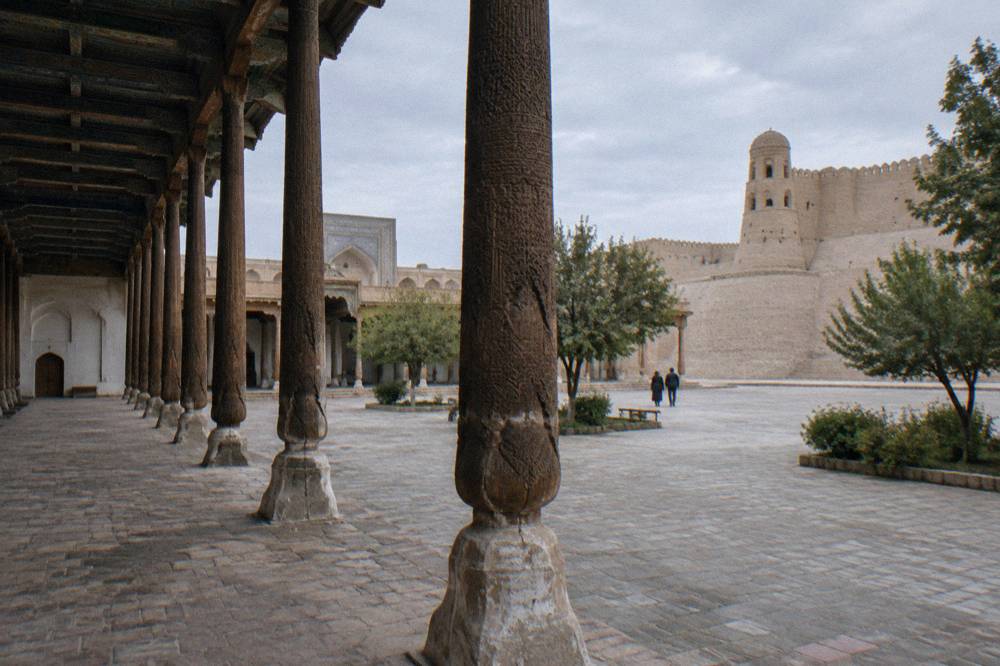
The two cities also connect differently to the rest of the route. Bukhara sits on the high speed rail line between Tashkent and Samarkand, which makes it nearly free to include in any rail based itinerary. Khiva sits beyond the rail corridor's western end near Urgench, reached by a long train leg, a domestic flight, or a drive. That asymmetry, more than any aesthetic argument, is why short itineraries keep Bukhara and long ones keep both. The dedicated comparison piece on choosing between Khiva and Bukhara goes deeper on this exact tradeoff.
Which Is Better, Samarkand Or Bukhara?
Samarkand is better for monument spectacle and is the city most visitors would regret skipping, while Bukhara is better for atmosphere, walking and shopping. On a tight trip of three days or fewer, keep Samarkand and add Bukhara only if the train timings allow, because the two sit about two hours apart by high speed rail and compress well together when planned around the morning departures.
Samarkand is the name on the poster. The Registan, Shah-i-Zinda and Bibi-Khanym form the single most famous ensemble in Central Asia, and no other city in the country matches that concentration of instantly recognizable buildings. Skipping Samarkand on a first Uzbekistan trip is like skipping the main course. Bukhara, meanwhile, is the city travelers report enjoying more than they expected: fewer single jaw dropping views, more cumulative charm, and the sense of a working city inside a monument district rather than a monument district inside a city. And if you want to see how these two cities fit into the bigger picture, our guide to what Uzbekistan is most famous for covers everything from plov to the craft traditions you'll walk right past in both places.
The roster reflects the split. Samarkand's most reviewed private city tour, with transport inside the attractions, is rated 5.0 from 219 reviews from $75 per person, and its monuments walking tour is rated 4.9 from 1104 reviews from $15, the largest review pool of any listing on this site. Bukhara's small group walking tour at 4.9 from 633 reviews shows the same pattern of satisfaction at a slightly smaller scale. Both cities can be explored on foot with a guide for less than a restaurant dinner costs in most Western capitals, which is why the real decision is days, not dollars.
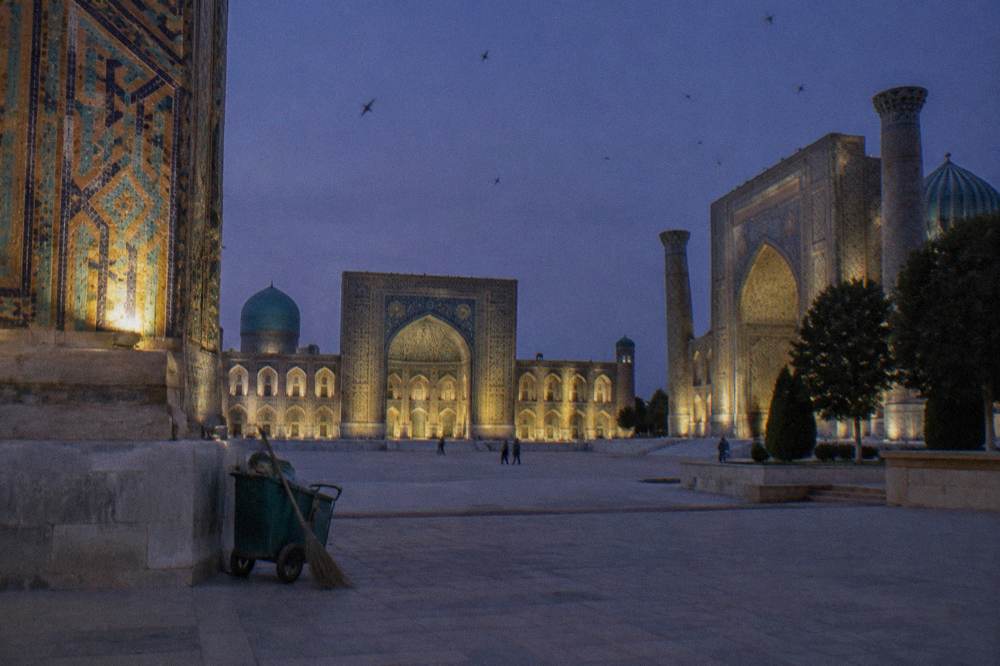
A useful planning note: the two cities pair well in either order. The classic flow is Tashkent to Samarkand to Bukhara by rail, then either back east by train or onward west by road to Khiva. One roster listing, the Khiva to Bukhara transfer with stops at five ancient fortresses and a lake, rated 5.0 from 111 reviews from $220 per person, turns the normally empty transit day between the two western cities into a sightseeing day of its own. That trick alone can justify keeping Khiva, because the road out of it is not dead time.
Which Roster Packages Cover Which Cities?
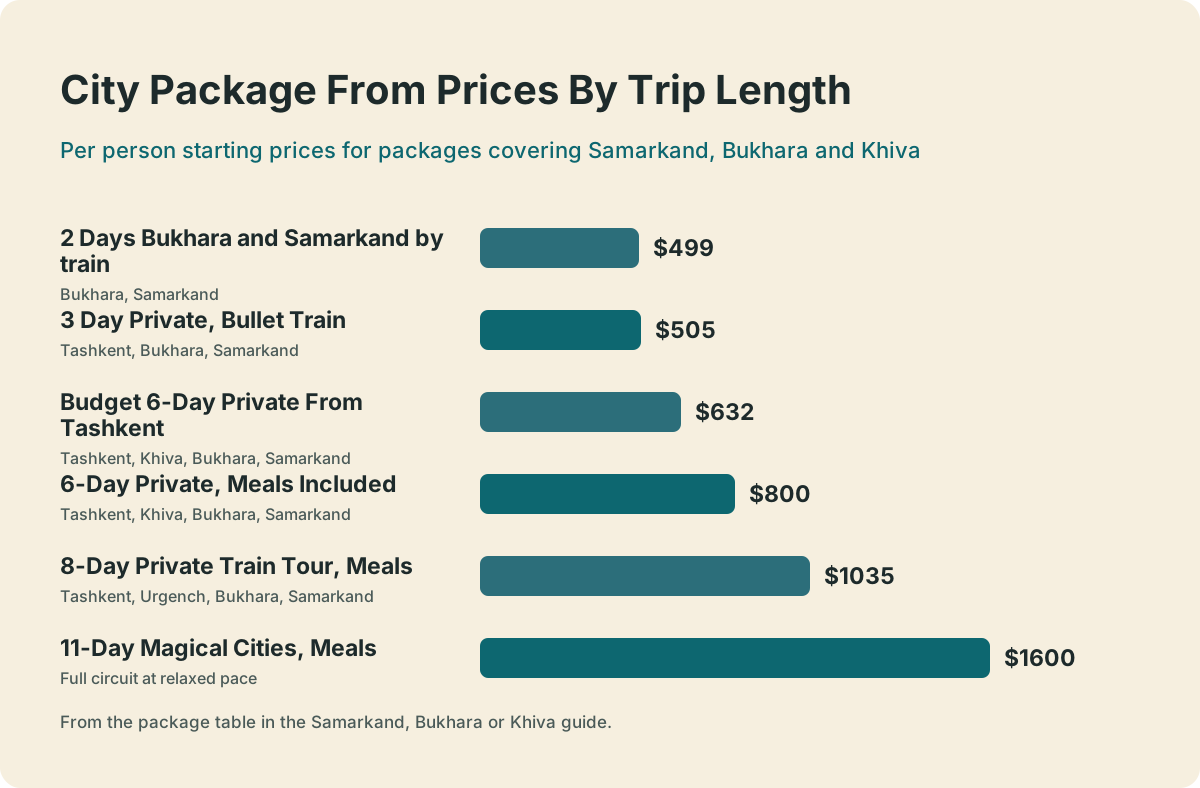
The shortest city focused packages cover Bukhara and Samarkand in two to three days from about $499, six day private circuits add Khiva and start from about $632, and the longest routes, up to eleven days from $1,600, give every city comfortable time plus mountain stops. Package length maps almost one to one onto city count, so pick your cities first and the package list narrows itself to a handful.
This is where the decision becomes a booking. Below is how the main multi day roster routes distribute across the three cities. Note that itinerary details live on each operator's listing, and what follows reflects each listing's name, duration and stated route. The wider set of guides lives on Uzbekistan Tour Packages.
| Package | Days | From (per person) | Cities covered |
|---|---|---|---|
| 2 Days Bukhara and Samarkand by train | 2 | $499 | Bukhara, Samarkand |
| 3 Day Private, Bullet Train | 3 | $505 | Tashkent, Bukhara, Samarkand |
| Budget 6-Day Private From Tashkent | 6 | $632 | Tashkent, Khiva, Bukhara, Samarkand |
| 6-Day Private, Meals Included | 6 | $800 | Tashkent, Khiva, Bukhara, Samarkand |
| 8-Day Private Train Tour, Meals | 8 | $1035 | Tashkent, Urgench, Bukhara, Samarkand |
| 11-Day Magical Cities, Meals | 11 | $1600 | Full circuit at relaxed pace |
The featured route on this site for the three city question is the 6-Day Private, Meals Included circuit, rated 4.9 from 48 reviews, from $800 per person with the price varying by group size. It is the shortest fully supported way to see Khiva, Bukhara and Samarkand in one booking, with pickup, free cancellation and meals all listed, and it exists precisely because six days is the threshold where all three cities stop being a scramble. For a fuller breakdown of what such packages typically bundle, see what is included in a multi day Uzbekistan tour.
A word on expectations for the longest options. The 11-Day Magical Cities tour, from $1,600 per person with meals listed, is the ceiling of the roster and it earns its length with pace rather than exotic additions. Travelers hoping for a desert yurt night or a far western extension should know that no roster listing is confirmed to include a yurt stay, and the Aral Sea trip is a separate two day listing from Khiva. Check each listing's itinerary before assuming any specific overnight.
What If You Only Have Time For Two Cities?
With three to four days, the strongest pairing is Samarkand plus Bukhara, linked by high speed rail with each getting two nights or close to it. With only two days, choose Samarkand as a day trip from Tashkent or an overnight, because the capital to Samarkand rail leg is short and the city delivers the highest monument return per hour spent traveling. Once your cities are locked in, the practical question becomes what to pack, and our guide to what women can actually wear in Uzbekistan answers the shorts and mosque dress questions directly.
The rail geography does the deciding. Tashkent, Samarkand and Bukhara sit on one line, with the Tashkent to Samarkand leg taking about two to two and a half hours on the high speed train and Samarkand to Bukhara about an hour and a quarter to two, per secondary sources, so a two city rail trip loses almost no daylight to transit. Khiva breaks the pattern: it sits beyond Bukhara toward Urgench, and reaching it adds either a domestic flight of about an hour and a half or a long rail and road combination. For the full transport picture, including the train to Khiva launched in May 2026, see Uzbekistan by train: Afrosiyob, Sharq and the Khiva line.
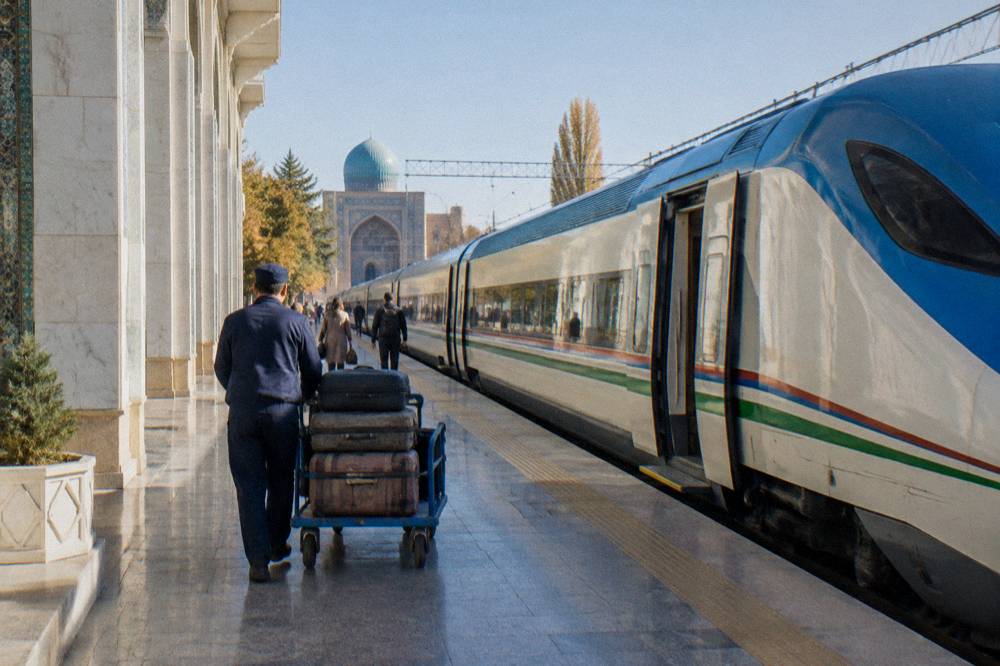
Two city trips also pair well with a Tashkent bookend. A day in the capital, using the full day city tour rated 5.0 from 100 reviews from $77, or the food and walking tour rated 4.9 from 273 reviews from $19, turns waiting-for-your-flight time into part of the trip. Some travelers skip the cities debate entirely for a first taste and take a mountain day trip from Tashkent, the Amirsoy, Chimgan and Charvak option rated 4.8 from 819 reviews from $45, though that is a different trip shape than the Silk Road circuit this guide is about.
| Trip length | Recommended cities | Realistic package |
|---|---|---|
| 1 to 2 days | Samarkand (day trip or overnight) | One day tours from $178 |
| 3 days | Tashkent, Bukhara, Samarkand | 3-Day Private, Bullet Train, from $505 |
| 5 days | Bukhara, Samarkand at leisure | 5-Day Silk Road Secrets, from $856 |
| 6 days | All three cities | 6-Day Private, Meals Included, from $800 |
| 8 days or more | All three plus mountains | 7-Day Local Guide from $1075, 11-Day from $1600 |
For travelers torn on overall length rather than city choice, the blog piece on how many days in Uzbekistan is enough covers the same arithmetic from the calendar side. The short version: below five days, two cities; five to six, all three at a push; seven or more, all three with breathing room.
How Do Trains And Flights Shape Which Cities You Can Keep?
The high speed rail corridor makes Samarkand and Bukhara nearly automatic inclusions, while Khiva requires either a domestic flight of about an hour and a half or the newer train service, which is why the city appears almost exclusively in packages of six days or longer. Transport, not preference, is what actually excludes a city from short itineraries.
Booking rail yourself is straightforward: tickets go on sale on the official railway ticketing site roughly 30 to 45 days ahead, foreigners can buy with passport details, and international cards work with varying success, so having a backup payment method matters. The official booking portal is eticket.railway.uz, and it is the source of truth for days and times on every leg described here. Fares on the main corridor are best treated as "from about" figures, since agency quoted prices vary by date and class.
Flights matter at the western end. Domestic services connect Tashkent with Urgench, the airport for Khiva, in about an hour and a half, with one way minimum fares from about 442,000 to 484,000 som according to the national carrier's published fare updates. That is why several longer roster packages fly one direction and train the other, and why the 8-Day Private Train Tour route runs through Urgench. If your heart is set on Khiva but your calendar is tight, flying one leg is the standard answer.
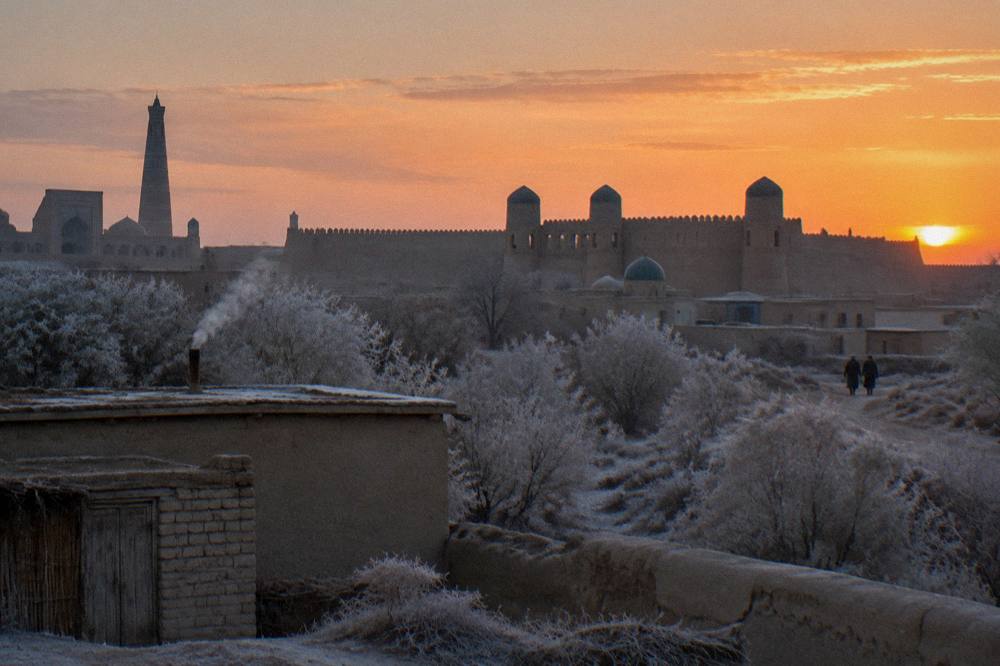
One more logistics note for Americans and other visa free nationalities: hotels register you automatically, so moving quickly between cities creates no extra paperwork. Entry rules can change, so check the current requirements before you book; the tourism ministry's announcement on the visa free regime is at gov.uz.
Should The Season Decide Which Cities You Include?
Spring and autumn suit all three cities and should not change your list, but summer heat and winter cold push the balance: in July and August, Bukhara's walkable old town becomes punishing by midday while Khiva's compact layout allows a dawn and dusk rhythm, and in winter, Khiva's colder western climate makes it the harder sell, so extreme seasons argue for dropping Khiva first.
The climate data makes the point plainly. Samarkand's July average high runs about 34 to 35 degrees Celsius and Bukhara's about 37 to 38, with Khiva, using Urgench data, close behind at about 36 to 37. Those numbers sound similar on paper, but the experience differs by city layout: Bukhara's charm is slow walking between many small monuments, which multiplies heat exposure, while Samarkand's big sights involve short walks between shaded interiors. Long term averages for the eastern cities are published by climatestotravel.com.
Spring and autumn are the recommended windows and the peak seasons, roughly April to May and September to October, when crowds and prices are highest at the major sites. Winter travel is entirely feasible on the rail corridor and the cities are quiet, but Khiva's nights drop well below freezing, roughly minus 4 to minus 7 in the coldest months, which matters if your dream Khiva evening is standing on the walls at dusk. For the full month by month breakdown, see the guide on the best time to visit Uzbekistan.
A final seasonal note for festival minded travelers: Bukhara hosts the Silk and Spices Festival in late May or early June in recent odd years, and Samarkand's calendar has historically included the Sharq Taronalari music festival near the Registan, though its next edition date is unconfirmed. Neither should force a city choice alone, but if your dates align, they are a genuine reason to weight one city over another.
If your city list is settled and only the route shape remains, these three packages cover the realistic spread from fast rail circuit to full sweep.
Common Questions About Choosing Between Samarkand, Bukhara And Khiva
which is better, bukhara or samarkand?
Samarkand for spectacle, Bukhara for atmosphere. Samarkand holds the country's most famous monuments and is the harder city to justify skipping, while Bukhara offers a compact, walkable old town with working bazaars and craft workshops. On trips of three days or fewer, keep Samarkand and add Bukhara if rail timings allow.
which is better, samarkand or bukhara?
For most first time visitors, Samarkand. The Registan, Shah-i-Zinda and Bibi-Khanym are the most recognizable sights in the country and the city has the deepest stock of tours, including its monuments walking tour rated 4.9 from 1104 reviews. Bukhara is the better city to wander and shop in, and rewards a second day more than Samarkand does.
Which is better, Khiva or Bukhara?
Khiva for a concentrated walled city experience in one to two days, Bukhara for depth, atmosphere and a longer stay. Travelers with five days or fewer usually keep Bukhara because Khiva adds roughly half a day of travel each way, while travelers with six days or more commonly keep both.
Can you see Samarkand, Bukhara and Khiva in five days?
It is possible but rushed. The cities need about two, two and one to two days respectively plus transit, so five days works only with tight rail timing and an early start. The roster's most efficient all three city routes are the six day private circuits, from $632 per person, which exist precisely because five days leaves no slack.
Which city should I drop if I only have three days?
Drop Khiva. Samarkand and Bukhara sit on the high speed rail corridor about two hours apart, so a three day trip covering Tashkent, Bukhara and Samarkand runs smoothly by train, and a roster package built exactly on that shape starts from $505 per person. Khiva's extra transit is what breaks a three day budget of time.
Is Khiva worth the extra travel?
For most travelers with six days or more, yes. Itchan Kala is a complete walled city with no real equivalent in Samarkand or Bukhara, and the roster's Khiva based options, from a $15 highlights walking tour to a two day Aral Sea trip rated 4.9 from 61 reviews, give it a distinct character. Below six days, the travel cost usually outweighs the reward.