Which Is Better, Tashkent Or Samarkand?
A head to head comparison of Tashkent and Samarkand for travelers, covering monuments, atmosphere, food, day tours and the train that links them in about two hours.
Which Is Better, Tashkent Or Samarkand?
Neither city is objectively better, because they do completely different jobs: Tashkent is the working capital with restaurants, metro stations and mountain day trips, while Samarkand concentrates the monumental Silk Road architecture most visitors fly in for. The practical answer for most travelers is to do both, and the high speed train between them takes about two to two and a half hours, which turns the choice into a scheduling question rather than an either-or decision.
That is the short version, and it is the one supported by how the bookable tours are actually structured. Look at a roster of Uzbekistan tours and a pattern appears immediately: multi day packages start in Tashkent, spend a day or two there, then move on to Samarkand and beyond. Almost no itinerary treats the two as competitors. The comparison only becomes a real decision when your trip is short, or when you are picking a base city for a few days of day trips.
This piece compares the two cities honestly: what each one is actually like on the ground, what the tours in each city cost and cover, how the train connects them, and which kind of traveler each city suits. It also carries the comparison a step further, because for many visitors the real runner-up question is not Tashkent at all but Bukhara, and that question is worth answering in the same breath.
What Kind Of City Is Tashkent?
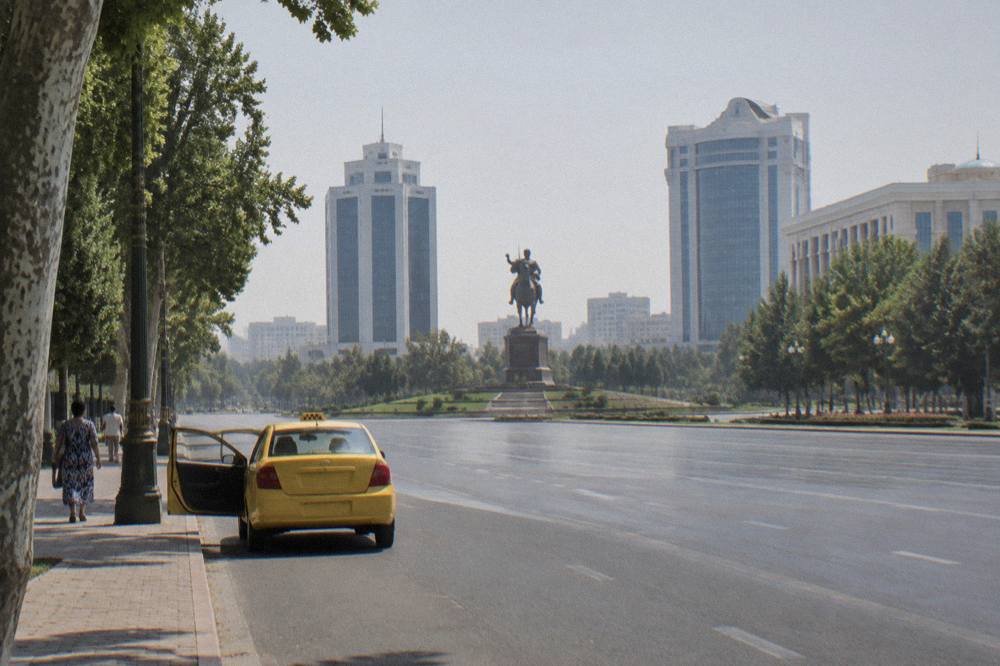
Tashkent is a large, leafy, modern capital of more than two million people, a city rebuilt on a Soviet scale and increasingly layered with new construction. It works less like a monument field you tour and more like a living city you experience. Its sights are spread out, its metro stations are an attraction in themselves, and its restaurant and cafe scene is the strongest in the country. Travelers who skip it entirely tend to regret missing the everyday Uzbekistan it offers.**
Put plainly, Tashkent is where the country actually lives. The old town around Chorsu Bazaar still trades under a domed market hall, the Hazrati Imam complex holds some of the region's most significant manuscripts, and a new Islamic Civilisation Centre opened near it in early 2026. But between those stops you pass through wide avenues, parks, and a business district that looks closer to Istanbul or Almaty than to the walled cities on postcards. The city rewards wandering, eating, and riding the metro more than it rewards monument hopping.
The city also owns something Samarkand cannot offer: mountains. Day trips to Amirsoy, Chimgan and the Charvak reservoir run from Tashkent and take under an hour to reach the foothills. One of the most reviewed listings in the entire national roster is the From Tashkent: Amirsoy, Chimgan & Charvak Mountain Day Trip, rated 4.8 from 819 reviews and priced from $45 per person. A fuller private version, Explore Amirsoy, Chimgan & Charvak, runs about 9 hours from $69 and carries a 4.9 from 431 reviews. If your image of Uzbekistan includes snow capped peaks and a lake, that image is a Tashkent day trip.
For organized sightseeing in the capital itself, the Tashkent City Tour runs 7 to 8 hours from $77 per person, price varies by group size, and holds a 5.0 rating from 100 reviews, with pickup listed. Shorter options exist: the Classic Tashkent Tour covers half a day from $16, and a guided walking or food tour with a local guide runs 3 to 4 hours from $19 with a 4.9 from 273 reviews. The spread matters because it shows the city can be absorbed cheaply and quickly, leaving your budget for the rest of the trip.
What Kind Of City Is Samarkand?
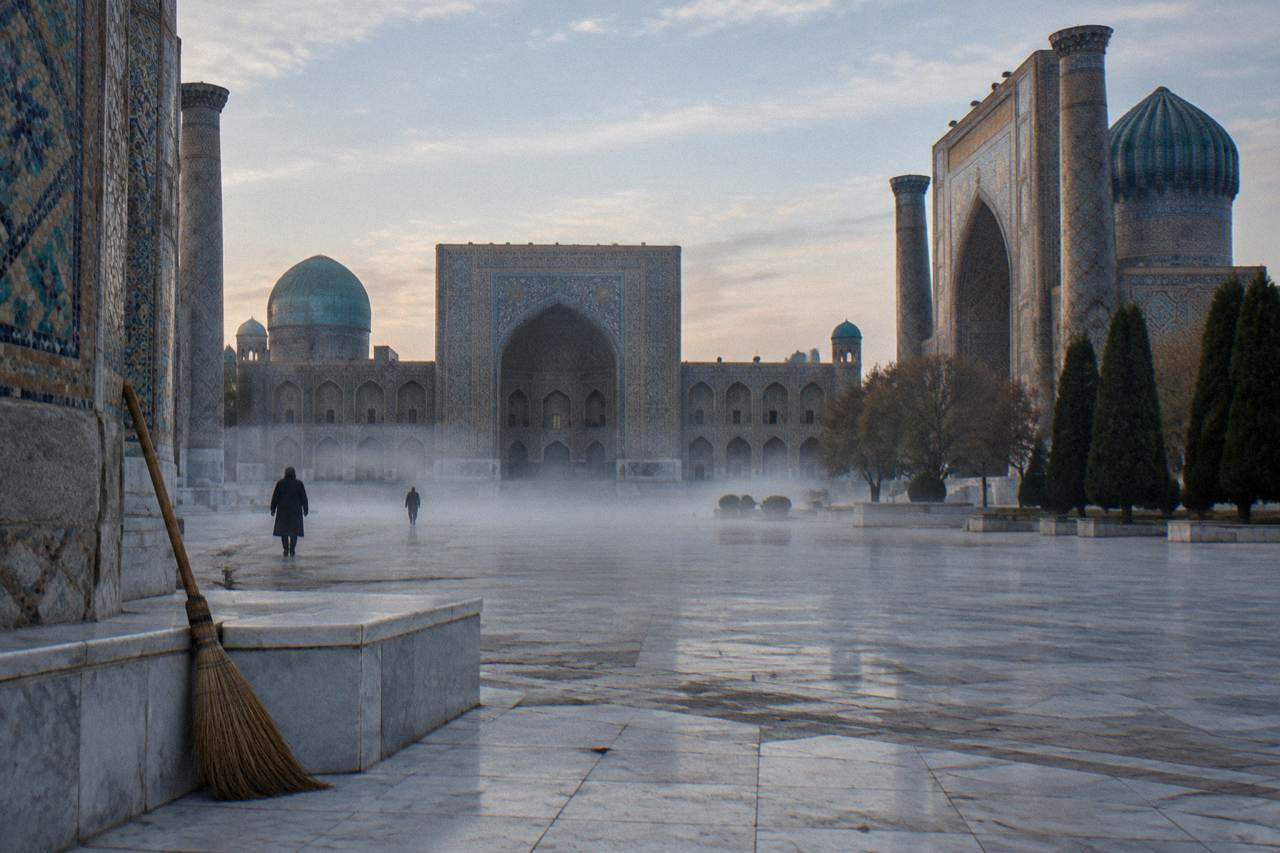
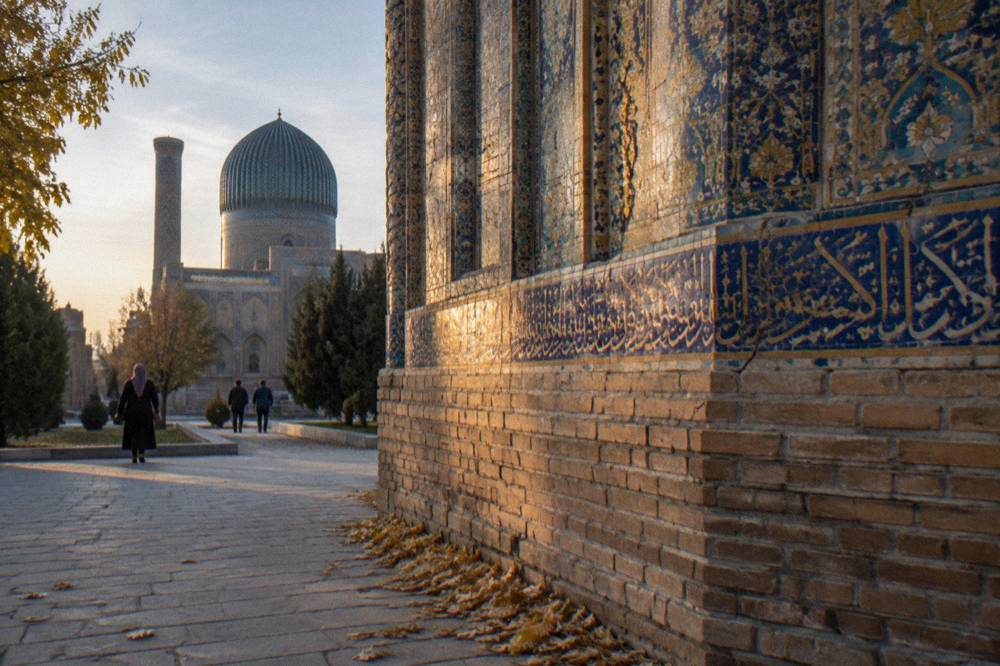
Samarkand is a monument city rather than a full urban destination. Its draw is a compact set of Silk Road landmarks, led by the Registan ensemble, and most visitors experience it as a walking circuit that connects a handful of extraordinary sites, not as a city built for long, aimless wandering. The city is calmer and smaller than Tashkent, its sights cluster within a few kilometers of each other, and almost every tour of Uzbekistan treats it as the emotional centerpiece of the route.**
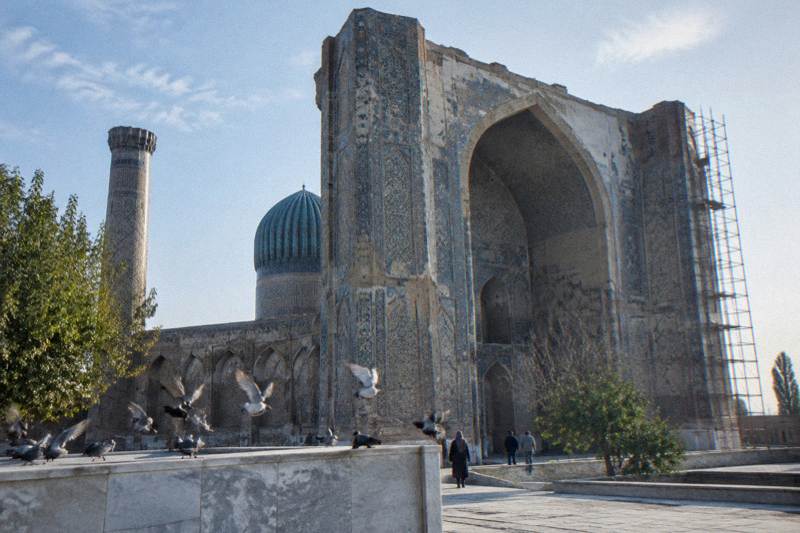
The core sites are famous for good reason. The Registan, a square flanked by three tiled madrasah facades, anchors the old city; Shah-i Zinda, a street of shrine tombs, runs up a hillside in luminous blues; Bibi Khanym mosque sits beside a busy bazaar. Entry to the Registan runs about 70,000 to 100,000 som for foreign visitors, and prices there have been rising, so carry som and check the ticket desks for current rates. Unlike Tashkent, where a monument is one stop among many, in Samarkand the monuments are the reason you came.
The city's tour roster is deep and cheap. A basic 4-hour city tour, A City Tour Of Samarkand: The Pearl Of The East, starts from $18 per person and carries a 5.0 from 243 reviews. Samarkand's Historical Monuments walking tour leads the roster at 4.9 from 1104 reviews, while the Private Samarkand City Tour with Transport is among the top-rated at 5.0 from 219, running 5 to 7 hours from $75 with transport between sites and inside attractions. A monuments walking tour from $15 holds a 4.9 from 1,104 reviews. Beyond the core circuit, the city opens outward: a private day trip to Shahrisabz over a mountain pass runs 7 hours from $49, and a village tour with a plov cooking class and home visit costs from $59.
That last category is worth pausing on. Samarkand is not only facades. The village cooking class, rated 4.8 from 52 reviews, puts you in a rural household learning the national dish, and a bread making class with the famous acrobatic bread of the city costs from $21. These experiences give the monument city a human texture that a schedule of madrasahs alone does not.
How The Train Makes The Choice Easier
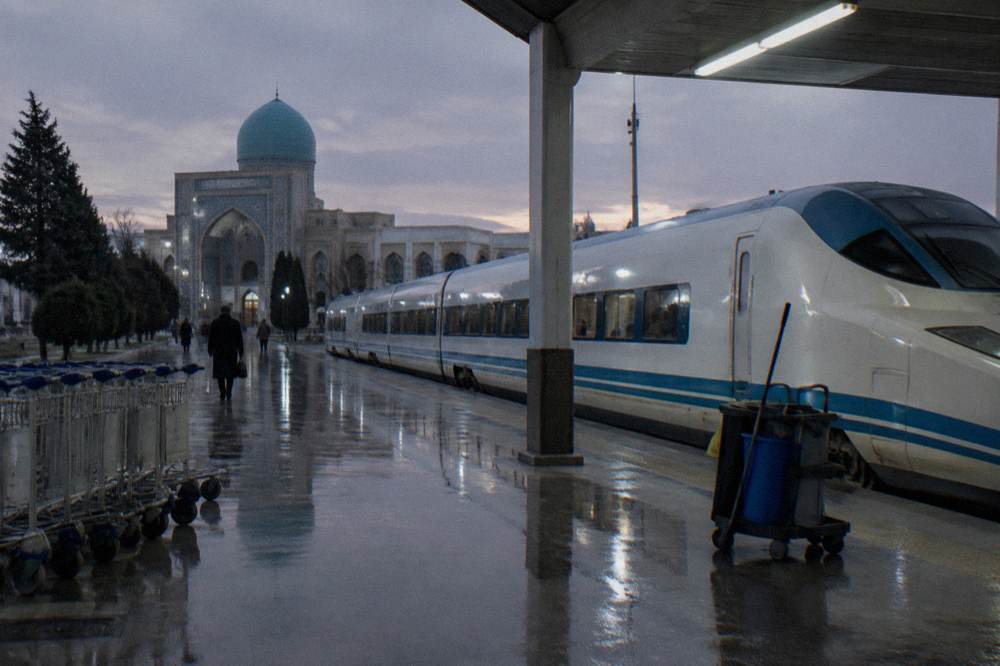
The two cities are about two to two and a half hours apart on the Afrosiyob high speed train, with multiple departures a day, which means a traveler based in Tashkent can see Samarkand's main sites in a single long day and be back in the capital that evening. This is the single fact that defuses most of the Tashkent versus Samarkand debate, and it is why day tours from Tashkent to Samarkand form one of the busiest categories on any tour roster.**
Afrosiyob, the Spanish built Talgo trainset, runs the Tashkent to Samarkand corridor with five or more departures a day in each direction, and the journey takes roughly two hours to two and a half hours depending on the service. The Sharq train covers the same route more slowly, in about three hours. Economy fares from Tashkent to Samarkand run from about $25 to $40 converted from agency quoted euro pricing, and business class from about 65 euros, but treat both as ranges and confirm on the railway's own booking site, eticket.railway.uz, where booking typically opens 30 to 45 days ahead.
The day tour category exists precisely because of this rail link. The related tour for this comparison, the Samarkand One Day Tour departing from Tashkent, runs 9 to 14 hours from $229 per person, price varies by group size, includes hotel pickup and train tickets, and carries a 4.7 from 355 reviews, one of the larger review pools among Uzbekistan day trips. Cheaper variants exist for travelers who do not need pickup or who want a leaner circuit: the Samarkand Complete One Day Guided Tour starts from $178 with a 4.8 from 118 reviews, and the All In One Day Tour runs from $199 with a 4.9 from 41. An all inclusive version with a meal listed starts from $180 and holds a 5.0 from 60 reviews.
If you would rather Check availability on the one day format, read the itinerary carefully for which sites are included and how much free time you get, because a 9 hour and a 14 hour version of the same idea are very different days. You can read more about the rail network in the guide to Afrosiyob, Sharq and the Khiva line.
How The Day Tours Stack Up Side By Side
Comparing equivalent tours in the two cities shows the real difference in what your money buys: Tashkent city tours cluster in the $16 to $77 range and mix sightseeing with food and modern life, while Samarkand tours from $15 to $75 concentrate almost entirely on monuments, with the train-linked day trips from Tashkent in the $178 to $229 bracket. The table below lays out representative listings from each city using the roster's verified prices and ratings.**
| Tour | City | Duration | From (per person) | Rating |
|---|---|---|---|---|
| Tashkent: Exclusive Classic City Tour | Tashkent | 4 to 5 hours | $16 | 4.8 from 115 reviews |
| Tashkent: Guided Walking or Food Tour | Tashkent | 3 to 4 hours | $19 | 4.9 from 273 reviews |
| Tashkent City Tour, Full Day | Tashkent | 7 to 8 hours | $77, varies by group size | 5.0 from 100 reviews |
| Samarkand Monuments Walking Tour | Samarkand | 4 to 4.5 hours | $15 | 4.9 from 1,104 reviews |
| Samarkand: The Pearl Of The East city tour | Samarkand | 4 hours | $18, varies by group size | 5.0 from 243 reviews |
| Private Samarkand City Tour with Transport | Samarkand | 5 to 7 hours | $75, varies by group size | 5.0 from 219 reviews |
| Samarkand One Day Tour from Tashkent | Both, by train | 9 to 14 hours | $229, varies by group size | 4.7 from 355 reviews |
Two patterns jump out. First, the cheapest tours in both cities cost about the same, roughly $15 to $19, so budget is not the deciding factor between the two bases. Second, the premium in each city buys different things: in Tashkent, a higher price buys duration and coverage of a spread out city; in Samarkand, it buys transport between sites and access inside the attractions, which matters in summer heat and for travelers who want to see interiors rather than facades.
The private Samarkand tour with transport is the clearest example. At 5 to 7 hours from $75, it skips the walking-only format and moves you between the Registan, Shah-i Zinda and the outer sites by vehicle, with entry inside attractions included in the program. For a traveler with one day in the city and no tolerance for haggling with taxis, that format converts a stressful day into a structured one.
Which City Should You Base In?
Base in Tashkent if your trip is three days or fewer, if you want the food scene and mountain day trips, or if you are flying out of the capital and want zero transfer risk; base in Samarkand if you have four or more days, want to wake up inside the monument city, or plan to continue by train toward Bukhara and Khiva. For most first time visitors on a week long trip, the answer is both, in that order.**
The logic is mostly about geography and flights. International arrivals land overwhelmingly in Tashkent, and the nonstop from New York JFK on Uzbekistan Airways runs about 12 to 12 and a half hours, several times a week. Starting in the capital gives you a soft landing, a day to adjust, and a natural departure point for the train. Samarkand sits in the middle of the country on the rail line to Bukhara, so basing there makes sense once you are moving west along the classic route. Other pages covering the same trip are gathered on Uzbekistan Tour Packages.
There is also a pace argument. Samarkand rewards slow mornings: the Registan in early light, before the day trip crowds arrive from the capital around midday, is a different experience from the Registan at two in the afternoon. Basing in Samarkand puts you on the right side of that rhythm. Tashkent rewards evenings: its restaurants, night markets and the fountains of Amir Timur Square are at their best after the day's sightseeing ends. Travelers who base in the capital and day trip to Samarkand see the monuments at peak crowd hour, every time.
For a deeper look at how the pieces fit, the guide to how many days you need and which route fits works through the sequencing question in detail, including the shorter trips where the Tashkent versus Samarkand choice genuinely bites.
Where Do The Multi Day Tours Actually Start?
Every multi day tour on the current roster departs from Tashkent, which settles the base city question for package buyers: Tashkent is the start point, and Samarkand is a stop within the itinerary, typically reached by train on day two or three. The roster's Silk Road packages range from 5 to 11 days and from $632 to $1,600 per person, and all of them begin in the capital.**
That structure reflects the practicalities of Uzbek travel: international flights, train connections to three directions, and the widest hotel supply all sit in Tashkent. The flagship 8-day private tour from $1,035, rated 4.7 from 40 reviews, runs the Tashkent to Urgench to Bukhara to Samarkand loop and back, a route that only makes sense from the capital. A 6-day private version from $800 with meals included carries a 4.9 from 48 reviews, and a budget 6-day private tour from $632 covers the same four cities at a lower price point.
If you are choosing between the two cities because you are choosing between packages, the honest answer is that you are not: on a multi day tour the operator makes the choice for you, and you get both cities with a fixed number of nights in each. The real comparison for package buyers is duration and inclusions, which is covered in the guide to what is included in a multi day tour. Where the two-city choice genuinely matters is on independent trips and short trips, where the day tour bridge from Tashkent to Samarkand does the heavy lifting.
One planning note for American readers: since 1 January 2026, US citizens can enter Uzbekistan visa free for up to 30 days, per the official tourism announcement at gov.uz, and hotels register you automatically, which removes two classic pre-trip chores. Check the current entry rules before you book, and enroll in the State Department's STEP program for advisory updates; Uzbekistan stands at Level 1, Exercise Normal Precautions, as of January 2026.
What Does Each City Cost As A Base?
Day to day costs are broadly similar in the two cities, with Samarkand slightly cheaper for lodging and food in the old town and Tashkent slightly more expensive but better supplied, so the budget difference between the two bases is small compared with the cost of the day trips and train tickets that connect them. National planning ranges put budget travel at $25 to $50 per person per day and mid range at $60 to $120, excluding flights.**
| Cost item | Tashkent as base | Samarkand as base |
|---|---|---|
| Typical daily budget, mid range | $60 to $120 per person | $60 to $120 per person, lower end in the old town |
| Typical city tour | $16 to $77 | $15 to $75 |
| Mountain day trip | From $45 (group) to $69 (full day) | Not available; nearest equivalents are Shahrisabz from $49 or a village cooking class from $59 |
| Rail cost to the other city | From about $25 to $40 economy | From about $25 to $40 economy |
| Organized bridge to the other city | Day tours from $178 to $229 | Independent train travel; no equivalent day tour roster from Samarkand to Tashkent |
| Monument entry budget | Modest; many metro and bazaar sights are free or cheap | Registan about 70,000 to 100,000 som; budget for several ticketed sites |
The asymmetry in the table is the quiet argument for Tashkent as a base: the capital has organized one day products reaching Samarkand, the mountains, and Chimgan, while Samarkand's day trip roster reaches Shahrisabz and villages but does not run organized day circuits back to the capital. A traveler based in Tashkent can buy packaged days in three directions. A traveler based in Samarkand buys the city itself and travels onward independently.
Cash and cards behave the same way in both cities. Visa and Mastercard work at mid range and upper hotels, malls and many restaurants, while bazaars, small guesthouses, taxis and monument ticket desks want som in hand. Tipping norms are national rather than city specific: 5 to 10 percent in restaurants when no service charge applies, and about $10 to $20 a day for a private guide or driver for good service.
So Which City Wins For Your Trip?
For a trip of five days or more, the question answers itself: do both, starting in Tashkent and giving Samarkand at least a full day and a night; for a trip of three days or less, base in Tashkent and take a train day trip to Samarkand, because the capital gives you the food, the mountains and the departure flights that a short trip needs. The only travelers who should skip Tashkent entirely are those with a single focus on monuments, for whom going straight to Samarkand by train from the airport saves a day.**
The strongest version of the split decision looks like this: arrive in Tashkent, spend the first afternoon on the metro, Chorsu and the Hazrati Imam complex, either on your own or on a half day tour from $16; take the Afrosiyob or a packaged day tour to Samarkand for day two, with the one day tour from $229 covering pickup, tickets and guiding, or the from-$199 and from-$178 variants for leaner budgets; then either return to the capital for a mountain day on day three, or continue by train toward Bukhara if the trip is longer. That three day skeleton is, in miniature, exactly what the multi day packages sell at 8 to 11 days and $1,035 to $1,600.
Travelers who arrive already knowing they care most about tiled facades and shrine streets should weight their nights toward Samarkand without apology. The city holds the deepest review pools in the country's tour roster, including a 4.9 from 1,104 reviews on the monuments walking tour, and the monuments walk's 4.9 from 1,104 reviews makes it the most reviewed listing on the site. But Tashkent is not a consolation prize: it is the city where Uzbekistan's present tense happens, and the one with the mountains on its doorstep.
Common Questions About Tashkent Or Samarkand
Which Is Better, Tashkent Or Samarkand?
Tashkent is better as a base and arrival city for its flights, food and mountain day trips; Samarkand is better as the destination for monumental Silk Road architecture. With a two to two and a half hour train linking them, most travelers should see both rather than choose.
is tashkent or samarkand better?
It depends on trip length. For three days or fewer, Tashkent as a base with a day trip to Samarkand works best. For longer trips, split your nights, starting in the capital and giving Samarkand at least one full day and an overnight.
which is better, bukhara or samarkand?
Samarkand has the bigger single monuments, led by the Registan, while Bukhara has a more atmospheric, walkable old town where the sights are scattered through living streets. Many travelers prefer Bukhara's atmosphere but say Samarkand's facades are the ones they came for; with both on the same rail line, the standard route includes both.
which is better, samarkand or bukhara?
Choose Samarkand if you want the grand, concentrated wow of a few monumental ensembles; choose Bukhara if you want to wander a preserved old city with trading domes, pools and lanes. Samarkand tours start from $15 and Bukhara walking tours from $15, so a short visit to either is inexpensive.
Can you visit Samarkand as a day trip from Tashkent?
Yes. The Afrosiyob train covers the distance in about two to two and a half hours, and packaged day tours from $178 to $229 include train tickets, guiding and, on most versions, hotel pickup. Expect a 9 to 14 hour day door to door.
Is Tashkent worth visiting at all?
Yes, though it rewards a different pace. The metro stations, Chorsu Bazaar, the Hazrati Imam complex and the restaurant scene are genuinely worth a day, and mountain day trips to Amirsoy, Chimgan and Charvak start from $45. A half day city tour costs from $16.