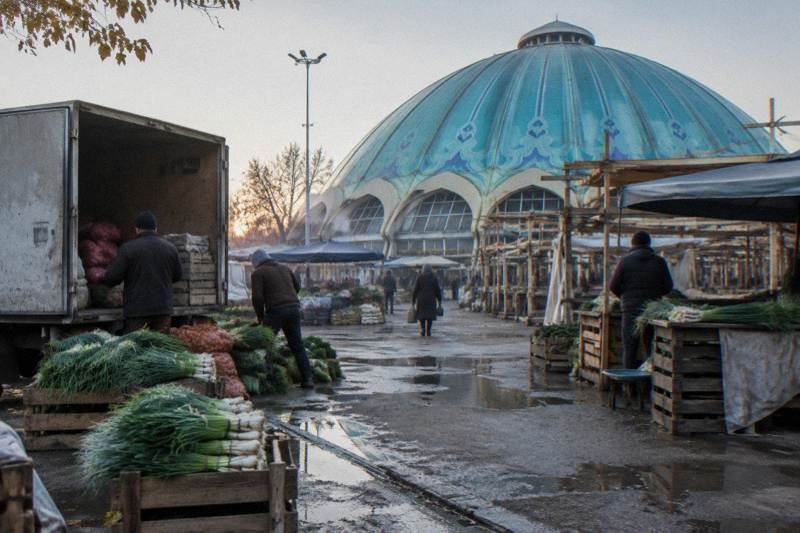
Is Uzbekistan Friendly To Americans?
A practical answer for US travelers: visa-free entry since January 2026, a Level 1 travel advisory, real hospitality on the ground, and what English, money and manners look like in Uzbekistan.
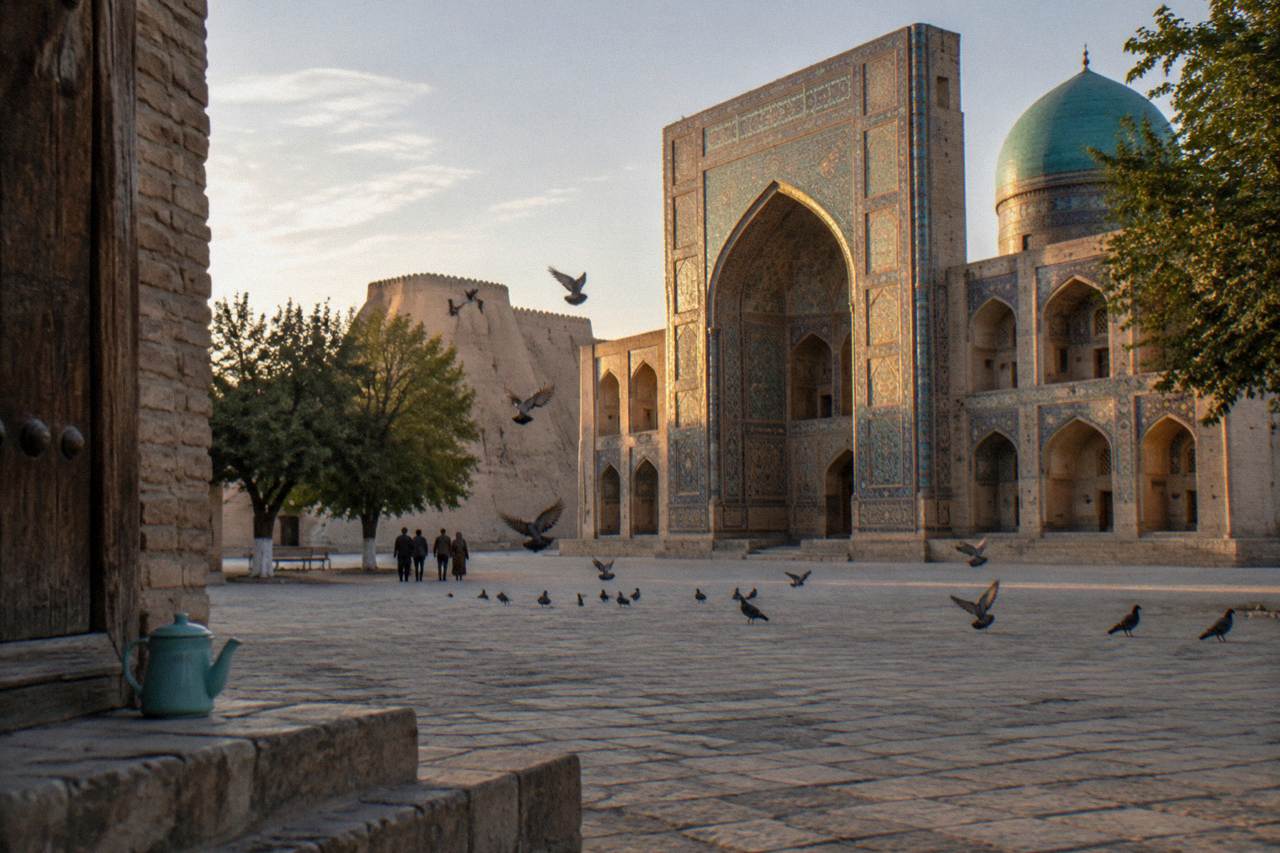
Is Uzbekistan Friendly To Americans?
The short version: yes, in the ways that matter to a traveler. Uzbekistan opened visa-free entry to US citizens on January 1, 2026, so the paperwork barrier that used to add an e-visa step is gone. The US State Department rates the country at Level 1, Exercise Normal Precautions, its lowest advisory tier, as of January 2026. And beyond the official picture, Uzbekistan sits in a region where hospitality toward guests is a point of personal and cultural pride, which visitors feel within hours of arriving. For the finer points of entry, like passport validity and what happens if you overstay, our guide to Uzbekistan visa-free entry for US citizens has the details.
That combination, easier entry, a calm advisory and a genuinely warm reception, is why the question has shifted. A few years ago Americans asked whether Uzbekistan was feasible. Now they ask what the welcome actually looks like, how much English they will hear, and how a week in the country plays out in practice. This article walks through the entry rules, the safety picture, the language reality, the day-to-day practicalities, and the tours that put a US visitor directly inside local life rather than watching it from a bus window.
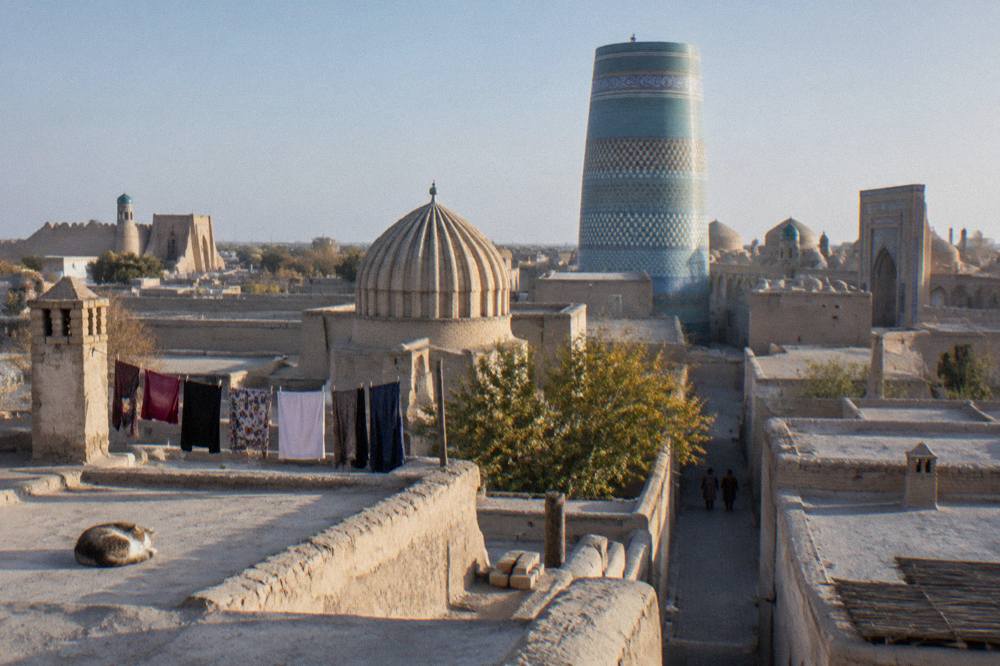
Is Uzbekistan Friendly To Americans?
Yes, by every measure a traveler can check. The government removed visa requirements for US citizens effective January 1, 2026, allowing stays of up to 30 days with just a passport. The State Department's advisory stands at Level 1, Exercise Normal Precautions, as of January 2026. Guest hospitality is a deep cultural value, and Americans consistently report warm, curious receptions in cities and villages alike.
Breaking that down, friendliness toward Americans has two distinct layers in Uzbekistan. The first layer is institutional, and it has never been more open. The presidential decree that granted visa-free entry was signed in November 2025 and took effect at the start of 2026, replacing a system that previously required most US citizens under 55 to buy an e-visa. An American with a valid passport can now simply book a flight and go, which itself signals how deliberately the country has courted US tourism.
The second layer is personal, and it is the one travelers remember. Uzbekistan is a predominantly Muslim country with a strong secular public culture, and the tradition of treating a guest as a gift runs deep. Visitors are frequently invited to tea, offered directions before they ask, and drawn into conversation by people practicing their English. There is no undercurrent of political friction aimed at individual American visitors; the ordinary interaction is curiosity, not politics. That said, "friendly" does not mean "identical to home", and understanding the small differences in dress, greetings and dining manners, which we cover below, is what turns a pleasant trip into a genuinely easy one. Language is another of those small differences, and our guide to finding English in Uzbekistan covers where conversation comes easily, where it stalls, and why an English-speaking guide changes the trip.
For travelers who want that personal layer built into the itinerary rather than left to chance, a few tours on this site are designed around it.
Do Uzbeks Like American Visitors?
Yes, and the reception is usually enthusiasm rather than mere tolerance. Uzbeks generally distinguish clearly between a country's government and its individual travelers, and Americans are seen as welcomed guests. Visitor infrastructure has grown fast in response, from English signage at rail stations to guided tours built specifically for the US and European market. Curiosity about America, its food and its cities is a common conversation opener.
It helps to understand the context. Uzbekistan spent decades as a closed chapter of the Soviet Union, and independent tourism is still a young industry there. Many Uzbeks, especially outside the big cities, have met relatively few Americans, so a US visitor is often genuinely novel rather than routine. That novelty works in the traveler's favor: families invite visitors to share plov, bread bakers pose for photos, and guides often treat a week-long guest as something closer to a friend by the final day.
None of this requires any diplomatic explanation on your part. The advice from experienced travelers is consistent: greet people, learn a word or two of Uzbek or Russian, accept tea when it is offered, and the welcome deepens on its own. The State Department's own guidance for the country is at its calmest tier, Level 1, Exercise Normal Precautions, as of January 2026, and its standard cautions, enrolling in the STEP program and carrying travel insurance, are the same ones it gives for most of Europe.
The 7-Day Uzbekistan with the Local: From Blue Domes to Mountains tour is built around exactly this dynamic. It runs from $1,075 per person, holds a 5.0 rating from 21 reviews, and its whole premise is a local guide showing you the country's famous monuments and then its mountains, the parts a package built around hotels alone never reaches. Meals are listed as included and free cancellation is listed on the operator's page. If the social side of the trip matters as much as the Registan, this is the format that delivers it: Check availability.
How Easy Is Entry For US Citizens Now?
Very easy. Since January 1, 2026, US citizens enter Uzbekistan visa-free for tourism stays of up to 30 days, with no application and no fee, under a presidential decree signed in November 2025. A valid passport is what you need at the border. Hotels register foreign guests automatically, so the main administrative task happens without any effort from you.
The change was announced on the Uzbek government's official tourism portal, and the decree's effect is simple: what used to be an online e-visa process, with a fee and a waiting period, became a passport check. The e-visa portal still exists for nationalities that need one, but Americans are no longer in that queue. You can verify the current rules yourself on the Ministry of Tourism announcement, and the standard advice applies: check the current entry rules before you book, including passport validity guidance, since published recommendations vary and your airline is the final gatekeeper.
Registration is the one administrative detail worth knowing about, and it is almost invisible for tourists. Uzbekistan requires foreigners' places of stay to be registered with local authorities, but licensed hotels and guesthouses do this automatically when you check in. Keep the registration slips your hotels give you, just as you would keep hotel receipts anywhere, and if you ever stay in a private home rather than licensed accommodation, that is the one case where you would need to handle registration yourself. The US Embassy in Tashkent publishes the authoritative explanation.
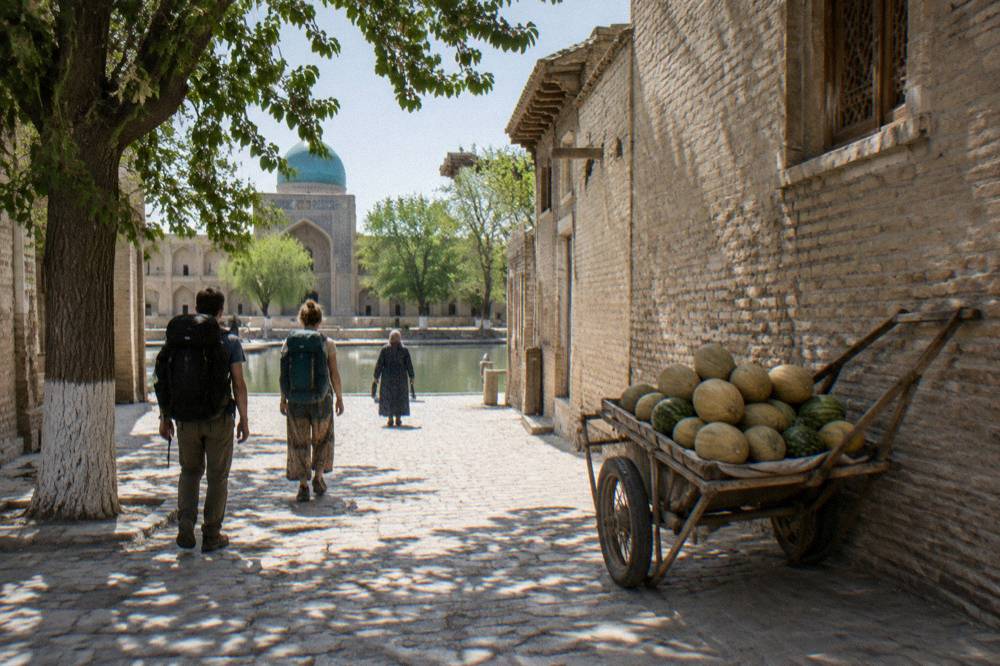
Here is the practical picture for an American planning a trip right now:
| Practicality | What it means for Americans |
|---|---|
| Visa | Not required; up to 30 days visa-free since January 1, 2026 |
| Passport | Valid passport required; check current validity guidance before booking |
| Registration | Automatic at licensed hotels; keep the slips |
| Travel advisory | Level 1, Exercise Normal Precautions, as of January 2026 |
| Border questions | Purpose of visit and return ticket are the usual checks |
| Health requirements | No COVID-related entry requirements since June 2022 |
How Much English Can You Expect?
Enough to travel comfortably, not enough to assume it everywhere. English is widespread among guides, hotel staff in the main tourist cities and younger people, and much thinner among taxi drivers, bazaar vendors and older residents in smaller towns. The visitor infrastructure in Tashkent, Samarkand, Bukhara and Khiva is built for English speakers. Independent travel beyond those cities runs partly on gestures and translation apps.
The honest framing is that you should not expect the English density of Western Europe. But the parts of a trip most travelers actually book, guided tours, trains, hotels, restaurants in the old towns, function well in English. Licensed guides are the great equalizer: hiring one for even a half day in each city removes nearly every language friction, and private licensed guides start from about $70 a day, with half days from about $45, according to current operator pricing.
A few tools and habits close the rest of the gap. Download an offline translation app with Uzbek and Russian before you fly. Learn three words of Russian, which remains the shared second language: hello, thank you and the numbers one to ten for bazaar shopping. Install a data eSIM so the translation app works everywhere; data-only eSIMs for Uzbekistan run from about $9 to $14 for 3 to 5 GB, which covers a typical week. Our companion piece, English levels across Uzbekistan, goes deeper on this question if it is central to your planning.
Is Uzbekistan Safe For American Tourists?
Yes, by the official measure and by traveler experience. The US State Department rates Uzbekistan at Level 1, Exercise Normal Precautions, its lowest tier, as of January 2026. Violent crime against tourists is rare, and the main documented annoyances are taxi overcharging and tourist-trap pricing, not safety threats. Standard city precautions, the ones you would use anywhere, are sufficient. If you want the fuller picture beyond the official ratings, our detailed safety guide for Uzbekistan visitors covers common scams, taxi and transport tips, and advice for solo travelers.
The Level 1 rating matters because it puts Uzbekistan in the same advisory tier the State Department uses for most of Western Europe, and it has held steady. The specific guidance that does exist concerns geography rather than crime: the southern border area with Afghanistan is closed and should not be approached, and that is a border-zone rule rather than a comment on the tourist cities, which sit far to the north and east of it. You can read the advisory directly at travel.state.gov.
On the ground, the risks that actually touch travelers are mundane. Unmetered taxis quote inflated prices to foreigners, so use a ride-hailing app or agree on the fare before getting in. Souvenir shops in the most historic lanes can carry tourist pricing, so compare before buying. If you want the fuller picture, our safety guide for 2026 covers neighborhoods, transport and solo travel in detail.
One cultural note that doubles as safety advice: Uzbekistan is safer than most countries for walking old towns at dusk, because those areas are family territory in the evenings, filled with strolling locals and street food. The presence of families out until late is itself the security.
What Does Hospitality Actually Look Like On The Ground?
Concrete, food-centered and immediate. Expect invitations to tea, offers of help before you ask, and hosts who treat a guest's comfort as a personal responsibility. Restaurants may send complimentary dishes. Bread is offered with both hands. Being invited into a family home, especially on a village tour, is common enough that tour operators build entire experiences around it.
Uzbek hospitality is not a performance put on for tourists; it is a set of manners people apply to any guest, and a foreigner simply qualifies automatically. The classic experience is plov, the rice dish that anchors Uzbek cuisine: it is cooked in enormous kazan pots, served communally and treated as a symbol of the culture itself. Tea is poured three times into the cup and back in a traditional gesture of respect, and refusing it entirely is the one small faux pas worth avoiding.
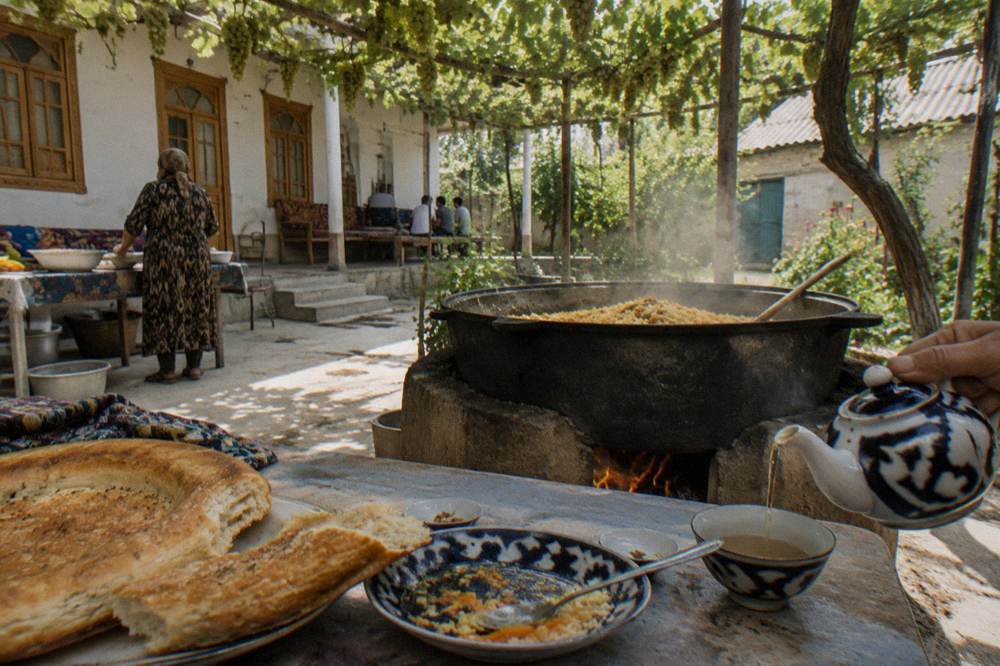
Travelers who want to be a guest rather than a spectator have one clear option on this site: the Samarkand village tour with a plov cooking class and home visit. It runs about 6.5 hours from Samarkand, costs from $59 per person, and holds a 4.8 rating from 52 reviews. The format takes you into a village household, where you cook plov with the family and share the meal you made, which is the single fastest route into the hospitality this article is about.
A few manners go a long way. Take your shoes off when entering a home. Accept what is offered, and do not pocket food at a communal table, as leaving some is polite. Dress modestly at religious sites, covered shoulders and knees, which matters more in mosques than anywhere else. In return, expect to be photographed with your hosts, asked about your family and possibly fed well past the point of comfort. That last part is not an exaggeration: an Uzbek host's worst outcome is a guest leaving hungry.
What Should Americans Know About Everyday Practicalities?
Money, connectivity and season are the three that trip people up. Cash is king outside hotels and malls, at roughly 11,900 som per US dollar in October 2026. Cards work at mid-range and upscale venues in the big cities but not at bazaars or monuments. Spring and fall are the comfortable seasons; summer regularly exceeds 100 degrees Fahrenheit in the lowland cities.
Start with money, because Uzbekistan is a mostly cash economy at the traveler's level. Visa and Mastercard work at hotels, supermarkets and many tourist restaurants in Tashkent, Samarkand, Bukhara and Khiva, but bazaars, small eateries, taxis and monument ticket desks run on som. ATMs in the main cities dispense local currency, with withdrawal limits often around $200 to $400 equivalent and fees of 1 to 3 percent, so carry clean US bills as a backup for exchange offices. The exchange rate hovered near 11,900 som per US dollar in October 2026; check the live rate when you arrive.
| Practicality | Typical range or rule |
|---|---|
| Daily budget, budget tier | About $25 to $50 per person |
| Daily budget, mid-range | About $60 to $120 per person |
| Daily budget, high end | About $180 and up |
| Meal, local cafe | A few dollars for plov or kebabs |
| Tipping, restaurants | 5 to 10 percent if no service charge |
| Tipping, private guide or driver | $10 to $20 per day |
| Monuments | Roughly $5 to $12 per site, prices rise over time |
Season planning matters more than most Americans expect. April, May, September and October are the sweet spots, with mild days across the Silk Road cities. July and August push past 95 degrees Fahrenheit in Bukhara and Khiva, which is workable if you sightsee early and rest at midday, and hotel rates soften. Winter is cold but quiet, with freezing nights in the desert cities. Our month-by-month guide has the full breakdown.
Finally, connectivity is genuinely easy. Data eSIMs install before you land, coverage in the cities is good, and ride-hailing apps end most taxi negotiation problems. Between a working phone, a pocket of som and modest shoes for cobblestones, the everyday friction of Uzbekistan is lower than in many better-known destinations.
Which Tours Put You Inside The Local Welcome?
Tours built around a local host, a home meal or a craft workshop deliver the friendliness this article describes, rather than just passing it on the street. On this site that means the local-guided 7-day tour from $1,075, the village plov cooking class from $59, and the 5-day Silk Road Secrets tour from $856. All three list free cancellation, so the commitment risk is low.
The distinction worth understanding is between tours that show you Uzbekistan and tours that introduce you to it. Monument circuits, however excellent, keep you in the visitor role. Formats built around a local guide, a family kitchen or a craftsman's workshop flip that, and the roster here offers all three. The village plov class in Samarkand is the entry point at $59. The 5-day Silk Road Secrets tour, from $856 per person with meals and pickup listed, threads the classic cities at a pace that leaves room for the unplanned invitations that become trip highlights.
For a full week in the country with a local guide as the organizing principle, the 7-Day Uzbekistan with the Local tour is the strongest fit, and it is the featured tour on this page: blue domes and mountains, meals listed, free cancellation listed, 5.0 from 21 reviews, from $1,075 per person. Pair it with the question of how many days to spend, since a week is the minimum that lets both the cities and the mountain day breathe: how many days is enough. And if you are still weighing whether the country feels approachable for a first-time visitor, that question has effectively been answered by the entry rules, the advisory level and the roster of English-language tours waiting on this site, starting with Uzbekistan Tour Packages.
Common Questions About American Travelers In Uzbekistan
Is Uzbekistan Friendly To Americans?
Yes. US citizens can enter visa-free for up to 30 days since January 1, 2026, the State Department advisory is at Level 1 as of January 2026, and the cultural welcome is warm and genuine. Americans are received as welcomed guests, with curiosity and hospitality rather than any hostility.
Do I need a visa to visit Uzbekistan as a US citizen?
No. A presidential decree effective January 1, 2026 grants US citizens visa-free entry for up to 30 days. You need a valid passport. Check the current entry rules before you book, as guidance on passport validity varies between sources.
Is Uzbekistan safe for American tourists?
Yes. The US State Department rates Uzbekistan at Level 1, Exercise Normal Precautions, its lowest tier, as of January 2026. The practical risks travelers report are taxi overcharging and tourist pricing, not violence. The main restriction is the closed southern border area with Afghanistan.
Can I get by with English in Uzbekistan?
In the tourist cities, largely yes: guides, hotels and many restaurants work in English. In bazaars, taxis and smaller towns, English thins out and a translation app helps. Licensed English-speaking guides start from about $70 for a full day.
Will people invite me into their homes?
Quite possibly, especially if you take a village or food experience. The Samarkand village tour with plov cooking class is built exactly around a home visit, and informal invitations to tea happen regularly to travelers who greet people and show interest.
Is Uzbekistan expensive for Americans?
No. Daily budgets run about $25 to $50 per person on the budget tier and $60 to $120 mid-range, excluding international flights. A full week with a local guide, such as the featured 7-day tour, starts at $1,075 per person.